Introduction
Choosing the right yarn is one of the most foundational—and often overlooked—steps in any beginner crochet journey. For those just starting out, the sheer variety of fibers, weights, textures, and colors available can feel overwhelming. Yet this decision directly impacts your learning curve, project success, and even your long-term enjoyment of the craft. Whether you’re making your first dishcloth or dreaming of launching a handmade business someday, choosing yarn for beginner crochet projects wisely sets the stage for confidence, consistency, and creativity.
In my years working with both independent makers and established crochet brands—from sourcing materials for small-batch collections to advising new entrepreneurs on product development—I’ve seen how the wrong yarn choice can derail enthusiasm before it even takes root. Conversely, the right yarn can transform frustration into flow, turning hesitant stitches into proud finished pieces. This guide isn’t just about labels and fiber content; it’s about understanding why certain yarns work better for beginners and how to make intentional, informed selections that support your growth as a crocheter.
We’ll explore everything from fiber types and yarn weights to practical tips on reading labels, avoiding common pitfalls, and even how this knowledge can open doors if you ever decide to monetize your skills. By the end, you’ll have a clear, actionable framework for choosing yarn for beginner crochet projects that aligns with your goals, budget, and skill level—without guesswork.
What This Topic Means for Crochet & Knitting Businesses
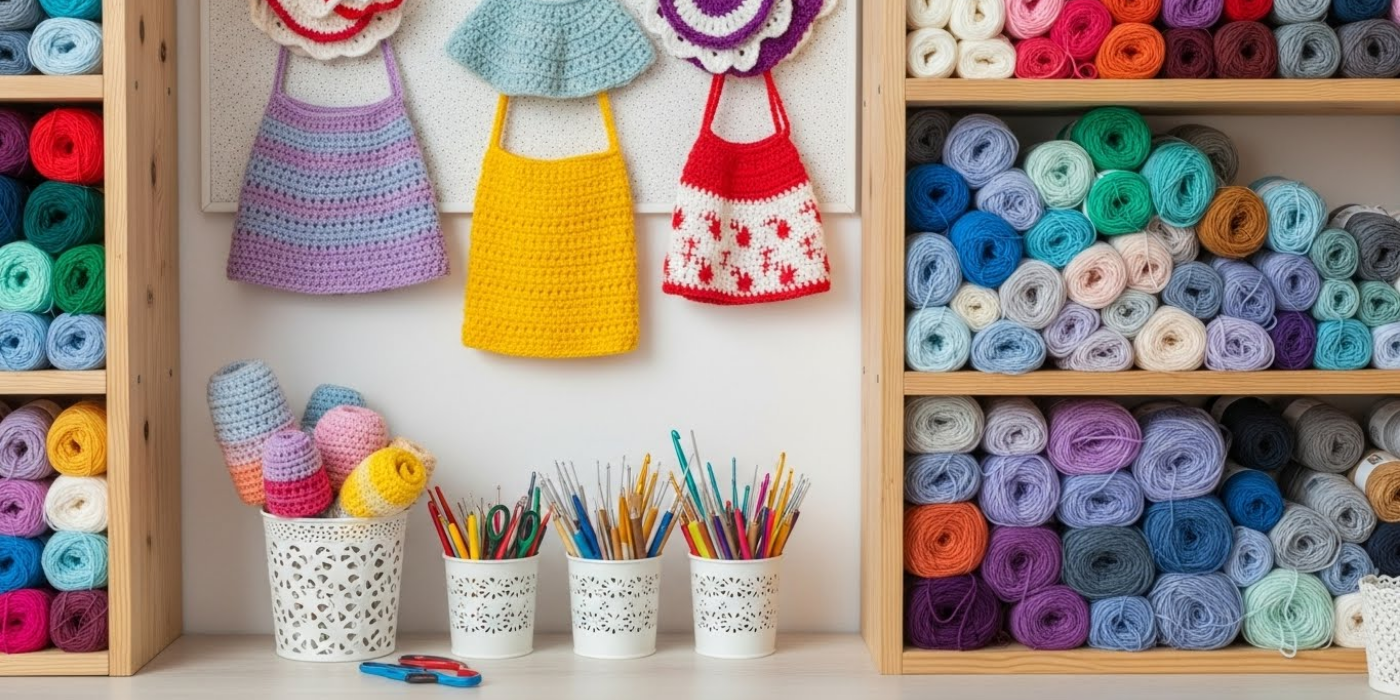
For anyone considering turning their passion into a business—whether selling finished goods, patterns, or kits—understanding yarn selection is not optional; it’s strategic. In many crochet businesses, especially those operating on platforms like Etsy or at local craft fairs, customer satisfaction hinges on consistency. If a buyer follows your pattern but uses a different yarn than recommended, the final product may look nothing like the photo, leading to confusion or negative reviews.
From working with multiple crochet brands over the past decade, I’ve observed that successful handmade entrepreneurs invest time upfront in curating yarn recommendations. They don’t just say “use worsted weight”; they specify exact brands, dye lots (when possible), and even alternatives for different budgets or ethical preferences (e.g., vegan vs. wool). This builds trust and reduces support inquiries.
Moreover, when you understand yarn behavior—how cotton holds its shape versus how acrylic drapes—you can design products that perform reliably across different conditions. A market vendor selling summer market bags needs yarn that won’t stretch out under the weight of produce; a baby blanket creator must prioritize softness and washability. These decisions begin with choosing yarn for beginner crochet projects that teach these principles early, laying the groundwork for professional-level discernment later.
Why This Strategy Works Especially Well in the Crochet Community
The crochet community thrives on accessibility and inclusivity. Unlike some crafts that require expensive tools or specialized training, crochet can be learned with a single hook and a ball of yarn. But this low barrier to entry also means beginners are more likely to start with whatever yarn is cheapest or most visible at the big-box store—often leading to tangled frustrations.
Yet the community has organically developed a culture of mentorship. Experienced designers often recommend specific beginner-friendly yarns in their tutorials, not out of brand loyalty, but because they know how much smoother the learning process becomes with the right materials. Smooth, medium-weight acrylics like Red Heart Super Saver or Lion Brand Basic Stitch Anti-Pilling are frequently cited not because they’re luxurious, but because they’re forgiving: they don’t split easily, show stitch definition clearly, and are affordable enough to practice with.
This shared wisdom creates a feedback loop: when beginners succeed early, they stay engaged, join online groups, ask questions, and eventually become mentors themselves. By focusing on choosing yarn for beginner crochet projects that support this cycle of success, we strengthen the entire ecosystem. It’s not just about making a scarf—it’s about building confidence that keeps people stitching for years.
Materials, Tools, or Resources Needed
Before you even pick up a skein, gather these essential tools to make informed yarn choices:
- A US Size H/5mm or I/5.5mm crochet hook: These are ideal for medium-weight (worsted) yarns, the most beginner-friendly category.
- A yarn label decoder guide: Many craft stores offer free pamphlets explaining symbols; keep one in your project bag.
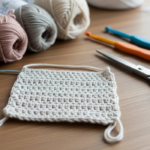
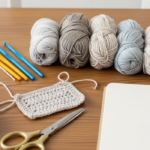
- A small swatch notebook: Record yarn brand, color, hook size, and your impressions after crocheting a 4″x4″ square.
- Access to a local yarn shop (LYS) or trusted online retailer: Staff at LYSs can let you touch and compare yarns—a huge advantage over online-only shopping.
- A digital scale (optional but helpful): Useful for tracking how much yarn you actually use per project, aiding future planning.
Don’t underestimate the value of tactile experience. No online description can fully convey how a yarn feels in your hands or how it glides through your fingers. If possible, buy small quantities or sample packs before committing to large skeins.
Yarn Types and Fiber Considerations
Not all yarns are created equal—especially for beginners. Fiber content dramatically affects drape, elasticity, stitch clarity, and care. Here’s a breakdown of the most common options:
Acrylic
- Pros: Affordable, widely available, machine-washable, colorfast, and consistent in texture.
- Cons: Can feel synthetic or “plasticky”; doesn’t breathe well; may pill over time.
- Best for: Practice swatches, amigurumi, blankets, and any project where durability and easy care matter.
- Beginner tip: Look for “anti-pilling” versions—they hold up better with frequent handling.
Cotton
- Pros: Soft, breathable, absorbent, and shows stitch definition beautifully.
- Cons: Heavy, lacks elasticity (can cause hand fatigue), and stretches when wet.
- Best for: Dishcloths, summer garments, baby items.
- Beginner caution: Avoid 100% mercerized cotton for first projects—it’s slippery and hard to control.
Wool (and Wool Blends)
- Pros: Elastic, warm, resilient, and forgiving of uneven tension.
- Cons: Can be itchy, requires gentle washing, and may felt if mishandled.
- Best for: Hats, scarves, winter accessories.
- Beginner note: Superwash wool is treated to be machine-washable—ideal for learners.
Bamboo, Linen, and Other Plant Fibers
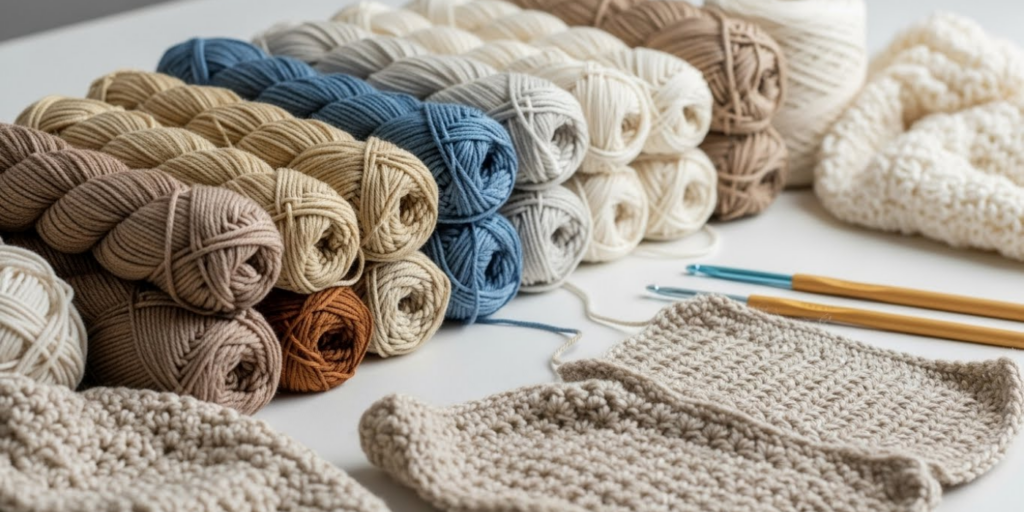
- Pros: Silky drape, eco-friendly, cool to wear.
- Cons: Expensive, slippery, and often lack memory (stitches can sag).
- Best for: Advanced beginners tackling lightweight shawls or market bags.
Novelty Yarns (Eyelash, Bouclé, Ribbon)
- Avoid as a beginner. These obscure stitch patterns and are frustrating to work with when you’re still learning basic techniques.
Experienced designers often recommend starting with a smooth, solid-color acrylic or cotton blend. Variegated or textured yarns hide mistakes—but they also hide your progress. You need to see your stitches to learn from them.
Skill Level Breakdown
Beginner (0–3 months)
Focus on smooth, medium-weight (Category 4) yarns in solid or tonal colors. Your goal is stitch recognition and tension control. Recommended fibers: acrylic, cotton/acrylic blends, superwash wool. Avoid anything fuzzy, slippery, or lace-weight.
Intermediate (3–12 months)
Experiment with different weights (light/DK or bulky) and natural fibers like pure cotton or wool. Try simple colorwork with self-striping yarns. Begin considering drape and garment suitability.
Advanced (1+ years)
Confidently select yarn based on project intent: elasticity for socks, structure for bags, sheen for evening wear. Understand substitutions using wraps per inch (WPI) and gauge swatching.
For true beginners, choosing yarn for beginner crochet projects should prioritize learning clarity over aesthetics. Save the hand-dyed merino for your tenth project—not your first.
Step-by-Step Guide to Choosing Yarn for Beginner Crochet Projects
Follow this detailed process every time you start a new beginner project:
Step 1: Identify Your Project Type
Are you making a dishcloth, scarf, blanket, or toy? Each has different requirements:
- Dishcloths: Need absorbency → choose cotton.
- Blankets: Need warmth and softness → choose acrylic or wool blend.
- Toys (amigurumi): Need tight stitches and durability → choose smooth worsted acrylic.
Step 2: Check the Pattern’s Yarn Requirements
If using a pattern, note:
- Yarn weight category (e.g., “Medium/Worsted/Category 4”)
- Recommended yardage
- Fiber suggestions
- Gauge (stitches per inch)
Never assume “any worsted yarn will do.” Two worsted yarns can behave very differently.
Step 3: Read the Yarn Label Carefully
Look for:
- Standard Yarn Weight Symbol (a number 0–7 inside a skein icon)
- Fiber content percentage
- Care instructions (machine washable?)
- Dye lot number (buy all skeins from the same lot to avoid color shifts)
- Recommended hook size
Step 4: Perform a “Feel Test”
If shopping in-store:
- Is the yarn smooth or textured?
- Does it feel stiff or pliable?
- Does it split when you gently pull a strand?
At home, wind a small center-pull ball and crochet a few rows. Does it glide easily? Do stitches look even?
Step 5: Swatch and Measure Gauge
Crochet a 4″x4″ square using the recommended hook.
- Count stitches and rows per inch.
- Wash and block the swatch if the final item will be washed.
- Compare to pattern gauge. Adjust hook size if needed.
Skipping this step is the #1 reason beginner projects turn out too small or too large.
Step 6: Consider Budget and Quantity
Calculate total yardage needed. Add 10–15% extra for mistakes. Compare price per yard, not per skein—some “cheap” yarns have less yardage.
Step 7: Make the Final Selection
Choose a yarn that meets all criteria: appropriate weight, smooth texture, correct fiber, good stitch definition, and within budget. When in doubt, go with a trusted beginner brand like:
- Lion Brand Basic Stitch Anti-Pilling
- Red Heart Super Saver (Smooth version)
- Caron Simply Soft (for drape)
- WeCrochet’s Brava Worsted
This systematic approach removes guesswork and builds foundational skills that transfer to every future project.
Common Mistakes and How to Avoid Them
Even seasoned crafters occasionally slip up—but beginners are especially vulnerable to these yarn-related errors:
Mistake 1: Choosing Yarn Based Only on Color
That vibrant variegated skein might look stunning, but if it’s a fuzzy mohair blend, you won’t see your stitches.
Fix: Buy solid or semi-solid colors for learning. Save multicolor yarns for when you can confidently identify stitch patterns.
Mistake 2: Ignoring Yarn Weight
Using fingering weight yarn with a pattern written for worsted will result in a tiny, dense object.
Fix: Always match the yarn weight category (0–7) on the label to the pattern’s requirement.
Mistake 3: Skipping the Swatch
“I’m just making a scarf—I don’t need gauge!” But without swatching, your scarf could end up 3 inches wide or 12 feet long.
Fix: Treat every project as a learning opportunity. Swatching takes 15 minutes and saves hours of frogging (ripping out).
Mistake 4: Buying Too Little Yarn
Running out mid-project is demoralizing—and dye lots may be discontinued.
Fix: Buy one extra skein, or calculate yardage precisely using a kitchen scale and the label’s meterage.
Mistake 5: Using Old or Poor-Quality Yarn
Stale yarn can become brittle; bargain-bin yarn may have inconsistent thickness.
Fix: Stick to reputable brands for beginner projects. Discount stores are fine for advanced practice, not foundational learning.
By avoiding these pitfalls, you protect your motivation—the most valuable resource in any creative journey.
Advanced Tips and Professional Insights
Once you’ve mastered the basics, these pro strategies elevate your yarn selection:
Understand Ply vs. Weight
Ply (number of strands twisted together) affects durability, not weight. A 4-ply worsted isn’t “heavier” than a 1-ply worsted—they’re the same weight category but different constructions. Beginners should prioritize weight over ply.
Learn Wraps Per Inch (WPI)
No label? Wrap yarn around a pencil. Count wraps in 1 inch:
- 9–11 WPI = Worsted (ideal for beginners)
- 12–14 WPI = DK/Light
- 7–8 WPI = Bulky
This lets you substitute yarns confidently.
Consider Twist Direction
Most yarns are Z-twist (spun clockwise). Hooks naturally add S-twist (counter-clockwise), which can cause bias (slanting fabric). High-twist yarns resist this better—look for “balanced twist” on premium labels.
Build a Yarn Library
Keep small samples of every yarn you use, labeled with notes: “Great for amigurumi,” “Too stiff for wearables,” etc. Over time, this becomes an invaluable reference.
From working with multiple crochet brands, I’ve seen that designers who document their yarn experiences create more reliable patterns and build stronger customer loyalty. Your personal library is your secret weapon.
Real-World or Hypothetical Examples
Example 1: The Frustrated First-Timer
Maria bought a $2.99 “soft” yarn from a discount store to make her first granny square blanket. The yarn was loosely spun, split constantly, and shed fibers everywhere. After three failed squares, she quit.
What went wrong? She prioritized price over performance. A $4.99 skein of Red Heart Super Saver would have lasted longer, behaved better, and cost less per hour of enjoyment.
Example 2: The Strategic Starter
Jamal wanted to sell baby hats at a local market. He tested five worsted-weight yarns: two acrylics, two cottons, and a bamboo blend. He chose a machine-washable acrylic because it was soft, held its shape after washing, and cost $0.80 per hat in materials. His first batch sold out.
Key insight: He treated yarn selection as part of his product development—not an afterthought.
These stories illustrate why choosing yarn for beginner crochet projects isn’t just about the craft—it’s about setting yourself up for success, whether your goal is personal joy or entrepreneurial growth.
Customization and Adaptation Ideas
Once you’re comfortable with basics, personalize your yarn choices:
- Color Psychology: Use calming blues for stress-relief projects, energizing reds for gifts.
- Eco-Conscious Swaps: Replace acrylic with recycled cotton or Tencel™ for sustainable practice.
- Texture Play: After mastering smooth yarns, try a subtle tweed or heathered finish for visual interest without complexity.
- Budget Tiering: Keep three go-to yarns: one ultra-budget (for swatches), one mid-range (for gifts), one premium (for special commissions).
Remember: customization comes after competence. Master the fundamentals first, then experiment.
Care, Maintenance, or Best Practices
Proper yarn care extends your project’s life and informs future choices:
- Always check the care label before gifting or selling. “Hand wash only” limits usability.
- Wind hanks into balls before storing to prevent tangles.
- Store yarn in breathable cotton bags, not plastic—moisture causes mildew.
- Rotate stock: Don’t keep yarn for years; fibers degrade over time.
- Wash test swatches to see how yarn behaves post-laundering (shrinkage, pilling, color bleed).
For beginners, machine-washable yarns reduce anxiety—knowing a mistake can be fixed with a quick spin builds confidence.
Monetization Opportunities
Understanding yarn selection opens several income streams:
- Curated Kits: Bundle beginner-friendly yarn, hooks, and printed patterns. Include a yarn guide as added value.
- Educational Content: Create YouTube tutorials or blog posts on “Yarn 101 for Crocheters”—monetize via AdSense or affiliate links (disclose transparently).
- Pattern Design: Specify exact yarns in your patterns, linking to retailers (with permission). Designers often earn small commissions.
- Workshops: Teach local classes on yarn selection—charge a fee and sell recommended supplies.
- Consulting: Advise new handmade sellers on material sourcing and cost calculations.
Crucially, never push expensive yarns just for commission. Build trust by recommending what’s truly best for the learner’s stage. Ethical monetization sustains long-term success.
Frequently Asked Questions (FAQ)
What is the best yarn weight for beginner crochet projects?
Worsted weight (Category 4) is ideal. It’s thick enough to see stitches clearly but not so bulky that it’s unwieldy. It works with common hook sizes (H/5mm–I/5.5mm) and is widely available.
Can I use any yarn for my first crochet project?
Technically yes, but not all yarns support learning. Avoid novelty, lace-weight, or highly textured yarns initially. Stick to smooth, medium-weight fibers like acrylic or cotton blends.
Why does my yarn keep splitting while I crochet?
Splitting happens with loosely spun or low-quality yarns. Use a blunt-tipped hook (like a Boye) and insert it under the full strand, not between plies. Switch to a higher-quality worsted yarn if the problem persists.
How do I know how much yarn I need for a beginner project?
Check the pattern’s yardage requirement. If designing your own, make a swatch, weigh it, and calculate based on total project area. Always buy 10–15% extra.
Is cotton or acrylic better for beginners?
Both work, but acrylic is more forgiving: it’s lighter, more elastic, and cheaper. Cotton is great for dishcloths but can cause hand fatigue due to its stiffness.
What should I look for on a yarn label when choosing yarn for beginner crochet projects?
Focus on: yarn weight symbol (Category 4), fiber content (smooth acrylic or cotton blend), care instructions (machine washable), and recommended hook size. Avoid vague terms like “craft yarn”—opt for standardized labeling.
Conclusion
Choosing yarn for beginner crochet projects is far more than a preliminary step—it’s the cornerstone of a joyful, successful crafting experience. By selecting smooth, medium-weight, machine-washable yarns in solid colors, you give yourself the clearest path to recognizing stitches, maintaining even tension, and completing projects you’ll be proud to show off.
This mindful approach not only accelerates your learning but also builds a foundation of material literacy that serves you whether you stick to hobbyist stitching or grow into a handmade business owner. Remember: every expert crocheter once struggled with their first chain. What set them apart wasn’t talent—it was using the right yarn at the right time.
So before you grab the prettiest skein off the shelf, pause. Ask yourself: Will this yarn help me learn, or hinder me? Choose wisely, swatch faithfully, and stitch confidently. Your future self—and your finished projects—will thank you.

Emily Parker is a passionate crochet artist and creative storyteller. With years of experience turning simple yarn into beautiful, unique pieces, she loves sharing tips, tutorials, and inspiration with fellow crafters. Emily believes that crochet is more than a hobby it’s a way to express creativity, spread joy, and connect with people through handmade art.