Introduction
For knitters and crocheters—whether hobbyists or business owners—the choice of yarn isn’t just about color or price. It’s a foundational decision that directly shapes the final product’s drape, texture, and durability. These three qualities determine whether a shawl flows gracefully over the shoulders, a sweater holds its shape after repeated wear, or a baby blanket remains soft and safe through countless washes. Understanding how yarn fiber affects drape, texture, and durability is not merely a technical detail; it’s a strategic advantage in crafting high-quality, marketable handmade goods.
In today’s saturated handmade marketplace, consumers increasingly seek transparency, sustainability, and performance. They want to know why a $95 hand-knit cardigan is worth the investment—and your ability to articulate how merino wool provides superior drape while maintaining resilience can be the difference between a sale and a scroll-past. From working with multiple crochet brands and advising indie makers for over a decade, I’ve seen firsthand how mastering fiber knowledge elevates both craftsmanship and customer trust.
This article dives deep into the science and artistry behind yarn fibers, offering actionable insights for creators at every level. Whether you’re designing your first Etsy listing or refining a wholesale collection, you’ll learn how to select fibers that align with your project goals—and communicate their value effectively to your audience.
What This Topic Means for Crochet & Knitting Businesses
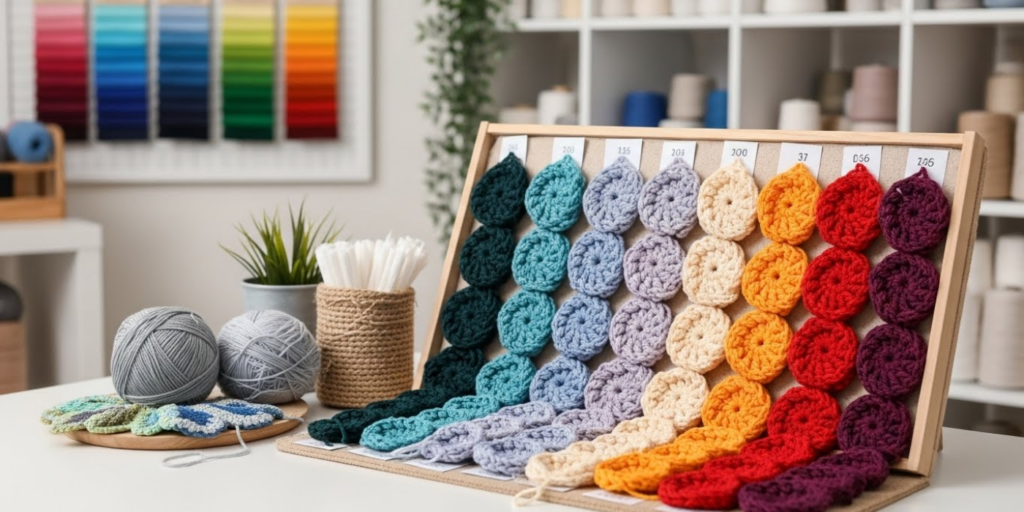
For handmade businesses, yarn selection is a silent salesperson. It influences product longevity, customer satisfaction, return rates, and brand reputation. A scarf made from 100% acrylic may look identical to one made from alpaca in a photo, but the wearer will immediately feel the difference in weight, warmth, and movement. If your product description fails to explain why you chose bamboo over cotton for a summer top—or worse, if you unknowingly choose a fiber that pills after two wears—you risk negative reviews and lost credibility.
Experienced designers often recommend building a “fiber philosophy” into your brand identity. For example, a business focused on eco-conscious baby wear might exclusively use GOTS-certified organic cotton or OEKO-TEX® certified Tencel™, emphasizing safety and breathability. Another brand targeting luxury accessory buyers might highlight the ethically sourced cashmere or silk blends that give their cowls an unmatched fluid drape.
Moreover, understanding how yarn fiber affects drape, texture, and durability allows you to price accurately. Premium fibers like yak down or linen-cotton blends cost more, but they justify higher price points when paired with clear storytelling about performance benefits. In many crochet businesses, this knowledge becomes the backbone of product education—turning casual browsers into informed buyers who appreciate the craft behind the creation.
Why This Strategy Works Especially Well in the Crochet Community
The crochet community thrives on tactile experiences and visual storytelling. Unlike mass-produced garments, handmade items invite close inspection: the subtle sheen of silk, the rustic nubbiness of tweed, the cloud-like bounce of superwash merino. Crocheters, in particular, rely heavily on stitch definition and fabric behavior—both of which are dictated by fiber content.
Crochet stitches tend to create denser fabrics than knitting, which means fiber choice becomes even more critical. A stiff cotton yarn might produce a beautiful doily but a rigid, uncomfortable sweater. Conversely, a drapey bamboo blend could yield a stunning lace shawl but lack the structure needed for a market tote bag.
From working with multiple crochet brands, I’ve observed that customers respond powerfully to transparency. When a maker explains, “I chose this hemp-cotton blend because it softens with each wash while maintaining its shape,” it builds trust. The crochet community values authenticity, sustainability, and functionality—qualities that are all rooted in fiber decisions.
Additionally, social media platforms like Instagram and Pinterest reward visually rich, educational content. Posts comparing swatches of the same stitch pattern in different fibers—showing how one drapes elegantly while another stands stiffly—perform exceptionally well. This strategy not only demonstrates expertise but also subtly educates potential buyers, reducing post-purchase confusion and returns.
Materials, Tools, or Resources Needed
To effectively evaluate how yarn fiber affects drape, texture, and durability, you don’t need expensive lab equipment—but you do need a systematic approach. Here’s what I recommend:
- Swatch Journal: A physical or digital notebook to record fiber content, gauge, stitch pattern, and observations on drape (e.g., “flows like water” vs. “holds sharp folds”), texture (“silky,” “crisp,” “fuzzy”), and durability notes after washing.
- Yarn Labels: Always keep the original ball band or note the fiber composition, yardage, weight, and care instructions. Many indie dyers now include detailed fiber sourcing info—use it.
- Washing Supplies: Mild detergent (like Eucalan or Soak), mesh laundry bags, and access to both hand-wash and machine-wash settings (if applicable) to test real-world care.
- Measuring Tools: A flexible tape measure and ruler to track gauge changes before and after washing.
- Reference Swatches: Create a permanent swatch library using standardized stitch patterns (e.g., single crochet, double crochet, stockinette) across common fibers: wool, cotton, acrylic, bamboo, linen, silk, and blends.
- Lighting: Natural daylight or full-spectrum lighting to accurately assess luster and color depth, which influence perceived texture.
Many successful makers dedicate a small corner of their studio to fiber testing. It’s not glamorous, but it prevents costly mistakes—like discovering too late that a “luxury” acrylic blend sheds microplastics in the wash or that a linen yarn becomes uncomfortably scratchy against the skin.
Yarn Types and Fiber Considerations
Not all fibers behave the same way, and understanding their inherent properties is key to predicting drape, texture, and durability.
Animal Fibers
- Wool (Merino, Shetland, Corriedale): Naturally elastic, warm, and moisture-wicking. Merino offers excellent drape when finely spun; coarser wools provide more structure. Felts easily if agitated—great for durability in outerwear, problematic for delicate items.
- Alpaca: Softer than wool, with a silky drape and luxurious halo. Less elastic, so garments may stretch over time unless blended with nylon or wool.
- Cashmere & Yak: Ultra-soft with fluid drape, but low tensile strength. Best for lightweight wraps or accessories, not high-friction items like socks.
- Silk: High tensile strength, brilliant luster, and smooth texture. Creates elegant drape but can be slippery to work with. Often blended to add sheen and strength.
Plant Fibers
- Cotton: Breathable and absorbent, but lacks elasticity. Results in crisp, structured fabric with minimal drape unless mercerized (which adds sheen and slight softness). Can become heavy when wet.
- Linen: Stronger when wet, highly durable, and gets softer with age. Initial stiffness gives way to a relaxed, flowing drape—ideal for summer garments. Wrinkles easily, which some find charming.
- Bamboo (Viscose/Rayon): Extremely soft, with a silky drape and beautiful sheen. However, it’s weaker when wet and prone to stretching. Best blended with cotton or synthetic fibers for stability.
- Hemp: Similar to linen but even more durable. Starts stiff but softens beautifully. Eco-friendly and antimicrobial.
Synthetic & Regenerated Fibers
- Acrylic: Affordable, colorfast, and machine-washable. Modern premium acrylics mimic wool’s warmth but lack breathability. Drape varies widely by brand—some are stiff, others surprisingly fluid.
- Nylon: Added to socks or lace for strength and elasticity. Minimal drape on its own but enhances durability in blends.
- Tencel™ (Lyocell): Made from sustainably sourced wood pulp. Combines the softness of silk, the breathability of cotton, and excellent drape. Resists pilling and holds dye beautifully.
- Polyester: Often used in novelty yarns. Can feel plasticky but offers wrinkle resistance and color retention.
Blends are where magic happens. A 70% merino/30% nylon sock yarn balances softness, elasticity, and wear resistance. A 50% cotton/50% bamboo blend offers structure with fluidity. Always consider the dominant fiber—it usually dictates the primary behavior.
Skill Level Breakdown
Beginner
New crocheters and knitters should start with forgiving, affordable fibers like medium-weight acrylic or cotton. These offer clear stitch definition, minimal splitting, and easy care. Focus on learning how basic fibers behave: cotton = crisp, acrylic = consistent, wool = bouncy. Avoid slippery fibers like silk or fine bamboo until you’ve mastered tension control.
Intermediate
At this stage, experiment with blends and natural fibers. Try a linen-cotton blend for a summer top, noting how it softens after washing. Swatch the same pattern in wool vs. acrylic to compare drape. Begin reading yarn labels critically—look beyond “soft” claims and check fiber percentages.
Advanced
Seasoned makers can manipulate fiber properties intentionally. Use a lofty alpaca for a cocooning shawl that drapes like liquid, or choose a tightly spun linen for a structured market bag. Understand how twist direction, ply count, and spinning method (worsted vs. woolen) interact with fiber type to affect final fabric. Advanced users also consider ethical sourcing, dye methods, and environmental impact as part of their fiber selection.
Step-by-Step Guide: Evaluating Yarn Fiber for Your Project
Follow this detailed process to ensure your fiber choice aligns with your desired drape, texture, and durability.
Step 1: Define Your Project’s Primary Function
Ask: Will this item be worn close to skin (prioritize softness)? Used daily (prioritize durability)? Displayed decoratively (prioritize texture and drape)? A baby blanket needs hypoallergenic, washable fibers; a wall hanging can use rougher, textural art yarns.
Step 2: Identify Desired Fabric Qualities
- Drape: Do you want fluid movement (shawl) or body (sweater)?
- Texture: Smooth for stitch clarity? Fuzzy for coziness? Nubby for visual interest?
- Durability: High abrasion resistance (socks)? Shape retention (cardigan)? Washability (dishcloths)?
Step 3: Research Fiber Options
Cross-reference your needs with fiber properties. For a drapey, breathable summer top:
- ✅ Bamboo, Tencel™, linen, silk
- ❌ Wool, acrylic (unless specifically designed for summer)
For a durable, structured market tote:
- ✅ Cotton, hemp, linen, or cotton-polyester blend
- ❌ Alpaca, cashmere, fine merino
Step 4: Swatch Rigorously
Make a swatch at least 6″x6″ using your intended stitch pattern. Measure:
- Gauge (stitches per inch)
- Weight (grams per square inch)
- Drape: Hold it vertically—does it fold softly or stand stiffly?
- Texture: Rub between fingers—smooth, rough, fuzzy?
Step 5: Wash and Dry as Intended
Follow care instructions. Does it shrink? Stretch? Pill? Become softer or rougher? Re-measure gauge and observe changes in drape.
Step 6: Document and Decide
Record all observations. If the swatch meets your criteria, proceed. If not, adjust fiber or blend.
This method prevents costly mistakes and builds a personal knowledge base that informs future designs.
Common Mistakes and How to Avoid Them
Even experienced makers fall into these traps:
Mistake 1: Assuming “Soft” Means “Good for Skin”
Some ultra-soft acrylics contain chemical softeners that wash out, leaving scratchy fibers. Others may trigger sensitivities. Fix: Test against your inner arm for 10 minutes. Choose OEKO-TEX® certified yarns for baby or sensitive-skin items.
Mistake 2: Ignoring Fiber Behavior When Wet
Bamboo and rayon lose up to 50% strength when wet. A beautiful drapey top may stretch irreversibly during washing. Fix: Always blend with cotton or synthetic fibers for wearable items, or hand-wash gently in cold water.
Mistake 3: Overlooking Ply and Twist
A loosely spun single-ply merino may felt or pill easily, while a tightly plied version of the same fiber lasts years. Fix: Examine the yarn closely. Tight plies = durability; loose singles = halo and drape but less resilience.
Mistake 4: Choosing Fiber Based Only on Looks
That glittery novelty yarn may photograph beautifully but shed everywhere and lack structure. Fix: Prioritize function first. Save decorative fibers for accents, not entire garments.
Mistake 5: Not Testing Washability
Hand-dyed yarns may bleed, especially reds and dark blues. Fix: Always swatch and wash before committing to a large project. Use color catchers if needed.
Advanced Tips and Professional Insights
From years of consulting with handmade brands, here are nuanced strategies:
- Layer Fibers for Complexity: Combine a drapey Tencel™ warp with a textured wool weft in woven projects, or alternate rows of cotton and silk in crochet for dimensional fabric.
- Use Fiber to Control Gauge: Linen’s lack of memory means it won’t bounce back—perfect for openwork that stays open. Wool’s elasticity fills gaps, ideal for dense winter wear.
- Communicate Fiber Benefits in Marketing: Instead of “100% cotton,” say “GOTS-certified organic cotton for breathable, chemical-free comfort that softens with every wash.”
- Consider Regional Climate: In humid climates, avoid non-breathable synthetics. In dry, cold areas, prioritize moisture-wicking wool over cotton.
- Test for Pilling Early: Rub swatches vigorously with a piece of Velcro. Fibers like alpaca and low-twist merino pill faster—acceptable for a shawl, not for a sweater cuff.
Experienced designers often recommend keeping a “failure swatch” archive—pieces that didn’t work—to avoid repeating mistakes. One designer I worked with discovered her favorite indie-dyed merino stretched 20% after blocking; she now always blends it with 20% nylon for garments.
Real-World or Hypothetical Examples
Example 1: The Luxury Shawl Brand
A small business specializing in wedding shawls switched from 100% merino to a 70% silk/30% merino blend. The silk added luminous drape and a cool hand-feel, justifying a 40% price increase. Customer reviews highlighted “how it moves like water”—directly tied to fiber choice.
Example 2: The Sustainable Kids’ Line
An Etsy shop selling toddler sweaters moved from conventional acrylic to GOTS-certified organic cotton. Though cost increased by 25%, return rates dropped to zero (no more complaints about itchiness), and repeat customers grew by 60%.
Example 3: The Market Tote Disaster
A maker used a beautiful hand-dyed bamboo yarn for sturdy market bags. After two uses, handles stretched and bottoms sagged. Lesson: bamboo alone lacks tensile strength. Solution: switch to a 60% cotton/40% recycled polyester core-spun yarn for structure + softness.
These cases prove that fiber isn’t just material—it’s a strategic business decision.
Customization and Adaptation Ideas
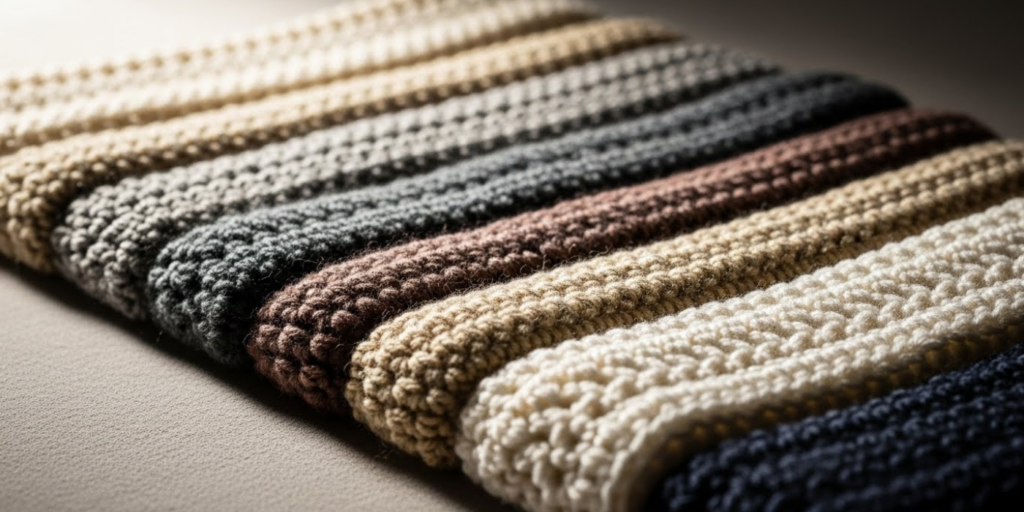
Once you understand fiber behavior, you can adapt patterns intelligently:
- For More Drape: Substitute wool with bamboo, silk, or Tencel™ in lace patterns. Use a larger hook to enhance flow.
- For More Structure: Replace acrylic with cotton or linen in amigurumi or bags. Add a round of tighter stitches at stress points.
- For Enhanced Durability: Reinforce high-wear areas (heels, cuffs) with a nylon thread held alongside your main yarn.
- For Texture Play: Combine a smooth fiber (merino) with a bouclé or tweed in alternating rows for visual and tactile contrast.
You can also customize care instructions based on fiber: “Hand-wash cold, lay flat to dry” for silk blends vs. “Machine-wash gentle” for superwash wool.
Care, Maintenance, or Best Practices
Proper care preserves the qualities you worked hard to achieve:
- Wool & Alpaca: Hand-wash in cold water with wool-safe detergent. Never wring—roll in towel to remove water. Lay flat to dry to prevent stretching.
- Cotton & Linen: Can usually be machine-washed, but expect 5–10% shrinkage. Iron while damp for crispness.
- Bamboo & Rayon: Hand-wash only. Support the fabric when wet to avoid stretching. Dry flat.
- Acrylic: Machine-washable, but avoid high heat—it can melt fibers or cause pilling. Use a gentle cycle.
- Silk: Hand-wash with pH-neutral soap. Never soak. Dry away from direct sunlight to preserve luster.
Always attach a care tag to finished goods. It shows professionalism and reduces customer service inquiries.
Monetization Opportunities
Understanding how yarn fiber affects drape, texture, and durability opens several revenue streams:
- Educational Content: Sell digital guides like “Fiber Selection Masterclass” or “Swatch Journal Templates.”
- Curated Kits: Offer project kits with pre-selected yarns matched to specific drape/durability needs (e.g., “Summer Drape Kit: Tencel™ + Linen Blend”).
- Consulting: Advise other makers on fiber choices for their product lines.
- Premium Pricing: Justify higher prices with detailed fiber storytelling in product descriptions.
- Workshops: Host live or recorded sessions on fiber testing and swatching techniques.
One successful brand I advised increased average order value by 35% simply by adding a “Why This Fiber?” section to each product page, explaining performance benefits in plain language.
Frequently Asked Questions (FAQ)
1. What yarn has the best drape for shawls?
Natural fibers like silk, bamboo, Tencel™, and fine merino wool offer the best drape. Blends such as silk/wool or bamboo/cotton combine fluidity with manageability.
2. Which fiber is most durable for everyday wear?
Cotton, linen, and tightly spun wool (especially with nylon reinforcement) are highly durable. For socks, look for 75% wool/25% nylon blends.
3. Does acrylic yarn have good drape?
Standard acrylic tends to be stiff, but premium drapy acrylics (like Berroco Vintage or Lion Brand Comfy Cotton Blend) offer improved flow. Still, they rarely match natural fibers in fluidity.
4. How can I make cotton yarn less stiff?
Wash and dry your cotton project multiple times—it softens significantly with use. Alternatively, choose mercerized cotton or blend it with bamboo.
5. Why does my alpaca garment stretch out of shape?
Alpaca lacks natural elasticity. Always blend it with wool or nylon for garments, or use it only for non-stretch items like shawls or blankets.
6. What’s the most eco-friendly fiber with good drape?
Tencel™ (Lyocell) is made from sustainably harvested wood pulp in a closed-loop process. It offers excellent drape, softness, and biodegradability.
Conclusion
Mastering how yarn fiber affects drape, texture, and durability is more than a technical skill—it’s a cornerstone of professional craftsmanship and smart business strategy. Whether you’re creating heirloom blankets, selling on Etsy, or designing for a boutique label, your fiber choices speak volumes about your brand’s values, quality, and attention to detail.
By swatching intentionally, testing rigorously, and communicating transparently, you transform raw materials into meaningful products that delight customers and stand the test of time. Start small: make one comparative swatch this week. Note how two different fibers behave in the same stitch pattern. That simple act builds the expertise that separates hobbyists from respected makers.
In a world of fast fashion, handmade goods offer something irreplaceable: thoughtfulness. And it all begins with the fiber in your hands.

Emily Parker is a passionate crochet artist and creative storyteller. With years of experience turning simple yarn into beautiful, unique pieces, she loves sharing tips, tutorials, and inspiration with fellow crafters. Emily believes that crochet is more than a hobby it’s a way to express creativity, spread joy, and connect with people through handmade art.