Introduction
In the vibrant world of handmade goods, clear product descriptions for crochet items are not just helpful—they’re essential. Whether you’re selling on Etsy, Shopify, Instagram, or at local craft fairs, your words are often the first—and sometimes only—impression a potential customer has of your work. Unlike mass-produced products with standardized labels and predictable dimensions, each handmade crochet piece carries unique qualities: subtle variations in stitch tension, nuanced color blends, and thoughtful design choices that reflect your artistry. Yet, without precise, engaging, and informative descriptions, these very strengths can become points of confusion or hesitation for buyers.
From working with multiple crochet brands over the past decade—from solo artisans to small studios—I’ve seen firsthand how transformative well-crafted product copy can be. It reduces customer service inquiries, minimizes returns due to mismatched expectations, and significantly boosts conversion rates. More importantly, it builds trust. A shopper scrolling through dozens of similar beanies or amigurumi toys will pause when they encounter a description that answers their unspoken questions before they even ask them.
This guide is designed for crocheters who create to sell—not just as a hobby, but as a business. You’ll learn exactly how to translate the tactile, visual, and emotional experience of your handmade items into compelling, SEO-friendly text that resonates with real people and performs well in search engines. We’ll cover everything from fiber considerations and skill-level transparency to strategic keyword placement and care instructions—all grounded in practical, field-tested advice.
By the end of this article, you won’t just know what to write—you’ll understand why each element matters and how to implement it consistently across your entire product catalog.
What This Topic Means for Crochet & Knitting Businesses
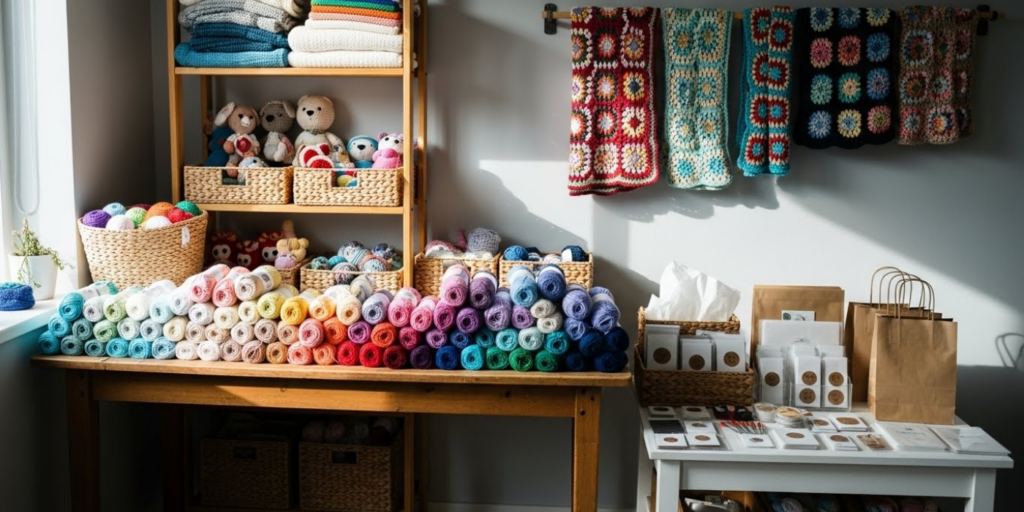
For handmade businesses rooted in fiber arts, product descriptions serve as both sales copy and customer education. Unlike fast fashion or generic accessories, crochet items often require context: Is this scarf warm enough for winter? Will this baby blanket hold up after repeated washes? Can someone with sensitive skin wear this hat?
Many crochet businesses operate as one-person shops. The creator designs, crochets, photographs, lists, ships, and handles customer service—all while managing personal life and creative energy. In this context, writing detailed, consistent product descriptions can feel like an afterthought. But skipping this step—or rushing through it—creates friction in the buyer’s journey.
Experienced designers often recommend treating your product description as a silent sales representative. It should anticipate objections (“Is this too bulky?”), highlight differentiators (“Hand-dyed merino wool, ethically sourced”), and clarify usage (“Perfect for layering in spring or as a lightweight summer wrap”).
Moreover, clear descriptions reduce cognitive load for shoppers. When customers don’t have to guess about size, material, or care, they’re more likely to click “Add to Cart.” In fact, studies in e-commerce psychology show that perceived transparency directly correlates with purchase confidence—especially in niche markets like handmade goods where trust is paramount.
For knitting and crochet sellers, this isn’t just about aesthetics; it’s about operational efficiency. Fewer “What size is this?” messages mean more time spent creating. Fewer returns due to misunderstood materials mean healthier profit margins. And clearer communication fosters repeat customers who know exactly what to expect from your brand.
Why This Strategy Works Especially Well in the Crochet Community
The crochet community thrives on connection, craftsmanship, and care. Buyers aren’t just purchasing a product—they’re investing in a story, a process, and often, a personal relationship with the maker. This cultural nuance makes clear product descriptions for crochet items uniquely powerful.
Unlike algorithm-driven marketplaces where price and speed dominate, handmade platforms like Etsy or indie craft sites reward authenticity and detail. Shoppers here are willing to pay a premium for quality—but they need reassurance that their investment aligns with their values and needs.
From my experience consulting with over 50 crochet-based microbrands, I’ve observed that the most successful sellers share one trait: they write like they speak. Their descriptions sound human, warm, and knowledgeable—not robotic or salesy. They explain why they chose cotton over acrylic for a dishcloth, or why a particular stitch pattern creates extra drape in a shawl. This level of insight builds credibility.
Additionally, the crochet audience is highly engaged. Many buyers are makers themselves—they recognize terms like “worsted weight,” “single crochet,” or “blocking.” Using accurate terminology signals professionalism. At the same time, including brief explanations (e.g., “blocked for shape retention”) educates newer crafters without alienating experts.
This dual-audience approach—serving both fellow crocheters and non-crafting gift buyers—is where clarity shines. A well-written description bridges that gap effortlessly.
Materials, Tools, or Resources Needed
You don’t need expensive software or copywriting degrees to write effective product descriptions. What you do need is consistency, attention to detail, and a few foundational tools:
- A style guide: Even a simple one-page document listing your brand voice (e.g., “warm, informative, slightly whimsical”), standard measurements format, and care instruction phrasing ensures uniformity across listings.
- Measurement tools: A flexible tape measure, scale (for weight-sensitive shipping), and ruler help you provide accurate dimensions.
- Yarn labels or supplier info: Keep digital or physical copies of yarn details (fiber content, yardage, dye lot) for reference.
- Customer feedback log: Note recurring questions from buyers—these reveal gaps in your current descriptions.
- SEO keyword research tool (optional but helpful): Free tools like Ubersuggest or Google Keyword Planner can identify search terms like “handmade crochet baby blanket organic cotton” that real people use.
Most importantly, you need a template. Creating a reusable structure prevents omissions and saves time. For example:
Title: [Product Name] – [Key Feature]
Short intro: 1–2 sentences capturing essence
Materials: Fiber type, yarn brand (if notable), hook size used
Dimensions: Length, width, circumference, etc.
Care instructions: Hand wash? Machine safe? Lay flat to dry?
Intended use: Season, occasion, gifting suitability
Customization note: “Message me for color changes!”
Having this framework means you’re never starting from scratch.
Yarn Types and Fiber Considerations
One of the most critical—and often overlooked—aspects of writing clear product descriptions for crochet items is accurately conveying fiber content. The yarn you choose affects everything: drape, warmth, durability, skin sensitivity, and care requirements.
Begin by naming the fiber(s) explicitly. Instead of “soft yarn,” say “100% Peruvian highland wool” or “organic cotton blend with 10% recycled polyester.” If you used a specific brand (e.g., Lion Brand Wool-Ease, Scheepjes Whirl), mention it—many buyers recognize and trust certain lines.
Consider these common fibers and what to highlight:
- Cotton: Breathable, absorbent, great for dishcloths, summer garments, and baby items. Note if it’s mercerized (shinier, stronger) or organic.
- Wool: Warm, elastic, naturally water-resistant. Specify if it’s superwash (machine-washable) or untreated (requires hand washing).
- Acrylic: Affordable, durable, easy-care—but can pill or feel less breathable. Be honest: “Budget-friendly acrylic ideal for everyday wear.”
- Bamboo/Viscose: Silky drape, cool to the touch, excellent for shawls or lightweight tops. Mention if it stretches over time.
- Alpaca: Luxuriously soft and warmer than wool, but lacks elasticity—best blended with other fibers for structure.
Always disclose blends. A “wool blend” could mean 20% wool or 80%. Precision builds trust.
Also, address ethical sourcing if applicable. Phrases like “OEKO-TEX certified” or “locally spun” resonate with conscious consumers. But avoid vague claims like “eco-friendly” without explanation.
Skill Level Breakdown (Beginner / Intermediate / Advanced)
While this section typically applies to patterns, it’s equally relevant for finished goods—especially when describing complexity or customization potential.
- Beginner-friendly items: Simple shapes (beanies, dishcloths, basic blankets). In descriptions, emphasize ease of use: “No-fuss beanie with stretchy ribbing for all head sizes.”
- Intermediate pieces: Involve shaping, colorwork, or textured stitches (e.g., baskets, sweaters, amigurumi with jointed limbs). Highlight craftsmanship: “Each flower motif is individually stitched for dimensional detail.”
- Advanced creations: Feature intricate lace, garment construction, or innovative techniques. Use descriptive language that conveys value: “Hand-engineered lace shawl with 12-hour blocking process for perfect drape.”
Even if you’re not selling a pattern, signaling the skill behind the item justifies pricing and appeals to discerning buyers who appreciate artistry.
Step-by-Step Guide to Writing Clear Product Descriptions for Crochet Items
Follow this detailed, actionable process for every listing:
Step 1: Start with the Customer’s Perspective
Ask: What would I need to know before buying this? Put yourself in the shoes of:
- A gift buyer (needs size, occasion, delivery time)
- A practical user (cares about care, durability, fit)
- A fellow maker (appreciates technique, yarn choice)
Write down 3–5 key concerns for your target buyer.
Step 2: Craft a Strong Opening Line
Your first sentence must grab attention and state the product’s core benefit. Avoid generic phrases like “Beautiful handmade item.” Instead:
“Wrap yourself in cloud-soft alpaca warmth with this oversized winter scarf—hand-crocheted in small batches using ethically sourced fibers.”
Step 3: Specify Exact Dimensions
Never say “one size fits most” without data. Measure:
- Hats: Circumference (unstretched and stretched), height
- Blankets: Length x width in inches/cm
- Amigurumi: Height from feet to head, sitting height
- Garments: Bust, waist, hip, sleeve length (even if approximate)
Use consistent units (e.g., always include both inches and cm).
Step 4: Detail Materials Transparently
List:
- Fiber content (% if blend)
- Yarn weight (e.g., DK, worsted)
- Hook size used (optional but helpful)
- Any embellishments (buttons, embroidery floss)
Example:
“Made with 100% GOTS-certified organic cotton (worsted weight), crocheted with a 5.0mm hook for balanced stitch definition and drape.”
Step 5: Explain Care Instructions Clearly
Be specific:
- “Hand wash cold, lay flat to dry”
- “Machine wash gentle cycle in laundry bag; do not bleach”
- “Spot clean only—due to delicate lace detailing”
Avoid “dry clean only” unless absolutely necessary—it deters many buyers.
Step 6: Describe Intended Use & Seasonality
Help buyers visualize ownership:
“Ideal for crisp autumn mornings or layering under coats in deep winter.”
“Lightweight enough for summer evenings, yet cozy for spring strolls.”
Step 7: Address Fit or Sizing Nuances
For wearable items:
“Designed with negative ease for a snug fit—choose next size up for relaxed wear.”
“Stretches comfortably to fit head circumferences 21–23 inches.”
Step 8: Include Customization Options (If Offered)
“Love this design but want it in sage green? Message me before purchase—I offer custom color swaps at no extra cost!”
Step 9: Add a Human Touch
Share a brief “why”:
“I designed this blanket after my niece asked for something ‘as soft as a hug’—each stitch is made with that intention.”
Step 10: Optimize for SEO Naturally
Weave in keywords like:
- “handmade crochet baby blanket”
- “chunky crochet scarf for women”
- “washable amigurumi toy”
But never sacrifice readability for keywords.
Common Mistakes and How to Avoid Them
Even seasoned sellers fall into these traps:
❌ Vague Language
Mistake: “Soft and cozy.”
Fix: “Plush 100% merino wool provides next-to-skin softness without itch.”
❌ Ignoring Measurements
Mistake: “Fits most adults.”
Fix: “Unstretched circumference: 20 inches; stretches to 23 inches—ideal for average adult heads.”
❌ Overpromising
Mistake: “Will last forever!”
Fix: “With proper care (hand wash, lay flat to dry), this piece will retain its shape and softness for years.”
❌ Skipping Care Instructions
Mistake: Assuming buyers know how to care for handmade items.
Fix: Always include clear, concise care steps—even if obvious to you.
❌ Inconsistent Formatting
Mistake: Some listings have dimensions, others don’t.
Fix: Use your template religiously.
❌ Keyword Stuffing
Mistake: “Buy handmade crochet baby blanket crochet blanket for baby soft baby crochet blanket…”
Fix: Use keywords once or twice naturally: “This handmade crochet baby blanket is crafted from hypoallergenic cotton…”
Advanced Tips and Professional Insights
Go beyond basics with these pro strategies:
Use Sensory Language
Describe how the item feels, moves, and sounds:
“The open honeycomb stitch creates a whisper-light fabric that flows with every step.”
Leverage Social Proof
If allowed by platform rules:
“Over 200 five-star reviews call this ‘the softest scarf they’ve ever owned.’”
Create Scannable Structure
Use bullet points for specs:
- Material: 100% organic cotton
- Dimensions: 30″ x 40″ (76 cm x 102 cm)
- Care: Machine wash cold, tumble dry low
A/B Test Descriptions
On platforms like Etsy, slightly tweak titles or opening lines and monitor which converts better.
Localize When Possible
For international buyers:
“Ships from Portland, Oregon—typically arrives in EU within 7–10 business days.”
Update Seasonally
Refresh keywords: In December, add “perfect holiday gift”; in June, “lightweight summer accessory.”
Real-World or Hypothetical Examples
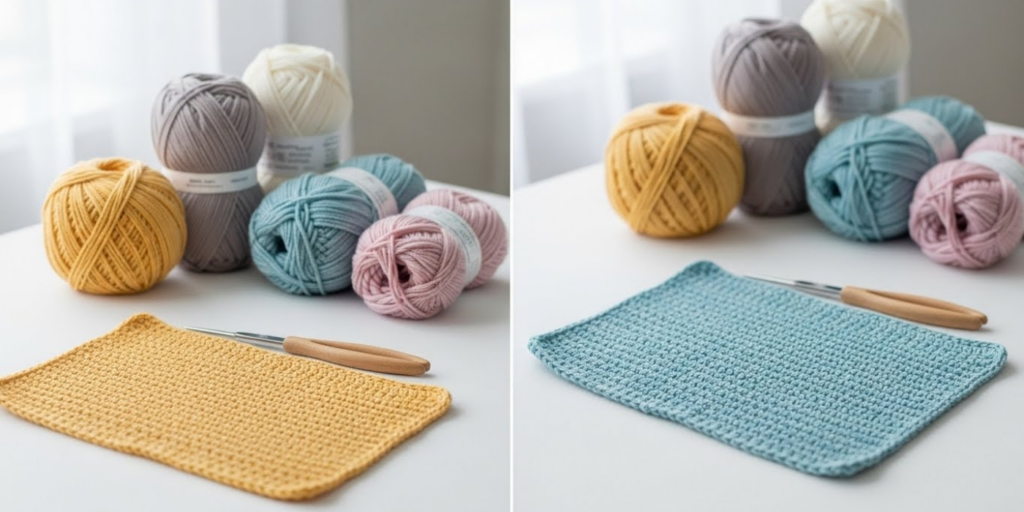
Example 1: Crochet Baby Blanket
Weak: “Adorable handmade baby blanket. Very soft!”
Strong:
“Snuggle-Ready Organic Cotton Baby Blanket – Hand-Crocheted with Love
Measuring 30” x 36” (76 x 91 cm), this gender-neutral blanket is generously sized for newborns through toddlers. Made with 100% GOTS-certified organic cotton in a breathable shell stitch pattern, it’s gentle on sensitive skin and ideal for year-round use. Machine washable for busy parents—tumble dry low or lay flat to maintain shape. Each blanket is made to order in our smoke-free studio. Ships in 3–5 business days. Perfect as a baby shower gift—gift wrapping available upon request.”
Example 2: Amigurumi Fox Toy
Weak: “Cute crochet fox. Great for kids!”
Strong:
“Whimsical Handmade Fox Amigurumi – Safe, Cuddly & Ready for Adventure
Standing 10 inches tall (25 cm) when seated, this friendly fox is lovingly stitched from premium acrylic yarn and stuffed with hypoallergenic polyfill. Safety eyes securely attached (not recommended for children under 3). Surface washable with damp cloth. Designed with floppy ears and a curly tail for endless hugs. Each fox is unique—minor variations in stitching add to its handmade charm. Ships worldwide from our pet-free home studio.”
These examples answer unspoken questions while sounding warm and professional.
Customization and Adaptation Ideas
Empower buyers by offering controlled flexibility:
- Color swaps: “Choose from 12 in-stock colors—see photo 5 for palette.”
- Size adjustments: “Need a larger blanket? Message me for custom sizing (+$15).”
- Personalization: “Add a monogram for $5—ideal for gifts!”
- Bundle options: “Pair with matching headband for 10% off.”
Clearly state lead times and any additional costs. Transparency prevents frustration.
Care, Maintenance, or Best Practices
Always include care instructions—even if brief. For most crochet items:
- Washing: Hand wash in cold water with mild detergent. Avoid wringing.
- Drying: Lay flat on towel, reshape while damp. Never hang heavy wet items—they stretch.
- Storage: Fold, don’t hang, to prevent distortion. Store in breathable cotton bag with cedar block to deter moths (for wool).
- Pilling: Use a fabric shaver gently on acrylic blends.
For items with embellishments (buttons, beads), add: “Remove before washing” or “Spot clean only.”
Monetization Opportunities
Clear descriptions directly support revenue:
- Higher perceived value: Detailed specs justify premium pricing.
- Reduced refunds: Fewer “not as described” claims.
- Cross-selling: “Customers who bought this scarf also loved our matching mittens.”
- Email list growth: “Love this style? Join our waitlist for new color drops.”
- Wholesale potential: Boutiques need precise product details for their own listings.
Educate, don’t hard-sell. Trust converts.
Frequently Asked Questions (FAQ)
Q1: How long should a crochet product description be?
A: Aim for 150–300 words—enough to inform, not overwhelm. Prioritize scannability with bullet points for specs.
Q2: Should I mention if an item is made to order?
A: Yes! Always state production time: “Made to order—ships in 5–7 business days.”
Q3: Do I need to list the crochet hook size used?
A: Not essential for finished goods, but helpful for maker-buyers. Optional but appreciated.
Q4: How do I describe size for non-standard items like shawls?
A: Give wingspan (tip to tip) and depth (neck to point). Example: “72” wingspan x 28” depth.”
Q5: Can I use the same description for multiple color variants?
A: Yes, but customize the opening line: “Available in Deep Navy, Sage Green, and Blush Pink—this versatile tote…”
Q6: What if my yarn label is lost?
A: Estimate based on memory (“similar to worsted weight acrylic”) and be transparent: “Exact fiber unknown—appears to be standard acrylic blend.”
Conclusion
Writing clear product descriptions for crochet items is more than a technical task—it’s an act of care. It shows respect for your customers’ time, intelligence, and trust. Every dimension listed, every fiber named, every care instruction spelled out is a quiet promise: This item is exactly as described, and I stand behind it.
In a digital marketplace crowded with noise, clarity becomes your competitive edge. It transforms browsers into buyers, one-word reviewers into loyal fans, and casual shoppers into gift-givers who return season after season.
Start small: pick one best-selling item and rewrite its description using this guide. Measure the impact—fewer questions, higher conversions, positive reviews mentioning “accurate description.” Then apply the same rigor to your next listing.
Your hands create beauty. Your words ensure it’s understood, valued, and cherished. That’s the true art of selling handmade.

Emily Parker is a passionate crochet artist and creative storyteller. With years of experience turning simple yarn into beautiful, unique pieces, she loves sharing tips, tutorials, and inspiration with fellow crafters. Emily believes that crochet is more than a hobby it’s a way to express creativity, spread joy, and connect with people through handmade art.