Introduction
Choosing the right crochet project isn’t just about aesthetics—it’s a strategic decision that balances your current skill level, available time, and personal goals. Whether you’re a hobbyist looking to unwind after work or a handmade business owner aiming to expand your product line, how to select crochet projects based on skill level and time is a foundational question that impacts your satisfaction, productivity, and even profitability. Many beginners jump into complex patterns only to feel overwhelmed and discouraged, while experienced crocheters sometimes underestimate simple projects that could yield quick wins or serve as ideal inventory for seasonal markets. In this comprehensive guide, we’ll break down exactly how to match your abilities and schedule with the perfect project—so you stay motivated, avoid burnout, and consistently produce beautiful, meaningful work. From yarn selection to monetization strategies, this article equips you with actionable insights grounded in real-world experience from years of teaching, designing, and running successful crochet-focused businesses.
What This Topic Means for Crochet & Knitting Businesses
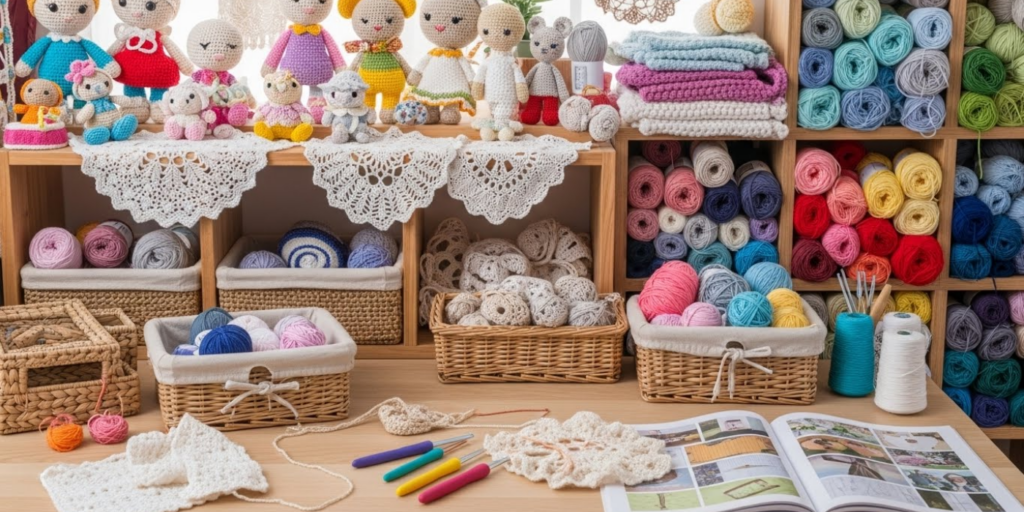
For handmade entrepreneurs, how to select crochet projects based on skill level and time directly influences operational efficiency, customer satisfaction, and revenue streams. In many crochet businesses, especially those operating on platforms like Etsy or at local craft fairs, inventory turnover and production speed are critical. A beginner-level maker might spend 10 hours on a baby blanket that sells for $45, while an intermediate designer could produce three identical pieces in the same timeframe using optimized techniques—dramatically altering profit margins.
Moreover, aligning projects with your actual skill prevents costly mistakes. Misjudging complexity can lead to wasted materials, inconsistent quality, or delayed orders—all of which damage reputation. Experienced designers often recommend auditing your weekly availability before committing to new product lines. For instance, if you only have 6–8 hours per week to crochet, focusing on accessories like headbands, coasters, or small amigurumi makes far more sense than launching a line of full-sized sweaters.
From working with multiple crochet brands, I’ve observed that the most sustainable businesses treat project selection as a core part of their product development strategy—not an afterthought. They categorize designs by difficulty and estimated completion time, then map them to marketing calendars (e.g., “quick holiday gifts” in October, “summer market staples” in May). This intentional approach reduces stress, improves consistency, and allows for better forecasting of material needs and labor costs.
Why This Strategy Works Especially Well in the Crochet Community
The crochet community thrives on accessibility, creativity, and incremental growth—making thoughtful project selection not just practical but deeply aligned with its culture. Unlike some crafts that require expensive machinery or studio space, crochet can be done anywhere with minimal tools. This flexibility means makers often juggle it alongside full-time jobs, parenting, or other responsibilities. Thus, how to select crochet projects based on skill level and time becomes a lifeline for maintaining consistency without burnout.
Additionally, the crochet world is rich with free and low-cost patterns, tutorials, and supportive online groups. This ecosystem encourages experimentation—but only if you start at the right entry point. Jumping into a lace shawl pattern as a total novice can be discouraging, whereas mastering a basic dishcloth builds confidence and muscle memory. The community rewards progress, not perfection, and smart project choices keep you engaged long enough to see real improvement.
Experienced designers often emphasize that crochet’s repetitive nature makes it uniquely suited to time-based planning. Once you know your gauge and average stitches-per-hour, you can accurately estimate project duration. This predictability is invaluable for both personal enjoyment and business planning. In fact, many successful crochet influencers and shop owners attribute their growth to a disciplined approach: they only add new patterns to their repertoire once they’ve mastered the foundational techniques required—and always test them against their real-world schedule.
Materials, Tools, or Resources Needed
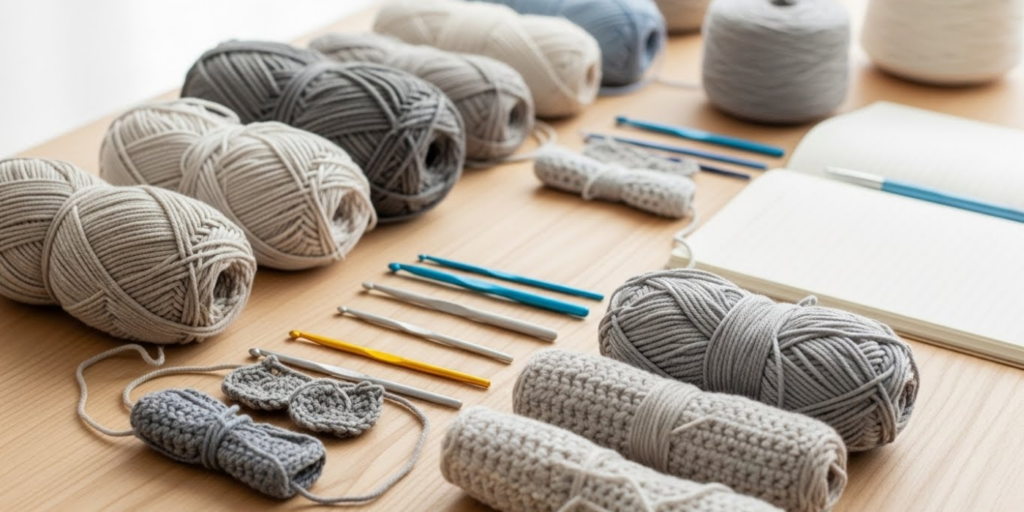
Before selecting any project, ensure you have—or can easily acquire—the necessary materials and tools. This step prevents mid-project frustration and wasted investment. Here’s a practical checklist:
- Crochet Hooks: A set ranging from 2.0mm to 6.0mm covers most projects. Ergonomic hooks reduce hand fatigue during long sessions.
- Yarn: Always check the pattern’s recommended weight (e.g., DK, worsted, bulky). Substituting without swatching can alter size and drape.
- Stitch Markers: Essential for tracking rounds in amigurumi or lacework.
- Tapestry Needle: For weaving in ends neatly—critical for professional finishes.
- Measuring Tape & Ruler: Accuracy matters, especially for garments.
- Scissors: Sharp, dedicated yarn scissors prevent fraying.
- Pattern Source: Use trusted platforms like Ravelry, LoveCrafts, or designer websites. Free patterns vary widely in quality; look for those with clear instructions and user reviews.
- Project Planner or Journal: Track time spent, modifications made, and lessons learned. This data informs future selections.
From working with multiple crochet brands, I’ve seen that makers who invest in quality tools—even modestly—complete projects faster and with greater satisfaction. A $12 ergonomic hook may seem trivial, but if it lets you crochet 30 minutes longer without pain, it pays for itself in productivity.
Yarn Types and Fiber Considerations
Yarn choice profoundly affects both difficulty and time investment. A slippery silk blend might be gorgeous for a shawl but maddening for a beginner trying to maintain consistent tension. Conversely, a stiff cotton yarn holds stitch definition well for dishcloths but can be tough on hands during large projects.
Here’s how fiber impacts project selection:
- Acrylic: Affordable, durable, and forgiving. Ideal for beginners and high-volume items (e.g., charity blankets, market stock). Washes well—great for baby items.
- Cotton: Holds shape, breathable, but less elastic. Best for home goods (towels, baskets) or summer wear. Can be heavy in large pieces.
- Wool: Warm, elastic, and resilient. Excellent for garments and cold-weather accessories. Some find it itchy; superwash varieties are easier to care for.
- Bamboo/Viscose: Drapey and silky, but slippery. Better for intermediate+ makers comfortable with tension control.
- Blends: Often combine benefits (e.g., wool-acrylic for warmth + easy care). Read labels carefully—some blends pill or stretch unpredictably.
Always consider care requirements. If you’re making gifts or selling products, customers will appreciate knowing if an item is machine-washable. In many crochet businesses, using consistent, easy-care yarns across a product line simplifies customer service and reduces returns.
Swatching isn’t optional—it’s strategic. A 4″x4″ swatch reveals how the yarn behaves with your hook and tension. It also gives you a realistic sense of how long the full project will take. If your swatch takes 20 minutes, and the pattern requires 20 such squares, you’re looking at ~7 hours—not counting assembly. This math is essential for honest time budgeting.
Skill Level Breakdown
Understanding your true skill level—not what you wish it were—is the cornerstone of smart project selection. Below is a detailed breakdown, including typical time commitments and suitable project types.
Beginner (0–6 months experience)
Characteristics: Comfortable with chain, single crochet, and slip stitch. May struggle with tension consistency or reading written patterns. Unfamiliar with special stitches or shaping.
Time per Project: 2–10 hours, depending on size.
Ideal Projects:
- Dishcloths or washcloths (practice basic stitches)
- Simple scarves (garter or single crochet rectangles)
- Coasters or mug rugs
- Basic beanies (worked in continuous rounds)
- Small granny squares
Avoid: Garments requiring precise sizing, intricate lace, colorwork, or complex construction.
Pro Tip: Choose projects with minimal finishing. Beginners often lose motivation during seaming or weaving in dozens of ends. Opt for seamless designs or items where ends can be hidden mid-row.
Intermediate (6 months–2 years experience)
Characteristics: Confident with increases/decreases, reading charts, working in the round, and basic shaping. Familiar with common abbreviations and can troubleshoot minor errors.
Time per Project: 5–25 hours.
Ideal Projects:
- Sweaters with simple construction (drop-shoulder, raglan)
- Amigurumi with basic shaping
- Lace shawls with repeating motifs
- Market bags or tote bags
- Baby blankets with textured stitches
Avoid: Highly technical garments (set-in sleeves, tailored fits), advanced colorwork (intarsia, fair isle), or patterns requiring extensive blocking.
Pro Tip: Intermediate crocheters benefit from “stretch projects”—those that introduce one new technique (e.g., front-post stitches) while relying on familiar foundations. This builds skills without overwhelming.
Advanced (2+ years experience)
Characteristics: Mastery of multiple techniques, ability to modify patterns, read complex charts, and design original work. Understands garment construction and fiber behavior.
Time per Project: 15–60+ hours.
Ideal Projects:
- Tailored cardigans or fitted dresses
- Intricate lace table runners or wedding shawls
- Multi-color tapestry crochet
- Custom-fit garments
- Original designs for publication or sale
Avoid: Projects that don’t challenge or inspire—advanced makers often stall when they repeat the same skill level without growth.
Pro Tip: Even experts should audit their time. A stunning heirloom blanket might take 80 hours—wonderful for a personal gift, but unsustainable as a bestseller unless priced accordingly.
Step-by-Step Guide
Follow this detailed process every time you consider a new project:
Step 1: Assess Your Current Skill Honestly
Review your last 3–5 finished projects. Did you complete them without major frustration? Could you replicate them confidently? If yes, you’re ready for the next tier. If not, reinforce fundamentals first.
Step 2: Audit Your Available Time
Track your actual free time for one week. Don’t assume—you might think you have 10 hours, but reality shows 4. Be ruthless. Then, decide:
- Daily micro-sessions (15–30 min): Choose small, portable projects (e.g., socks, granny squares).
- Weekly blocks (2–4 hours): Ideal for medium projects like hats or baby blankets.
- Weekend marathons (6+ hours): Reserve for large or complex pieces.
Step 3: Match Project to Time & Skill
Use this matrix:
| Skill Level | <5 Hours | 5–15 Hours | 15–30 Hours | 30+ Hours |
|---|---|---|---|---|
| Beginner | Coasters, headbands | Scarves, beanies | Simple blankets | Avoid |
| Intermediate | Amigurumi, pouches | Shawls, market bags | Sweaters, baby sets | Lace shawls |
| Advanced | Swatches, samples | Colorwork accessories | Garments, quilts | Heirloom pieces |
Step 4: Evaluate the Pattern
- Clarity: Are instructions detailed? Are there photos or video support?
- Reviews: On Ravelry or Etsy, do users mention errors or confusion?
- Customization: Does it allow size adjustments? Can you substitute yarn easily?
Step 5: Do a Test Swatch
Crochet a 4″x4″ sample in the recommended yarn and hook. Measure:
- Gauge accuracy
- Your comfort with the stitch pattern
- Time per row/round
If the swatch feels tedious or confusing, reconsider—even if the final product looks amazing.
Step 6: Plan for Finishing
Estimate time for:
- Seaming (if applicable)
- Weaving in ends (count yarn changes!)
- Blocking (essential for lace or garments)
- Adding embellishments (buttons, tassels)
Many crocheters forget this phase, leading to unfinished WIPs (works in progress).
Step 7: Commit or Pivot
If all checks pass, gather materials and start. If doubts remain, save the pattern for later and choose something that fits your current reality.
Common Mistakes and How to Avoid Them
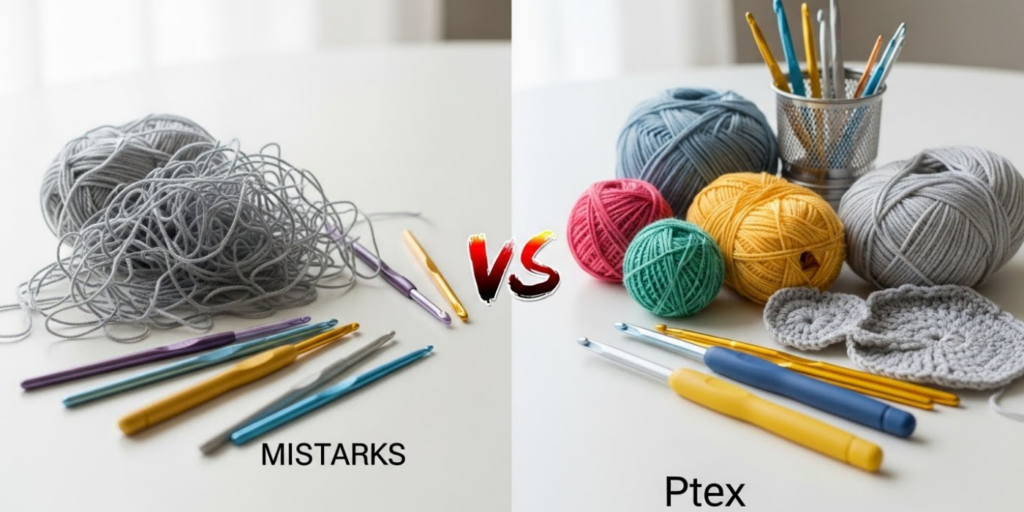
Even seasoned crocheters fall into these traps. Awareness is your best defense.
Mistake 1: Overestimating Available Time
Example: Planning a sweater during a busy workweek.
Fix: Use a time-tracking app for one week. Base decisions on real data, not optimism.
Mistake 2: Ignoring Skill Gaps
Example: Attempting a cable-knit-style crochet pattern without understanding post stitches.
Fix: Break the pattern into techniques. Master each separately via YouTube tutorials before starting.
Mistake 3: Choosing Yarn Based Only on Looks
Example: Using novelty eyelash yarn for a first amigurumi—impossible to see stitches.
Fix: Prioritize stitch definition for learning projects. Save fuzzy or variegated yarns for familiar patterns.
Mistake 4: Skipping the Swatch
Example: Making a child’s hat that ends up fitting a doll due to gauge error.
Fix: Treat swatching as non-negotiable. It’s the fastest way to avoid wasting hours.
Mistake 5: Underestimating Finishing Time
Example: Spending 20 hours on a blanket but leaving it unseamed for months.
Fix: Schedule finishing as a separate session. Reward yourself upon completion (e.g., “After I weave in these ends, I’ll watch my favorite show”).
Mistake 6: Chasing Trends Without Alignment
Example: Making 50 mushroom amigurumi because they’re viral—despite hating sculptural crochet.
Fix: Ask: “Do I enjoy this process?” Passion sustains effort; trends fade.
Advanced Tips and Professional Insights
Beyond basics, these strategies elevate your project selection from good to exceptional.
Tip 1: Build a Personal Pattern Library
Categorize saved patterns by:
- Skill level
- Estimated time
- Seasonality
- Profit potential (for sellers)
This turns overwhelming options into a curated menu.
Tip 2: Leverage “Batch Crocheting”
When making multiples (e.g., for markets), complete all of one step before moving on:
- Chain all pieces
- Finish all rounds 1–5
- Then rounds 6–10, etc.
This reduces mental load and speeds up production by 20–30%.
Tip 3: Use Time Multipliers
Experienced designers often apply multipliers to swatch time:
- Simple stitch: x1
- Textured stitch: x1.5
- Color changes: x2
- Complex shaping: x3
So if a swatch row takes 5 minutes, a 100-row textured blanket = 5 × 100 × 1.5 = 750 minutes (~12.5 hours).
Tip 4: Align Projects with Energy Levels
Save mindless repeats (dishcloths) for low-energy days. Reserve complex lace for focused mornings. Matching task to mental state prevents errors.
Tip 5: Create a “Project Pipeline”
Maintain three active projects:
- One quick win (<2 hours) for instant gratification
- One medium challenge (your current growth edge)
- One dream project (long-term, inspirational)
This balance sustains motivation through plateaus.
From working with multiple crochet brands, I’ve found that top sellers use this pipeline to maintain consistent social media content—posting quick finishes weekly while teasing larger works in progress.
Real-World or Hypothetical Examples
Example 1: The Busy Parent
Sarah, a mother of two toddlers, has 30 minutes most evenings and 2 hours on Sundays. She’s a confident beginner. Instead of attempting a baby blanket (which stalled after 3 rows), she chose a pattern for modular hexagons—each takes 20 minutes. She crochets one nightly, joins them weekly, and finished a full blanket in 6 weeks. The modular approach fit her fragmented time and gave her daily wins.
Example 2: The Etsy Seller Scaling Up
Marcus runs a small crochet shop. His bestseller was a $28 beanie taking 3 hours to make. To increase profit, he tested a simpler version using bulk acrylic yarn and eliminated pom-poms (which took 20 minutes each to attach). The new design took 1.8 hours, allowing him to raise output by 65% without hiring help. He used the saved time to develop a matching scarf—now a bundle that sells for $52.
Example 3: The Advanced Designer Avoiding Burnout
Elena, known for intricate wedding shawls, felt exhausted after back-to-back commissions. She audited her calendar and realized she had no “joy projects.” She scheduled one weekend a month for experimental swatches—no pressure to finish. This rekindled her creativity, leading to a new paid workshop on texture combinations.
These cases show that how to select crochet projects based on skill level and time isn’t theoretical—it’s a practical tool for real lives and businesses.
Customization and Adaptation Ideas
Once you’ve chosen a suitable base project, personalize it without adding undue complexity.
- Size Adjustments: For blankets or garments, calculate additional yarn needed using the pattern’s yardage per square inch. Add/subtract repeats symmetrically.
- Color Simplification: If a pattern calls for 5 colors but you prefer minimalist, use 2—just ensure contrast is sufficient for stitch visibility.
- Functional Tweaks: Turn a decorative basket into a plant holder by adding a waterproof liner. Convert fingerless gloves into phone-holding mittens with a thumb slit.
- Skill-Building Mods: In a basic beanie, replace half-double crochet with waistcoat stitch to practice a new technique within a familiar structure.
Experienced designers often recommend “pattern hacking” as a safe way to innovate. Start with trusted free patterns (like those from Lion Brand or Red Heart), then document your changes for future reference or sharing.
Care, Maintenance, or Best Practices
Your project’s longevity depends on post-completion care—especially if selling or gifting.
- Blocking: Essential for lace and garments. Wet-block natural fibers; steam-block synthetics. Always follow yarn label instructions.
- Washing Instructions: Include a care tag with handmade items. Specify: “Hand wash cold, lay flat to dry” for wool; “Machine wash gentle” for acrylic.
- Storage: Fold knits/crochets with acid-free tissue paper. Avoid plastic bags—use cotton pillowcases to prevent mildew.
- Repair Kits: For sold items, include a small yarn snippet and darning needle. Customers appreciate the thoughtfulness.
In many crochet businesses, providing care guidance reduces customer service inquiries and builds trust. It signals professionalism and pride in craftsmanship.
Monetization Opportunities
Smart project selection directly enables income generation—without compromising ethics or quality.
- Quick-Turnaround Items: Coasters, keychains, or scrunchies can be made in under an hour. Bundle them as “impulse buys” at markets.
- Custom Commissions: Offer personalized versions of your proven patterns (e.g., pet portraits in amigurumi). Charge a premium for customization.
- Digital Products: Once you’ve perfected a pattern, sell the PDF on Etsy or Ravelry. Your real-world testing ensures clarity.
- Workshops: Teach others to make your signature piece. A 2-hour class on “Beginner Beanies” can generate more per hour than making the beanies yourself.
- Subscription Boxes: Curate monthly kits with pre-measured yarn and simplified patterns matched to subscriber skill levels.
Educational note: Never promise income guarantees. Instead, focus on value—e.g., “This pattern uses affordable yarn and sells well at local markets based on my experience.”
Frequently Asked Questions (FAQ)
Q1: How do I know if a crochet pattern matches my skill level?
A: Check the pattern’s stated difficulty and compare it to your mastery of required techniques (listed in the materials section). If it mentions “front-post treble” and you’ve never done post stitches, it’s likely too advanced. When in doubt, make a swatch of the main stitch pattern—if it takes multiple froggings (ripping out), wait.
Q2: What’s the fastest crochet project for absolute beginners?
A: A simple rectangle—like a dishcloth or bookmark—using only chain and single crochet. These take 1–2 hours, teach foundational skills, and have no shaping or finishing beyond weaving in two ends.
Q3: Can I adjust a pattern to fit my available time?
A: Yes. Reduce size (e.g., make a baby blanket instead of throw), simplify stitches (replace bobbles with single crochet), or omit embellishments. Always recalculate yarn needs after changes.
Q4: How many hours does an average crochet blanket take?
A: It varies widely: a baby blanket in worsted weight may take 8–12 hours; a king-sized afghan in lace weight could take 60+ hours. Always check pattern notes or Ravelry project logs for real-user estimates.
Q5: Should I avoid complex projects if I only have 30 minutes a day?
A: Not necessarily. Choose projects worked in small, repetitive units (granny squares, motif blankets). Each session completes a unit, giving satisfaction without needing long stretches.
Q6: What’s the biggest mistake when selecting crochet projects for sale?
A: Prioritizing aesthetics over efficiency. A stunning but 20-hour item priced at $50 isn’t sustainable. Focus on pieces that balance beauty, reasonable production time, and market demand—like beanies, market bags, or seasonal ornaments.
Conclusion
Mastering how to select crochet projects based on skill level and time transforms your crafting from a source of stress into a sustainable, joyful practice—whether you’re stitching for relaxation or revenue. By honestly assessing your abilities, respecting your schedule, and choosing patterns that align with both, you’ll finish more projects, build confidence, and avoid the dreaded pile of abandoned WIPs. Remember: the “perfect” project isn’t the most impressive one—it’s the one you’ll actually complete and love. Start small, track your progress, and let each finished piece be a stepping stone to the next. Your hooks, yarn, and creativity are ready—now go make something wonderful, on your terms.

Emily Parker is a passionate crochet artist and creative storyteller. With years of experience turning simple yarn into beautiful, unique pieces, she loves sharing tips, tutorials, and inspiration with fellow crafters. Emily believes that crochet is more than a hobby it’s a way to express creativity, spread joy, and connect with people through handmade art.