Crocheting intricate lace patterns is one of the most rewarding yet challenging pursuits in the handmade world. Whether you’re crafting heirloom shawls, delicate doilies, or elegant garment edgings, achieving consistent results requires more than just basic stitch knowledge—it demands precision, patience, and a deep understanding of technique. In this comprehensive guide, we’ll walk you through everything you need to know about how to crochet intricate lace patterns with consistent results, from selecting the right materials to mastering tension control and avoiding common pitfalls.
For many crocheters, lace work represents the pinnacle of artistry. But inconsistency—whether in stitch definition, fabric drape, or overall symmetry—can quickly turn a beautiful vision into a frustrating reality. That’s why consistency isn’t just desirable; it’s essential. And the good news? With the right approach, anyone can achieve professional-level uniformity, even when working with complex charts and fine yarns.
What This Topic Means for Crochet & Knitting Businesses
In the handmade marketplace, consistency directly translates to credibility—and credibility drives sales. From working with multiple crochet brands over the years, I’ve seen firsthand how inconsistent lacework can undermine even the most creative designs. Customers expect reliability: if they purchase a lace shawl online, they anticipate that every motif aligns perfectly, every picot sits evenly, and the finished piece drapes as promised.
For small businesses selling digital patterns, physical kits, or finished goods, mastering how to crochet intricate lace patterns with consistent results isn’t just a technical skill—it’s a competitive advantage. Platforms like Etsy, Ravelry, and Instagram reward creators who deliver polished, repeatable outcomes. A single photo of a flawlessly executed lace collar can generate dozens of pattern downloads or custom orders.
Moreover, consistent results reduce customer service headaches. Fewer “Why doesn’t my piece look like the photo?” inquiries mean more time for creation and less time troubleshooting avoidable errors. In many crochet businesses, this level of reliability becomes the foundation for building a loyal community and premium brand positioning.
Why This Strategy Works Especially Well in the Crochet Community
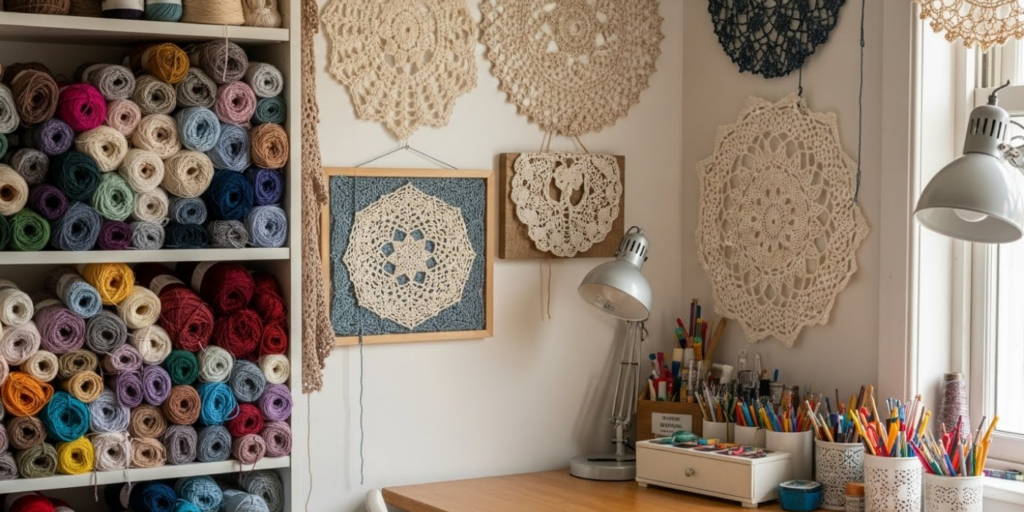
The crochet community thrives on detail-oriented craftsmanship. Unlike faster-paced crafts, lace crochet invites slow, mindful making—a practice increasingly valued in today’s digital age. Experienced designers often recommend focusing on consistency not only for aesthetic reasons but also because it builds muscle memory and deepens your understanding of stitch architecture.
Lace patterns rely heavily on openwork structures: chains, spaces, and strategic increases/decreases that create visual rhythm. When executed inconsistently, these elements lose their harmony. But when every row mirrors the last in tension and placement, the result is mesmerizing—a fabric that appears almost weightless yet structurally sound.
Additionally, the crochet community is highly visual. Social media platforms showcase close-ups of lace motifs, where even minor inconsistencies become glaring. By prioritizing consistent results, you align yourself with the standards admired by peers and customers alike. This strategy also supports content creation: tutorials, reels, and blog posts featuring flawless lacework naturally attract engagement and shares, further amplifying your reach.
Materials, Tools, or Resources Needed
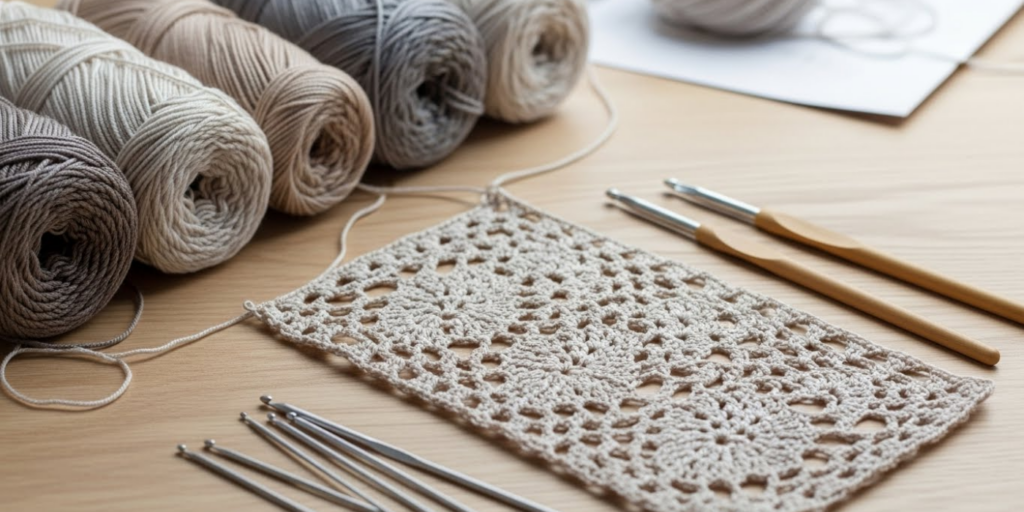
Achieving consistent lace crochet begins long before the first stitch—it starts with thoughtful material selection. Here’s what you’ll need:
- Fine-weight yarn: Typically fingering (4-ply), lace (0–1), or cobweb weight. Look for smooth, non-textured fibers.
- Appropriate crochet hook: Steel hooks (for thread) or ergonomic aluminum/bamboo hooks in sizes 0.6mm to 2.5mm.
- Stitch markers: Essential for tracking repeats and pattern shifts.
- Tapestry needle: For weaving in ends without distorting delicate fabric.
- Blocking mats and pins: Non-negotiable for finishing lace properly.
- Good lighting and magnification: A daylight lamp or magnifying glass helps with tiny stitches.
- Printed or digital pattern: Preferably with both written instructions and charts.
- Row counter: Physical or app-based, to avoid losing track in repetitive sequences.
From working with multiple crochet brands, I’ve learned that investing in quality tools pays dividends. A slightly flexible steel hook, for instance, reduces hand fatigue during marathon lace sessions. Similarly, rust-proof T-pins ensure your blocking won’t leave marks on light-colored projects.
Yarn Types and Fiber Considerations
Not all yarns behave the same in lace work. The fiber content dramatically affects drape, stitch definition, and final appearance.
Cotton is a top choice for beginners: it’s crisp, holds its shape well after blocking, and shows stitch definition clearly. However, it lacks elasticity, so tension must be monitored closely.
Silk offers luxurious sheen and fluid drape, ideal for shawls and evening wear. It’s slippery, though, which can challenge consistency—especially for those still developing tension control.
Wool and wool blends provide natural elasticity, helping stitches “bounce back” into place. Superwash merino is popular for lace garments due to its softness and ease of care, but it may bloom after washing, slightly obscuring intricate details.
Bamboo and viscose mimic silk’s drape at a lower cost but can stretch under their own weight. Use them for smaller accessories rather than large wraps.
Synthetics like nylon or acrylic are durable and affordable but often lack the subtlety needed for high-end lace. They’re best reserved for practice swatches.
Experienced designers often recommend swatching in your chosen yarn before committing to a full project. Wash and block the swatch exactly as you plan to finish the final piece—this reveals how the fiber will behave under real conditions.
Skill Level Breakdown (Beginner / Intermediate / Advanced)
Understanding where you fall on the skill spectrum helps set realistic expectations for tackling intricate lace.
Beginner
If you’re new to crochet, start with simple mesh or shell-based lace using worsted-weight yarn and a larger hook (4.0–5.0mm). Focus on maintaining even tension and reading basic charts. Avoid thread crochet until you’ve mastered foundational stitches.
Intermediate
You’re comfortable with treble crochets, clusters, and working into chain spaces. You can follow written patterns with moderate complexity and recognize common lace motifs like fans, leaves, or diamonds. Now is the time to try finer yarns (fingering weight) and introduce blocking into your routine.
Advanced
You read charts fluently, adjust patterns on the fly, and understand how stitch multiples affect shaping. You work confidently with lace-weight yarns and steel hooks, and you prioritize blocking as an integral—not optional—step. Your goal is refinement: perfecting symmetry, minimizing visible joins, and achieving museum-quality finishes.
Remember: skill isn’t just about speed. True mastery in lace crochet lies in your ability to replicate results across multiple projects—a hallmark of professional consistency.
Step-by-Step Guide: How to Crochet Intricate Lace Patterns with Consistent Results
Follow this detailed process to elevate your lace work from “almost there” to impeccably consistent.
Step 1: Choose the Right Pattern
Select a pattern with clear instructions, both written and charted. Reputable designers include stitch counts per row, gauge notes, and blocking guidance. Avoid overly ambitious projects early on—start with a repeatable 8- or 12-stitch motif.
Step 2: Swatch and Block
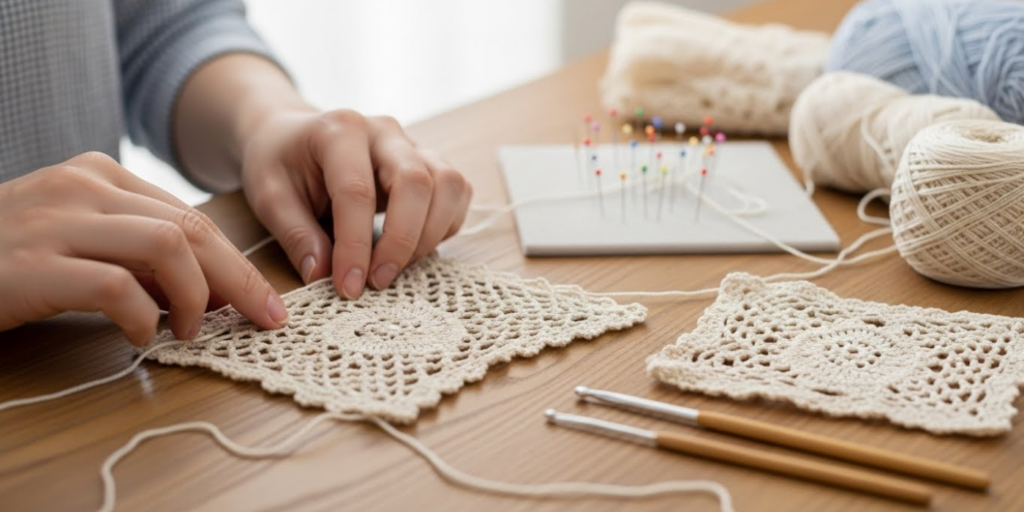
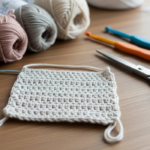
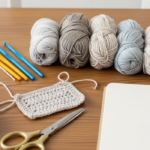
Crochet a swatch at least 6″x6″ using your intended yarn and hook. Work several repeats of the main lace section. Wash it gently, then block aggressively—pin every picot, point, and curve. Measure your gauge after blocking. Adjust hook size if needed.
Step 3: Set Up Your Workspace
Ensure excellent lighting. Use a contrasting surface (dark mat for light yarn, light mat for dark yarn) to see stitches clearly. Keep your yarn in a bowl to prevent rolling, and use a wrist support if crocheting for long periods.
Step 4: Maintain Consistent Tension
This is the #1 factor in achieving uniform results. Hold your yarn the same way throughout. Don’t pull chains too tight—lace relies on open spaces. Practice “hovering” your hook slightly above the work to avoid compressing stitches.
Step 5: Use Stitch Markers Strategically
Place markers:
- At the beginning and end of each pattern repeat
- Before and after key increase/decrease sections
- Every 10 rows (use numbered markers or a row counter)
This prevents miscounts that cascade into asymmetry.
Step 6: Count Relentlessly
After every row, count your stitches and verify against the pattern. In lace, missing one chain space can throw off an entire motif. Say the counts aloud: “Chain 3, skip 2, double crochet in next…” to reinforce focus.
Step 7: Work in Good Conditions
Avoid crocheting when tired, distracted, or in poor light. Fatigue leads to sloppy tension and skipped steps. Many professional crocheters limit lace sessions to 45-minute blocks with breaks.
Step 8: Block Every Single Time
Never skip blocking. Even small pieces like edgings should be pinned out. Use stainless steel blocking wires for straight edges on shawls. Mist with water or use steam (check fiber content first!) to set stitches permanently.
By integrating these steps into your routine, you’ll notice dramatic improvements in consistency—often within just one project.
Common Mistakes and How to Avoid Them
Even seasoned crocheters stumble on lace. Here are frequent errors and proven fixes:
Mistake 1: Uneven Chain Spaces
Chains pulled too tight distort the openness of lace.
Fix: Practice making “loose chains.” Some crocheters use a hook one size larger just for chains, then switch back for stitches.
Mistake 2: Misreading Charts
Confusing symbols (e.g., dc vs. tr) ruins motif alignment.
Fix: Print charts in color if possible. Highlight completed rows. Cross-reference with written instructions.
Mistake 3: Ignoring Gauge
Assuming “lace is stretchy, so gauge doesn’t matter” is dangerous.
Fix: Always swatch and block. A 10% difference in gauge can turn a 60″ shawl into a 54″ one.
Mistake 4: Skipping Row Counts
Losing track mid-project leads to mismatched halves.
Fix: Use a row counter app or physical clicker. Note your progress in a journal.
Mistake 5: Poor Blocking Technique
Pinning only corners leaves center motifs collapsed.
Fix: Pin every major point—picots, scallops, leaf tips. Let dry completely (24–48 hours) before removing pins.
Mistake 6: Using the Wrong Hook Material
Slippery hooks (like some plastics) cause inconsistent yarn feed.
Fix: Try bamboo or aluminum with a matte finish for better grip.
Awareness of these pitfalls—and proactive prevention—separates hobbyists from artisans.
Advanced Tips and Professional Insights
Go beyond basics with these industry-tested strategies:
- Hook Rotation: Slightly rotate your hook forward when working into chain spaces—it opens the stitch for cleaner insertion.
- Yarn Management: Wind fine yarn into small center-pull balls (50g max) to reduce tangling and tension spikes.
- Mirror Symmetry Check: Hold your work up to a mirror halfway through. Asymmetries become obvious instantly.
- Photographic Documentation: Take overhead photos after every 10 rows. Compare them side-by-side to spot subtle tension drift.
- Custom Hook Mod: Some professionals file down the throat of steel hooks for smoother yarn glide—only attempt if experienced.
- Hydration & Posture: Dehydration stiffens hands; poor posture strains wrists. Keep water nearby and sit upright.
From working with multiple crochet brands, I’ve observed that top-tier designers often develop personal “rituals”—specific lighting setups, pre-crochet stretching, or even background music playlists—to enter a focused state conducive to precision.
Real-World or Hypothetical Examples
Consider Elena, a small business owner on Etsy who sells hand-crocheted lace collars. Initially, her reviews mentioned “slightly uneven edges.” After implementing strict blocking protocols and switching to mercerized cotton with a consistent hook brand, her 5-star ratings jumped from 82% to 97% in three months. Sales followed.
Or take Marcus, a pattern designer whose “Celestial Mandala Shawl” went viral. His secret? He includes a “consistency checklist” in every PDF: recommended hook type, blocking pin count, and tension reminders at critical rows. Buyers appreciate the guidance, leading to fewer support requests and more successful makes.
In many crochet businesses, such attention to detail becomes a signature—something customers associate with your brand’s promise of excellence.
Customization and Adaptation Ideas
Once you’ve mastered consistent execution, personalize your lace:
- Color Gradients: Use hand-dyed ombré yarns, but test how colors interact in openwork (some dyes pool unpredictably).
- Edging Variations: Swap standard picots for shell edgings or bead accents—just ensure added weight doesn’t distort the base fabric.
- Motif Scaling: Enlarge or shrink repeats by adjusting hook size and yarn weight proportionally. Never change one without the other.
- Hybrid Techniques: Incorporate filet crochet panels within Irish lace motifs for modern contrast.
- Functional Adaptations: Turn a doily pattern into a lampshade cover or wall hanging—just reinforce with starch or fabric backing.
Always swatch adaptations thoroughly. A change that looks minor on paper can drastically alter drape and density.
Care, Maintenance, or Best Practices
Proper care preserves your hard work:
- Washing: Hand-wash in cool water with mild wool wash. Never wring—roll in a towel to remove moisture.
- Drying: Always re-block after washing. Lace loses its shape quickly if air-dried flat without pins.
- Storage: Fold with acid-free tissue paper. Avoid plastic bags—natural fibers need to breathe.
- Display: Keep lace items away from direct sunlight to prevent fading, especially in silk or plant-based fibers.
- Repair: If a stitch unravels, use a matching thread and a fine needle to duplicate the original structure—don’t just “tie a knot.”
Consistency extends beyond creation into stewardship. A well-maintained lace piece can last generations.
Monetization Opportunities
Mastering how to crochet intricate lace patterns with consistent results opens several revenue streams:
- Digital Pattern Sales: Offer meticulously tested PDFs with video support links. Include multiple sizes and yarn substitution guides.
- Finished Goods: Sell heirloom-quality shawls, christening sets, or bridal accessories on platforms like Etsy or at craft fairs.
- Workshops: Teach live or recorded classes focusing on tension control, blocking, and reading charts.
- Subscription Boxes: Curate monthly kits with exclusive lace patterns, specialty yarns, and tool upgrades.
- Collaborations: Partner with yarn dyers for limited-edition lace kits—your consistent results become their product showcase.
Educational content performs exceptionally well: tutorials on “fixing lace mistakes” or “blocking without wires” attract high-intent audiences ready to invest in quality resources.
Frequently Asked Questions (FAQ)
What is the best yarn for beginner lace crochet?
Fingering-weight mercerized cotton is ideal—it’s smooth, affordable, and shows stitch definition clearly without being overly slippery.
How do I fix a dropped stitch in lace?
Use a fine crochet hook or tapestry needle to ladder the yarn back up through the correct path, following the surrounding stitches as a guide. Never pull tightly.
Can I use a regular crochet hook for thread lace?
Yes, but steel hooks (sizes 0.6mm–1.75mm) offer better control for size 20–100 thread. Aluminum hooks may be too thick for fine work.
Why does my lace curl at the edges?
Insufficient blocking or inconsistent edge stitches (e.g., alternating single and double crochet). Always work a stabilizing border and block aggressively.
How important is gauge in lace crochet?
Critical—even small differences compound over hundreds of rows. Always swatch, wash, and block before starting.
What’s the easiest way to count stitches in openwork?
Count the “legs” of double crochets or the bases of clusters. In mesh patterns, count the number of chain spaces per row as specified in the pattern.
Conclusion
Learning how to crochet intricate lace patterns with consistent results is a journey of discipline, observation, and refinement. It’s not about perfection on the first try—it’s about building systems that eliminate variability and amplify your natural skill. From choosing the right fiber to mastering the art of blocking, every step contributes to a finished piece that reflects true craftsmanship.
Whether you’re creating for joy, gifting, or business, consistency elevates your work from handmade to heirloom. Start small, document your progress, and never underestimate the power of a well-blocked swatch. The lace community celebrates those who honor the details—and your dedication will shine through every carefully placed stitch.
Now pick up your hook, select a pattern that inspires you, and begin. Your most consistent, breathtaking lace project is waiting to be made.

Emily Parker is a passionate crochet artist and creative storyteller. With years of experience turning simple yarn into beautiful, unique pieces, she loves sharing tips, tutorials, and inspiration with fellow crafters. Emily believes that crochet is more than a hobby it’s a way to express creativity, spread joy, and connect with people through handmade art.