Introduction
When you’re standing in a yarn shop—whether it’s a cozy local store or scrolling through an online marketplace—the sheer variety of options can be overwhelming. But one of the most fundamental decisions every knitter and crocheter must make is whether to choose natural vs synthetic yarn. This choice isn’t just about aesthetics or texture; it impacts everything from stitch definition and drape to durability, care instructions, environmental footprint, and even your project’s final price point.
In my years working with handmade brands, teaching workshops, and consulting for fiber artists launching their own lines, I’ve seen how this foundational decision shapes not only the creative process but also business outcomes. Whether you’re crafting a baby blanket, designing a luxury shawl, or building a sustainable crochet brand, understanding the nuanced differences between natural and synthetic fibers is essential. This guide dives deep into the characteristics, pros and cons, practical applications, and strategic implications of both categories—so you can make informed, confident choices that align with your craft, values, and goals.
What This Topic Means for Crochet & Knitting Businesses
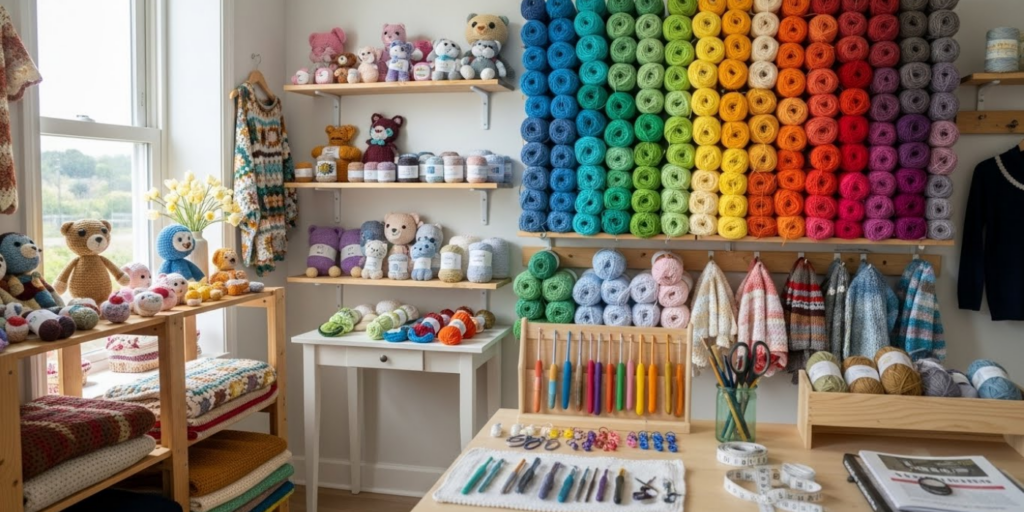
For artisans and small business owners in the handmade space, the natural vs synthetic yarn debate extends far beyond personal preference. It directly influences product positioning, customer expectations, pricing strategy, and brand identity.
Many successful crochet businesses differentiate themselves by committing to 100% natural fibers—organic cotton, ethically sourced merino wool, or plant-based bamboo—appealing to eco-conscious consumers willing to pay a premium for sustainability. Others leverage the affordability and consistency of synthetic blends to offer accessible, machine-washable items like dishcloths, children’s wear, or seasonal home decor.
From working with multiple crochet brands over the past decade, I’ve observed that clarity around fiber content builds trust. Customers increasingly read labels and ask questions: “Is this yarn biodegradable?” “Will it pill after three washes?” “Is it safe for sensitive skin?” Your ability to answer these confidently—and back your claims with transparency—can turn casual buyers into loyal advocates.
Moreover, platforms like Etsy, Instagram, and Pinterest reward authenticity and educational content. A post explaining why you chose Tencel™ over acrylic for your summer top collection doesn’t just inform—it establishes authority and aligns your brand with mindful consumption trends.
Why This Strategy Works Especially Well in the Crochet Community
The crochet and knitting communities are uniquely receptive to fiber education. Unlike fast fashion, handmade textiles are rooted in intentionality, heritage, and tactile connection. Crafters invest hours in a single project—they care deeply about how the yarn feels in their hands, how it behaves on the hook, and how it ages over time.
Experienced designers often recommend starting conversations about fiber early in the design process. For example, if you’re creating a marketable pattern for a lightweight cardigan, choosing a linen-cotton blend (natural) versus a nylon-acrylic mix (synthetic) will dictate everything from gauge swatching to recommended hook size to washing instructions in your pattern notes.
Additionally, the rise of “slow stitching” movements—mirroring slow food and slow fashion—has amplified interest in natural fibers. Many crocheters now seek out undyed, minimally processed yarns that tell a story: where the sheep were raised, how the flax was retted, or whether the dye was plant-based. This narrative depth resonates powerfully in marketing and community building.
Materials, Tools, or Resources Needed
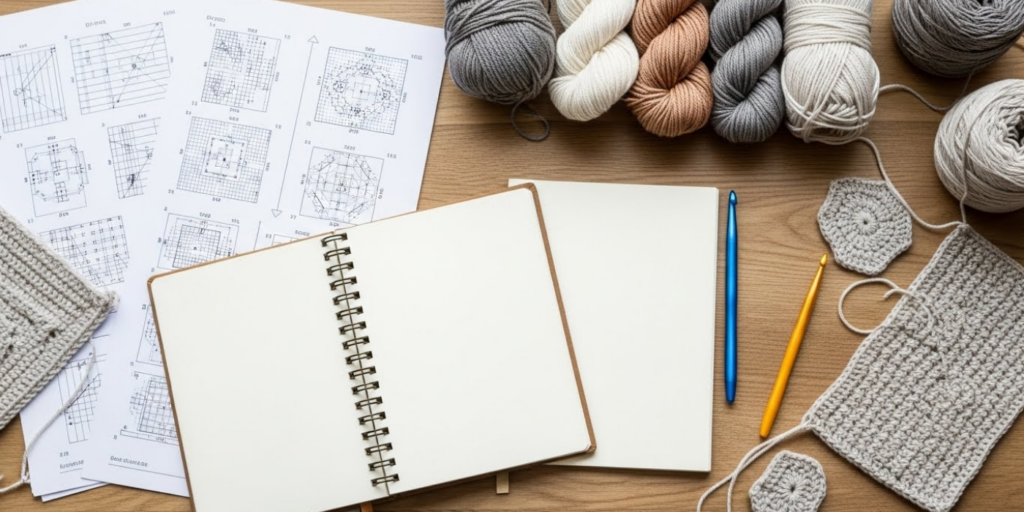
Before diving into yarn selection, gather these essential tools and resources to make informed comparisons:
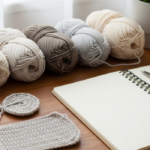
- Swatch notebook: Document how different yarns behave in tension, blocking, and wear.
- Fiber identification guide: Books like The Knitter’s Book of Yarn by Clara Parkes or online databases from The Woolmark Company.
- Digital scale: To measure yardage per gram when comparing value across brands.
- pH-neutral wool wash: For proper care testing during swatching.
- Microscope or magnifying glass (optional): To examine fiber structure if sourcing raw or unlabeled yarn.
- Supplier transparency reports: Reputable brands publish details on sourcing, certifications (GOTS, Oeko-Tex®, RWS), and environmental impact.
Having these on hand ensures your evaluation of natural vs synthetic yarn is grounded in observation, not assumption.
Yarn Types and Fiber Considerations
Understanding the core properties of each fiber type is crucial. Let’s break them down.
Natural Fibers
Natural fibers come from animals, plants, or minerals. They are generally biodegradable and renewable, though processing methods vary widely in sustainability.
Wool (Sheep, Alpaca, Mohair, Cashmere)
- Pros: Elastic, warm, moisture-wicking, naturally flame-resistant. Excellent stitch definition.
- Cons: Can felt if agitated in hot water; may cause skin irritation for some. Requires gentle care.
- Best for: Sweaters, hats, mittens, heirloom blankets.
Cotton
- Pros: Breathable, absorbent, softens with washing, hypoallergenic.
- Cons: Lacks elasticity (can stretch out); heavy when wet; prone to pilling.
- Best for: Summer garments, baby items, kitchen textiles.
Linen & Hemp
- Pros: Extremely strong, gets softer with use, highly breathable, eco-friendly (low water/pesticide needs).
- Cons: Stiff at first; less elastic; wrinkles easily.
- Best for: Lightweight tops, market bags, home decor.
Silk & Bamboo (Regenerated Cellulose)
- Pros: Luxurious drape, sheen, smooth texture. Bamboo is fast-growing and biodegradable.
- Cons: Expensive; silk requires dry cleaning; some bamboo processing uses harsh chemicals (look for closed-loop Lyocell/Tencel™).
- Best for: Shawls, evening wear, delicate accessories.
Synthetic Fibers
Synthetics are human-made, typically from petroleum derivatives. They dominate mass-market yarn due to cost and performance consistency.
Acrylic
- Pros: Affordable, colorfast, machine-washable, lightweight, hypoallergenic.
- Cons: Pills easily, poor breathability, melts under high heat, non-biodegradable.
- Best for: Budget projects, charity items, children’s toys.
Nylon
- Pros: Strong, elastic, abrasion-resistant. Often blended to add durability.
- Cons: Not breathable; derived from fossil fuels.
- Best for: Socks, sock heels/toes, reinforcing high-wear areas.
Polyester
- Pros: Wrinkle-resistant, quick-drying, retains shape.
- Cons: Static-prone, poor moisture absorption, sheds microplastics.
- Best for: Blends for structure (e.g., sweater bodies).
Rayon/Viscose
- Technically semi-synthetic (from wood pulp)
- Pros: Silky drape, affordable alternative to silk.
- Cons: Weak when wet, stretches irreversibly, environmentally taxing production.
- Best for: Draped garments (with careful handling).
Skill Level Breakdown
Beginner
New crafters benefit from forgiving, consistent yarns. Synthetic blends (especially acrylic) are ideal starters: they’re inexpensive, widely available, and easy to frog (undo). Mistakes won’t break the bank, and machine-washability reduces anxiety about care.
However, don’t avoid natural fibers entirely. A smooth, worsted-weight merino wool or cotton teaches excellent tension control and shows stitch patterns clearly—valuable learning tools.
Intermediate
At this stage, experiment intentionally. Try a linen-cotton blend for a summer top to understand how low-elasticity fibers behave. Or work with superwash merino to enjoy wool’s warmth without hand-washing fears.
This is also when you’ll start noticing how fiber affects drape and gauge. Swatching becomes non-negotiable.
Advanced
Seasoned makers select yarn as part of the design—not just for looks, but for performance. You might choose undyed alpaca for its halo and warmth in a textured cowl, or Tencel™ for its fluid drape in a bias-cut shawl.
Advanced crafters also consider ethical sourcing, carbon footprint, and end-of-life biodegradability—factors that increasingly define premium handmade goods.
Step-by-Step Guide: Choosing Between Natural and Synthetic Yarn
Follow this detailed process to make the best fiber choice for any project.
Step 1: Define Your Project’s Purpose
Ask:
- Will it be worn next to skin? → Prioritize softness (merino, bamboo, high-quality acrylic).
- Is it functional (e.g., dishcloth)? → Choose durable, absorbent cotton or cellulose.
- Is it decorative (e.g., wall hanging)? → Texture matters more than washability; consider wool or jute.
- Who is the recipient? Babies need hypoallergenic, non-toxic fibers (organic cotton, Oeko-Tex® certified synthetics).
Step 2: Evaluate Care Requirements
- If the user won’t hand-wash, avoid non-superwash wool or delicate silk.
- For high-use items (socks, bags), include nylon or polyester for strength.
- Note: “Machine-washable” doesn’t always mean “dryer-safe.” Check labels.
Step 3: Swatch with Intention
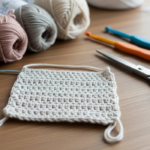
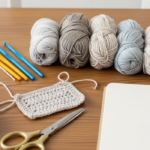
Knit or crochet a 6″x6″ swatch using your planned stitch pattern. Then:
- Wash and dry it as you would the finished item.
- Measure gauge before and after.
- Assess pilling, stretching, or fuzzing.
- Drape it over your arm—does it feel right for the garment?
This step alone prevents 90% of fiber-related regrets.
Step 4: Consider Environmental Impact
Ask suppliers:
- Is the fiber certified organic or regenerative?
- Are dyes low-impact or natural?
- Is packaging plastic-free?
- For synthetics: Is it recycled (e.g., Repreve®)?
Even small brands can request this info—it signals values alignment.
Step 5: Calculate True Cost Per Project
Don’t just compare price per skein. Calculate:
(Price per skein ÷ yards per skein) × total yards needed = true project cost
A $12 natural yarn with 200 yards may be cheaper per yard than a $7 acrylic with 150 yards.
Step 6: Test Stitch Definition
Work a few rows of lace, cables, or texture stitches. Natural fibers like wool hold definition beautifully; slippery synthetics like rayon may blur details.
Step 7: Final Decision Matrix
Create a simple table:
| Factor | Natural Fiber Score | Synthetic Fiber Score |
|---|---|---|
| Softness | ★★★★☆ | ★★★☆☆ |
| Durability | ★★★☆☆ | ★★★★☆ |
| Eco-Impact | ★★★★★ | ★☆☆☆☆ |
| Care Ease | ★★☆☆☆ | ★★★★★ |
| Stitch Clarity | ★★★★★ | ★★★☆☆ |
Let your project’s priorities tip the scale.
Common Mistakes and How to Avoid Them
Mistake 1: Assuming “Natural = Better”
Not all natural yarns are equal. Conventional cotton uses massive water and pesticides. Some “bamboo” is processed with toxic solvents. Always check certifications.
Fix: Look for GOTS (Global Organic Textile Standard) or Oeko-Tex® Standard 100 labels.
Mistake 2: Ignoring Fiber Blends
Pure fibers have limitations. A 70% merino/30% nylon sock yarn combines warmth with durability—better than 100% wool for high-friction areas.
Fix: Embrace strategic blends. Many premium yarns mix natural and synthetic for optimal performance.
Mistake 3: Skipping the Swatch
“I’ve used this yarn before” isn’t enough. Dye lots vary. Humidity affects natural fibers. Always swatch for this project.
Fix: Treat swatching as non-negotiable—like measuring fabric before cutting.
Mistake 4: Overlooking Microplastic Shedding
Every wash of synthetic yarn releases microplastics into waterways. A single acrylic sweater can shed 700,000 fibers per wash.
Fix: Use a Guppyfriend washing bag or Cora Ball to capture microfibers. Or choose natural fibers when possible.
Mistake 5: Misjudging Drape
Beginners often pick stiff cotton for a flowy dress—resulting in a boxy silhouette. Drape is fiber-dependent.
Fix: Drape your swatch over a curved surface (like a bowl). If it clings softly, it’s drapey. If it stands upright, it’s crisp.
Advanced Tips and Professional Insights
After consulting for over 30 handmade brands, here’s what separates pros from hobbyists:
Tip 1: Understand “Superwash” Isn’t Magic
Superwash wool is treated to resist felting—but this process often involves chlorine and polymer coatings that reduce biodegradability. Some eco-conscious makers now avoid it.
Alternative: Use non-superwash wool with clear care instructions (“hand wash cold, lay flat”). Educated customers appreciate honesty.
Tip 2: Leverage Fiber for Brand Storytelling
Instead of just saying “100% cotton,” say: “Grown on a family farm in Texas, rain-fed, and GOTS-certified.” This builds emotional connection and justifies premium pricing.
Tip 3: Know When Synthetics Shine
High-visibility safety gear? Use fluorescent acrylic. Outdoor cushions? Solution-dyed polyester resists UV fading. Don’t demonize synthetics—deploy them strategically.
Tip 4: Track Fiber Trends
Regenerative agriculture, traceable wool, and closed-loop cellulose (like Tencel™) are rising. Stay ahead by following organizations like Fibershed or Textile Exchange.
Tip 5: Educate Your Customers
Include a “Fiber Facts” insert with orders: “This alpaca yarn is naturally water-repellent and warmer than sheep’s wool—perfect for winter scarves!”
Real-World or Hypothetical Examples
Example 1: The Sustainable Baby Brand
A small business launched organic cotton onesies but struggled with shrinkage. After switching to a GOTS-certified Pima cotton with 5% elastane, they achieved softness, shape retention, and machine-washability—without compromising ethics. Sales increased 40% due to reduced returns.
Example 2: The Luxury Shawl Designer
An advanced crocheter created a lace shawl in silk but received complaints about fragility. She reformulated with 70% Tencel™ / 30% silk, maintaining drape while improving strength. The new version became her bestseller.
Example 3: The Charity Knitter
A volunteer group making chemo caps initially used acrylic for affordability. But recipients reported overheating. They switched to bamboo-cotton blends, which are cooler and softer—proving that even budget projects benefit from thoughtful fiber choices.
Customization and Adaptation Ideas
Your yarn choice isn’t fixed—you can adapt based on availability, budget, or creative vision.
- Need more elasticity? Add a strand of elastic thread (like Stretch Magic) when holding natural fibers double.
- Want natural fiber on a budget? Mix one strand of luxury wool with one strand of affordable acrylic—creates a marled effect and reduces cost.
- Creating texture? Combine a smooth cotton with a bouclé synthetic for visual interest.
- Dyeing at home? Natural fibers accept plant dyes beautifully; synthetics require disperse dyes (more complex).
Always test adaptations in a swatch first.
Care, Maintenance, or Best Practices
Proper care extends your handmade item’s life—regardless of fiber.
Natural Fibers
- Wool/Alpaca: Hand wash in cool water with wool wash. Never wring. Lay flat on towel to dry.
- Cotton/Linen: Machine wash gentle, but reshape while damp to prevent stretching.
- Silk: Hand wash or dry clean. Avoid direct sunlight when drying.
Synthetic Fibers
- Acrylic/Polyester: Machine wash and dry, but use low heat to prevent melting or pilling.
- Nylon: Avoid high heat; air dry when possible to maintain elasticity.
Universal Tips
- Store in breathable cotton bags (not plastic).
- Use cedar blocks instead of mothballs for wool storage.
- Rotate seasonal items to prevent permanent creases.
Monetization Opportunities
Understanding natural vs synthetic yarn opens revenue streams beyond finished goods:
- Educational Content: Sell digital guides like “Fiber Selection Masterclass” or “Eco Yarn Sourcing Checklist.”
- Curated Kits: Bundle project-specific yarns with patterns—e.g., “Organic Cotton Dishcloth Kit” or “Superwash Sock Yarn Trio.”
- Consulting: Advise indie dyers or small brands on fiber sourcing and labeling compliance.
- Workshops: Host live or virtual sessions on swatching, fiber ID, or sustainable practices.
- Affiliate Partnerships: Recommend trusted suppliers (e.g., Wool and the Gang, We Are Knitters) with transparent disclosures.
Focus on value-driven education—not hype. Your audience will reward authenticity.
Frequently Asked Questions (FAQ)
What’s the main difference between natural and synthetic yarn?
Natural yarn comes from plants or animals (e.g., cotton, wool) and is biodegradable. Synthetic yarn is man-made from petrochemicals (e.g., acrylic, polyester) and is not biodegradable. Each has distinct performance, care, and environmental characteristics.
Is natural yarn always better for sensitive skin?
Not necessarily. While many find natural fibers like organic cotton or merino gentler, some people react to lanolin in wool. High-quality, hypoallergenic acrylics (Oeko-Tex® certified) can be safer for very sensitive skin. Always swatch against the skin first.
Which yarn is more durable: natural or synthetic?
Synthetics like nylon and polyester generally resist abrasion better, making them ideal for high-wear items like socks. However, natural fibers like linen and silk are incredibly strong when dry. Blends often offer the best balance.
Can I mix natural and synthetic yarns in one project?
Yes! Many commercial yarns are blends. When combining separate strands, ensure similar weight and care instructions. Always swatch to check compatibility in drape and washing.
Are synthetic yarns bad for the environment?
Most conventional synthetics are derived from non-renewable petroleum and shed microplastics. However, recycled synthetics (e.g., from ocean plastic) and innovations like bio-based nylons are improving sustainability. Natural fibers aren’t automatically eco-friendly—conventional cotton farming is highly polluting.
How do I know if a yarn is truly natural or organic?
Look for third-party certifications: GOTS (Global Organic Textile Standard) for organic fibers, Oeko-Tex® Standard 100 for non-toxic dyes, and RWS (Responsible Wool Standard) for ethical animal treatment. Marketing terms like “eco” or “green” without certification are often unverified.
Conclusion
Choosing between natural vs synthetic yarn isn’t about picking a “winner”—it’s about matching the right fiber to your project’s purpose, your values, and your audience’s needs. Natural fibers offer beauty, biodegradability, and a connection to tradition, while synthetics provide affordability, consistency, and performance in specific applications. The most skilled crafters and savvy handmade businesses understand that wisdom lies in discernment, not dogma.
As you move forward, let curiosity guide you. Swatch boldly. Ask suppliers hard questions. Share your fiber journey with your community. In doing so, you’ll not only create better handmade goods—you’ll contribute to a more informed, intentional, and sustainable craft culture. Grab your hook or needles, and happy stitching!

Emily Parker is a passionate crochet artist and creative storyteller. With years of experience turning simple yarn into beautiful, unique pieces, she loves sharing tips, tutorials, and inspiration with fellow crafters. Emily believes that crochet is more than a hobby it’s a way to express creativity, spread joy, and connect with people through handmade art.