Introduction
Choosing the right yarn is one of the most critical decisions you’ll make in any crochet or knitting project. It’s not just about color or softness—it’s about fiber content, weight, texture, drape, durability, and how the finished item will be used. Whether you’re crafting a cozy baby blanket, a structured market bag, or an elegant lace shawl, your yarn choice directly impacts the final result, wearability, and even the ease of your stitching process. This guide dives deep into the world of yarn types for crochet and knitting projects, offering practical insights, expert recommendations, and strategic guidance tailored to both hobbyists and handmade business owners. From natural fibers like wool and cotton to innovative synthetics and luxury blends, we’ll explore how each yarn type behaves, where it excels, and what pitfalls to avoid. By the end of this comprehensive resource, you’ll have the knowledge to confidently select the perfect yarn for any project—saving time, reducing frustration, and elevating your craft.
What This Topic Means for Crochet & Knitting Businesses
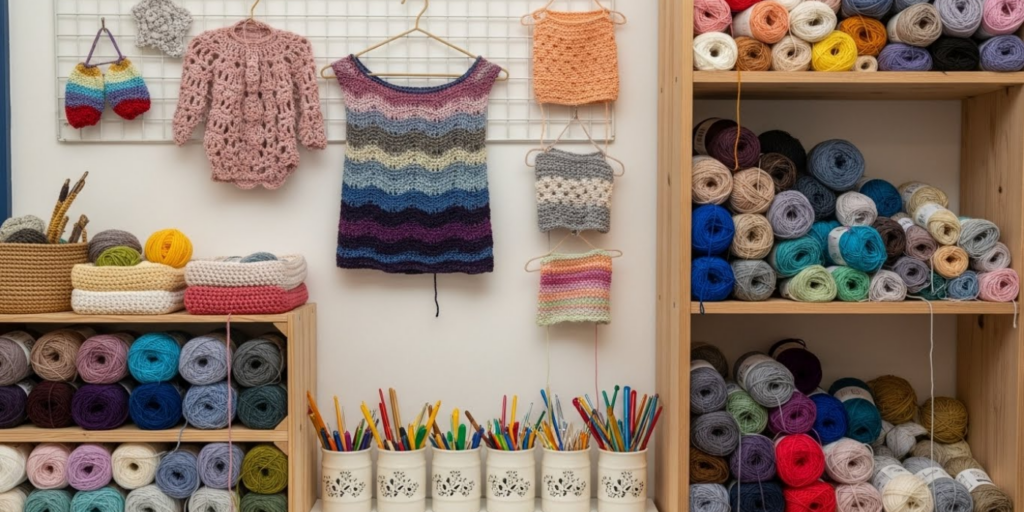
For handmade entrepreneurs, understanding yarn types for crochet and knitting projects isn’t just a technical detail—it’s a cornerstone of product quality, customer satisfaction, and brand reputation. In my years working with multiple crochet brands and consulting for small fiber businesses, I’ve seen firsthand how yarn selection can make or break a product line. A poorly chosen yarn might pill after two washes, stretch out of shape, or irritate sensitive skin—leading to negative reviews and lost customers. Conversely, a thoughtfully selected yarn enhances stitch definition, ensures longevity, and aligns with your brand’s values (e.g., sustainability, luxury, affordability).
Experienced designers often recommend building a “core yarn library” based on your niche. For example, if you specialize in baby items, organic cotton or superwash merino blends are non-negotiable for safety and softness. If you create market-ready accessories like beanies or scarves, acrylic or acrylic-wool blends offer durability, colorfastness, and cost efficiency at scale. From working with multiple crochet brands, I’ve learned that consistency in yarn sourcing is equally vital—switching suppliers without testing can alter gauge, texture, and even dye lots, confusing loyal customers who expect uniformity across batches.
Moreover, clear labeling of yarn content on your product pages builds trust. Customers increasingly research fiber content before purchasing, especially those with allergies or eco-conscious values. Transparent communication about whether your yarn is 100% cotton, contains recycled polyester, or is certified by OEKO-TEX® can significantly influence buying decisions. In short, mastering yarn types isn’t just about craft—it’s about smart business strategy.
Why This Strategy Works Especially Well in the Crochet Community
The crochet and knitting communities are uniquely receptive to detailed, educational content about materials. Unlike fast-fashion consumers, makers invest time, emotion, and creativity into their projects. They care deeply about the “why” behind their choices. This intrinsic motivation makes them eager learners—and loyal followers of creators who provide genuine value.
In many crochet businesses, especially those built on platforms like Etsy or Instagram, storytelling around materials drives engagement. Sharing why you chose a specific bamboo blend for summer tops or a rugged hemp-cotton mix for tote bags resonates with audiences who value intentionality. The community also thrives on shared troubleshooting—knowing that a certain yarn splits easily or bleeds color helps others avoid costly mistakes.
Furthermore, the rise of “slow fashion” and sustainable crafting has amplified interest in natural and ethical fibers. Handmade sellers who educate their audience about the environmental impact of conventional acrylic versus Tencel™ or recycled nylon position themselves as thoughtful leaders, not just vendors. This alignment between education and ethics fosters deeper connections and repeat customers.
Materials, Tools, or Resources Needed
Before diving into yarn selection, gather these essential tools and resources to make informed decisions:
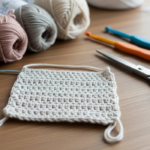
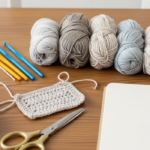
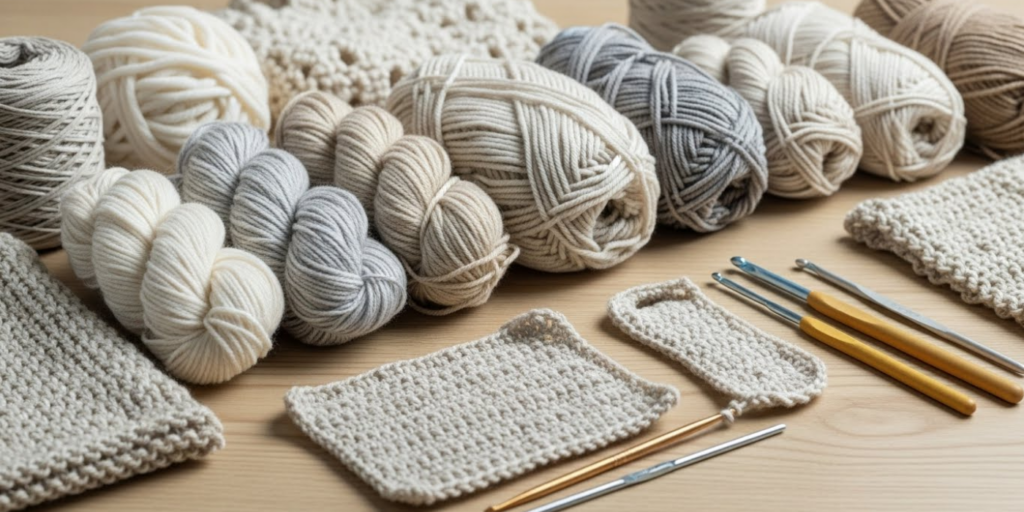
- Yarn Wraps or Swatch Kits: Small samples of different yarns let you test drape, stitch definition, and feel without committing to full skeins.
- Gauge Ruler or Needle/Hook Gauge Tool: Ensures accurate measurement of stitches per inch, critical when substituting yarns.
- Fiber Content Labels: Always check the ball band or manufacturer’s website for exact composition, yardage, and care instructions.
- WPI (Wraps Per Inch) Tool: A simple cardboard notch or ruler helps determine yarn weight when labels are missing.
- Swatching Notebook: Document your test swatches with notes on hook/needle size, tension, blocking results, and washing behavior.
- Online Databases: Resources like YarnSub.com or Ravelry’s yarn database allow you to compare similar yarns and read real-user reviews.
- Washing Machine & Drying Rack: Test how yarns behave post-wash—shrinkage, pilling, and color bleeding are best discovered early.
Having these on hand transforms yarn selection from guesswork into a precise, repeatable process.
Yarn Types and Fiber Considerations
Understanding fiber content is foundational to choosing the right yarn types for crochet and knitting projects. Fibers fall into three main categories: natural, synthetic, and blended. Each brings distinct properties to your work.
Natural Fibers
Wool: Sourced from sheep, wool is elastic, warm, and naturally water-resistant. Merino is ultra-soft and ideal for garments; Shetland offers rustic texture for traditional patterns. Superwash wool is treated to be machine-washable—a game-changer for baby items and busy makers. However, some people find non-superwash wool itchy, and it can felt if agitated in hot water.
Cotton: Breathable, absorbent, and cool to the touch, cotton is perfect for summer wear, dishcloths, and baby items. It lacks elasticity, so it can sag over time—look for mercerized cotton for added strength and sheen. Organic cotton is a popular choice for eco-conscious brands.
Linen & Hemp: These plant fibers are strong, durable, and get softer with each wash. They’re excellent for market bags, home decor, and warm-weather garments. However, they’re stiff at first and can be hard on hands during long sessions. Blends with cotton or bamboo improve workability.
Silk: Luxurious and lustrous, silk adds drape and sheen to shawls and evening wear. It’s strong but slippery, making it challenging for beginners. Often blended with wool or cashmere for balance.
Alpaca, Cashmere, Mohair: These luxury fibers offer exceptional softness and warmth. Alpaca is hypoallergenic and silky; cashmere is feather-light; mohair creates a fuzzy halo. They’re expensive and less durable alone, so often blended with wool for structure.
Synthetic Fibers
Acrylic: Affordable, widely available, and machine-washable, acrylic is a staple for beginners and mass-produced items. Modern versions mimic wool or cotton textures convincingly. However, low-quality acrylic can pill, trap odors, and melt under high heat. Look for premium lines like Lion Brand’s Wool-Ease Thick & Quick or Paintbox Simply DK for better performance.
Nylon: Often added to sock yarns (10–25%) for durability and elasticity. Rarely used alone in knitting/crochet due to its slickness.
Polyester: Used in blends for strength and wrinkle resistance. Recycled polyester (rPET) is gaining traction in sustainable yarns.
Bamboo & Tencel™ (Lyocell): Technically regenerated cellulose fibers, not synthetics. Bamboo is silky, breathable, and has natural antibacterial properties. Tencel™, made from eucalyptus, drapes beautifully and is produced in a closed-loop process. Both are excellent for drapey garments but can stretch if unsupported.
Blended Yarns
Most commercial yarns are blends designed to balance pros and cons. Examples:
- Wool-Acrylic: Combines warmth and elasticity with affordability and easy care.
- Cotton-Bamboo: Adds softness and drape to cotton’s structure.
- Merino-Nylon: Ideal for socks—soft yet durable.
When evaluating blends, consider the percentage breakdown. A 70% cotton / 30% acrylic blend behaves more like cotton, while 50/50 offers a true middle ground.
Skill Level Breakdown
Beginner
New crocheters and knitters should prioritize smooth, medium-weight (worsted or DK), non-splitting yarns in light colors. Why? Stitch visibility matters when learning. Acrylic or acrylic-cotton blends like Red Heart Super Saver or Bernat Super Value are forgiving, affordable, and widely available. Avoid fuzzy, slippery, or very thin yarns—they obscure stitches and frustrate learners. From teaching dozens of beginners, I’ve found that starting with a predictable yarn builds confidence faster than experimenting with exotics.
Intermediate
At this stage, makers can handle varied textures and weights. Try sport weight wool for sweaters, cotton for amigurumi, or bamboo for lightweight wraps. Experiment with subtle tweeds or heathers. Intermediate crafters benefit from understanding how fiber affects gauge—e.g., cotton’s lack of memory means swatching is non-negotiable. This is also the time to learn blocking techniques for different fibers.
Advanced
Experts leverage fiber knowledge for intentional design. They might choose undyed alpaca for its natural halo in a lace shawl, or linen for its crisp stitch definition in geometric motifs. Advanced makers often source yarns directly from indie dyers, understand dye lots, and substitute yarns confidently using WPI and yardage calculations. They also troubleshoot issues like pooling in variegated yarns or managing mohair’s fuzziness.
Step-by-Step Guide to Choosing the Right Yarn
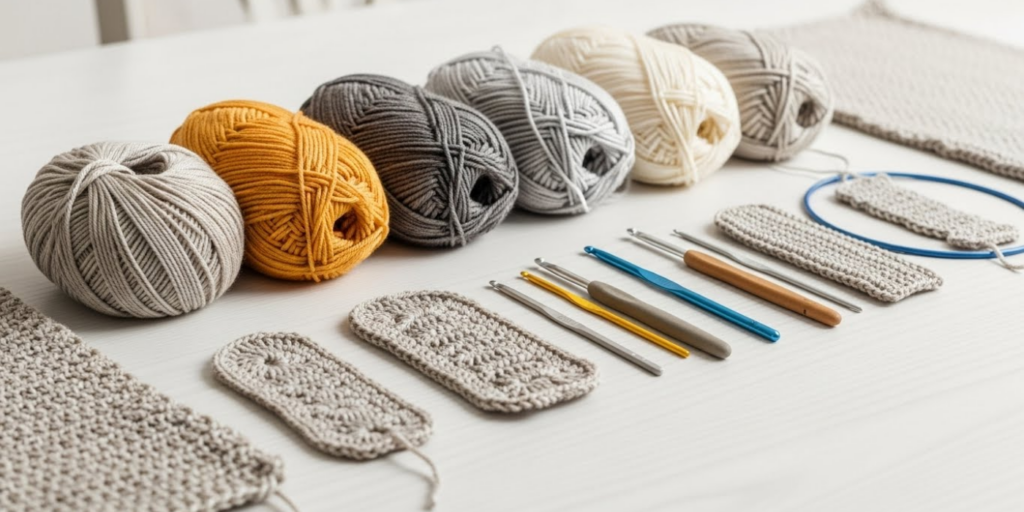
Follow this detailed process to match yarn to project every time:
Step 1: Define the Project’s Purpose
Ask: Who is it for? How will it be used?
- Baby blanket → soft, hypoallergenic, machine-washable (e.g., superwash merino or organic cotton).
- Market tote → sturdy, non-stretchy (e.g., 100% cotton or hemp blend).
- Winter scarf → warm, lofty (e.g., wool or alpaca blend).
Step 2: Determine Required Yarn Weight
Check your pattern’s recommended weight (lace, fingering, sport, DK, worsted, bulky, etc.). If designing your own, consider drape vs. structure:
- Delicate shawls → lace or fingering.
- Sweaters → DK to worsted for balance of warmth and stitch clarity.
- Rugs or baskets → super bulky or roving.
Use the Standard Yarn Weight System (CYCA) as a reference.
Step 3: Evaluate Fiber Needs
Match fiber properties to use case:
- High-wear items (socks, bags) → include nylon or polyester for durability.
- Summer tops → breathable fibers like cotton, linen, or Tencel™.
- Cold-weather gear → insulating fibers like wool or alpaca.
Step 4: Swatch Relentlessly
Knit or crochet a 6″x6″ swatch using your intended hook/needle size. Wash and block it exactly as you would the finished item. Measure gauge again—many fibers change dramatically post-wash (e.g., cotton grows, wool relaxes).
Step 5: Assess Color and Texture
Solid colors show stitch patterns best; variegated yarns can obscure cables or lace. For textured stitches (bobbles, popcorns), smooth yarns work better than fuzzy ones. If selling, consider current color trends—but timeless neutrals sell year-round.
Step 6: Calculate Yardage and Buy Extra
Always buy 10–20% more yarn than the pattern calls for. Dye lots vary, and running out mid-project is disastrous. For large items like blankets, buy all skeins at once.
Step 7: Verify Care Instructions
If the item will be gifted or sold, ensure the yarn’s care aligns with the recipient’s lifestyle. A hand-wash-only silk shawl won’t suit a college student.
Common Mistakes and How to Avoid Them
Even seasoned makers stumble on yarn selection. Here are frequent errors—and fixes:
Mistake 1: Ignoring Swatching
Skipping swatches leads to ill-fitting garments. Fix: Treat swatching as part of the project, not optional prep.
Mistake 2: Substituting by Weight Alone
Two worsted-weight yarns can behave wildly differently. Fix: Compare fiber content, yardage per skein, and WPI—not just the label category.
Mistake 3: Using Fuzzy Yarns for Amigurumi
Mohair or chenille hides facial features and stuffing. Fix: Stick to smooth cotton or acrylic for stuffed toys.
Mistake 4: Overlooking Drape
Stiff linen in a flowy dress = disappointment. Fix: Drape your swatch over your arm—does it flow or stand rigid?
Mistake 5: Buying Too Little Yarn
Dye lot mismatches ruin seamless projects. Fix: Buy extra, and store receipts in case you need to return unused skeins.
Mistake 6: Assuming “Natural = Better”
Not all natural fibers suit all projects. Unwashed wool can shrink; raw linen is harsh. Fix: Match fiber to function, not ideology.
Advanced Tips and Professional Insights
From years in the industry, here are nuanced strategies professionals use:
- Ply Matters: A 4-ply yarn is generally more durable than a single-ply of the same weight. Single-plys bloom beautifully but pill faster.
- Twist Direction: Most yarns are Z-twist (spun clockwise). Using an S-twist yarn (less common) can cause stitches to untwist—check if combining yarns.
- Dye Techniques: Hand-dyed variegated yarns can “pool” (create unintended color blocks). To control this, alternate skeins every two rows.
- Storage Wisdom: Store woolens with cedar blocks to deter moths; keep cotton in dry areas to prevent mildew.
- Eco-Certifications: Look for GOTS (Global Organic Textile Standard) for cotton, or Responsible Wool Standard (RWS) for ethical wool sourcing—key selling points for conscious consumers.
- Yarn Substitution Formula: When replacing yarn, match yardage per gram. Example: If original yarn has 100m/50g, your substitute should be close (±10%).
Experienced designers often recommend keeping a “yarn journal”—photos of swatches with notes on behavior after 5, 10, and 20 washes. This data is invaluable for product development.
Real-World or Hypothetical Examples
Consider “Luna’s Handmade,” a small Etsy shop specializing in newborn photo props. Initially, the owner used cheap acrylic, but customers complained about static and stiffness. After switching to 100% Pima cotton (softer, more breathable), reviews improved, and repeat orders increased by 40%. She now lists fiber content prominently and includes care cards—building trust.
Another example: A designer creating a winter market collection tested three bulky yarns for beanies—acrylic, wool-acrylic, and alpaca blend. The acrylic was cheapest but lacked loft. The alpaca was luxurious but stretched. The 80% wool / 20% acrylic blend offered warmth, structure, and machine-washability at a mid-tier price. It became her bestseller.
In a hypothetical scenario, imagine designing a yoga wrap. You’d reject wool (too warm) and acrylic (traps sweat). Instead, a 70% bamboo / 30% cotton blend provides breathability, drape, and moisture-wicking—perfect for active wear.
Customization and Adaptation Ideas
Once you understand yarn properties, customization becomes intuitive:
- For Sensory-Sensitive Users: Choose superwash merino or bamboo—no itch, no scratch.
- For Eco-Friendly Lines: Use recycled cotton, Tencel™, or GOTS-certified wool. Highlight this in your branding.
- For Luxury Gifts: Blend cashmere with silk for heirloom shawls; add metallic threads for holiday sparkle.
- For Durability: Add nylon to cotton for market bags, or use tightly spun acrylic for pet beds.
- Color Play: Use tonal yarns (subtle shade shifts) for complex stitches; bold variegated for simple textures like garter stitch.
You can also overdye undyed yarns for unique colorways—a popular tactic among indie sellers.
Care, Maintenance, or Best Practices
Proper care extends the life of handmade items and protects your reputation:
- Wool & Animal Fibers: Hand-wash in cold water with wool-safe detergent. Lay flat to dry. Never wring.
- Cotton & Linen: Machine-washable but may shrink. Wash in cold, reshape while damp.
- Acrylic: Can pill—turn items inside out before washing. Avoid high heat drying.
- Silk & Bamboo: Hand-wash gently; air dry away from sun to prevent fading.
- Blocking: Essential for lace (use rust-proof pins and blocking mats). Steam-blocking works for acrylic; wet-blocking for natural fibers.
Always include a care tag with your finished items—especially if selling. It shows professionalism and reduces customer service inquiries.
Monetization Opportunities
Deep knowledge of yarn types for crochet and knitting projects opens multiple revenue streams:
- Curated Yarn Kits: Pair patterns with perfectly matched yarns. Include care instructions and a branded tag.
- Educational Content: Sell eBooks like “Yarn Selection Masterclass” or host workshops on fiber properties.
- Consulting: Advise other makers on yarn sourcing for their product lines.
- Affiliate Marketing: Recommend trusted yarns with affiliate links (disclose transparently).
- Custom Blends: Partner with mills to create signature yarns for your brand—exclusive and high-margin.
- Subscription Boxes: Offer monthly yarn + pattern pairings based on seasonal needs (e.g., summer cotton, winter wool).
The key is positioning yourself as a knowledgeable guide—not just a seller. Share your testing process, swatch photos, and real-world results to build authority.
Frequently Asked Questions (FAQ)
Q1: What is the best yarn for beginners in crochet or knitting?
A: Smooth, medium-weight (worsted or DK) acrylic or acrylic-cotton blends in light solid colors. They’re affordable, easy to see stitches in, and forgiving of tension errors.
Q2: Can I substitute cotton yarn for wool in a sweater pattern?
A: Proceed with caution. Cotton lacks wool’s elasticity and memory, so the sweater may stretch and lose shape. Always swatch, wash, and measure gauge before committing.
Q3: What does “superwash” mean, and is it safe for babies?
A: Superwash wool is treated to be machine-washable without felting. It’s generally safe for babies, but verify it’s free from harsh chemicals (look for OEKO-TEX® certification).
Q4: How do I prevent acrylic yarn from pilling?
A: Choose premium acrylics with tight twists, avoid high agitation in washing machines, and turn items inside out before washing. Pilling is inevitable over time but slower in higher-quality yarns.
Q5: Are bamboo or Tencel™ yarns eco-friendly?
A: Tencel™ (Lyocell) is highly sustainable due to its closed-loop production. Bamboo can be eco-friendly if processed mechanically (not chemically), but check certifications to be sure.
Q6: What yarn weight is best for amigurumi?
A: Sport or DK weight cotton or cotton-acrylic blends. They provide firm tension for stuffing, clear stitch definition, and durability.
Conclusion
Mastering yarn types for crochet and knitting projects is more than a technical skill—it’s the foundation of beautiful, functional, and meaningful handmade creations. Whether you’re crafting for joy, building a small business, or designing patterns for others, your yarn choices reflect your values, expertise, and attention to detail. By understanding fibers, respecting their behaviors, and matching them intentionally to each project’s needs, you elevate your work from ordinary to exceptional. Start small: swatch one new yarn this week, note its qualities, and consider how it could bring a future idea to life. The world of yarn is vast and rich—dive in with curiosity, and let your next project be your best yet.

Emily Parker is a passionate crochet artist and creative storyteller. With years of experience turning simple yarn into beautiful, unique pieces, she loves sharing tips, tutorials, and inspiration with fellow crafters. Emily believes that crochet is more than a hobby it’s a way to express creativity, spread joy, and connect with people through handmade art.