Introduction
Choosing the right crochet pattern isn’t just about aesthetics—it’s the foundation of a successful, satisfying, and stress-free project. Whether you’re crafting a cozy blanket for a newborn, designing a market-ready accessory, or tackling your first lace shawl, the pattern you select directly impacts your experience, final outcome, and even your confidence as a maker. In today’s thriving handmade economy, where consumers increasingly value authenticity and craftsmanship, selecting an appropriate pattern is more than a personal choice—it’s a strategic decision that affects quality, efficiency, and marketability.
For beginners, the wrong pattern can lead to frustration and abandoned projects. For seasoned crocheters and small business owners, it can mean wasted materials, missed deadlines, or inconsistent product quality. That’s why understanding how to evaluate, match, and adapt crochet patterns to your goals, skill level, and resources is essential. This guide offers a comprehensive, step-by-step framework—grounded in real-world experience from working with independent designers, yarn shops, and handmade brands—to help you choose the right crochet pattern for any project, every time.
What This Topic Means for Crochet & Knitting Businesses
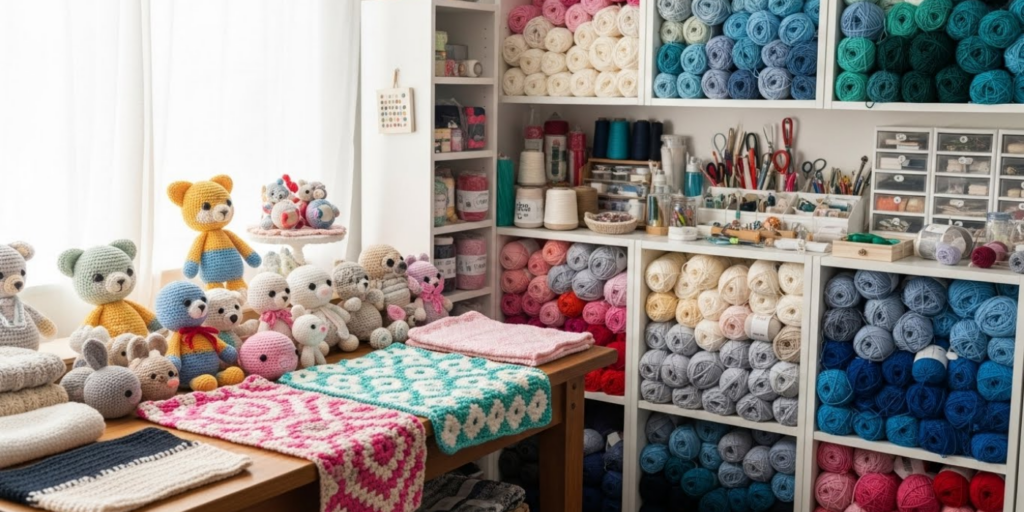
In the handmade marketplace, consistency, scalability, and customer satisfaction hinge on reliable pattern selection. From working with multiple crochet brands and indie designers over the past decade, I’ve observed that businesses that invest time in thoughtful pattern vetting consistently outperform those that don’t. A well-chosen pattern reduces production errors, minimizes material waste, and ensures that each item meets brand standards.
For example, many crochet businesses selling on Etsy or at craft fairs rely on repeatable, tested patterns that balance uniqueness with ease of replication. If a pattern is overly complex or poorly written, it slows down production and increases the risk of inconsistencies—especially when multiple makers are involved. Conversely, a clear, well-structured pattern with detailed stitch counts, row-by-row instructions, and gauge guidance enables faster turnaround and higher-quality output.
Moreover, choosing the right pattern aligns with customer expectations. Shoppers purchasing handmade goods often seek items that look professional yet retain a personal touch. A pattern that’s too basic may appear generic; one that’s too intricate might look uneven if not executed perfectly. The sweet spot lies in selecting patterns that showcase craftsmanship without compromising reliability—a balance that begins with intentional selection.
Why This Strategy Works Especially Well in the Crochet Community
The crochet community thrives on accessibility, creativity, and shared knowledge. Unlike some crafts that require expensive machinery or studio space, crochet needs only a hook, yarn, and a pattern. This low barrier to entry has fostered a global, diverse, and highly engaged maker base—from hobbyists to full-time artisans.
Because of this inclusivity, pattern literacy is critical. New crocheters often jump into projects without fully understanding terms like “gauge,” “yarn weight,” or “stitch multiples.” Experienced designers often recommend that learners start with patterns labeled “beginner” that include photo tutorials or video links. Meanwhile, advanced makers seek patterns that challenge technique while offering room for customization.
This strategy works because it respects the spectrum of skill and intention within the community. By teaching makers how to choose—not just follow—a pattern, we empower them to grow, avoid burnout, and produce work they’re proud of. In online forums, local guilds, and maker markets, this approach builds trust and encourages sustainable crafting habits.
Materials, Tools, or Resources Needed
Before even browsing patterns, gather the following essentials to ensure informed decision-making:
- A reliable measuring tape (for checking gauge and finished dimensions)
- Stitch markers (to track repeats, especially in complex motifs)
- Notebook or digital note-taking app (to record modifications, yarn substitutions, or troubleshooting notes)
- Yarn labels or swatch book (to reference fiber content, weight, and care instructions)
- Access to Ravelry, Etsy, or designer websites (for pattern sourcing and reviews)
- Basic understanding of standard crochet abbreviations (e.g., sc = single crochet, dc = double crochet)
Having these tools on hand streamlines the evaluation process. For instance, if a pattern calls for a specific yarn weight, you can quickly cross-reference your stash or local shop inventory. If a pattern lacks a gauge swatch instruction, you’ll know to proceed with caution or adjust accordingly.
Yarn Types and Fiber Considerations
Yarn isn’t just a material—it’s a design variable. The right fiber can elevate a simple pattern; the wrong one can ruin an otherwise perfect design.
Common Yarn Weights & Best Uses:
- Lace (0): Ideal for doilies, shawls, and delicate accessories. Requires fine hooks (steel or 1.5–2.25mm).
- Fingering/Sock (1): Great for lightweight garments, baby items, and textured stitches. Holds definition well.
- Sport (2) & DK (3): Versatile for amigurumi, light sweaters, and home decor. Balances drape and structure.
- Worsted/Aran (4): The most common weight for blankets, hats, and scarves. Easy to work with and widely available.
- Bulky (5) & Super Bulky (6): Perfect for quick projects like cowls, rugs, or statement pieces. Less stitch definition but fast results.
Fiber Characteristics:
- Cotton: Absorbent, sturdy, and breathable—ideal for dishcloths, summer wear, and baby items. Lacks elasticity, so tension matters.
- Wool: Elastic, warm, and forgiving. Excellent for garments and textured stitches. May felt if washed improperly.
- Acrylic: Affordable, durable, and machine-washable. Good for beginners and high-use items, but can pill over time.
- Bamboo/Viscose: Silky drape and sheen. Beautiful for shawls but slippery—best for intermediate+ crocheters.
- Blends: Combine benefits (e.g., wool-acrylic for warmth + washability). Always check care labels.
Experienced designers often recommend swatching with your chosen yarn before committing to a full project. A cotton worsted may behave very differently than a wool worsted, even at the same weight. This step prevents costly mistakes and ensures your finished piece matches the pattern’s intended look and function.
Skill Level Breakdown (Beginner / Intermediate / Advanced)
Understanding your current skill level—and honestly assessing it—is key to pattern success.
Beginner Patterns:
- Use basic stitches only (chain, slip stitch, single, double crochet)
- Work in straight rows or simple rounds
- Include full written instructions (no charts)
- Avoid shaping, color changes, or special techniques
- Often labeled “easy” or “quick make”
Example: A dishcloth using only single crochet with a border.
Intermediate Patterns:
- Incorporate stitch combinations (e.g., shell, puff, bobble)
- Include shaping (increases/decreases for garments)
- May use colorwork (stripes, intarsia) or simple motifs
- Might include written instructions + basic charts
- Require consistent tension and counting
Example: A textured baby blanket with alternating stitch patterns.
Advanced Patterns:
- Feature complex constructions (top-down sweaters, seamless garments)
- Use lace, cables, or Tunisian crochet
- Include detailed charts, schematics, and finishing techniques
- Assume mastery of foundational skills
- Often require precise gauge and blocking
Example: A fitted lace cardigan with set-in sleeves and button bands.
From working with multiple crochet brands, I’ve seen beginners attempt advanced patterns out of enthusiasm—only to abandon them halfway. There’s no shame in starting simple. Mastery builds confidence, which unlocks creative freedom later.
Step-by-Step Guide to Choosing the Right Crochet Pattern
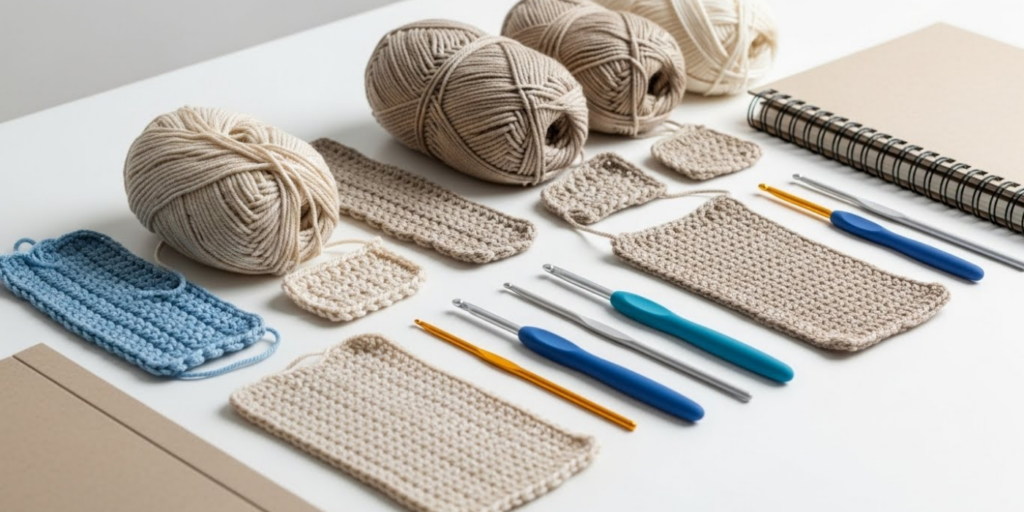
Follow this detailed, actionable process to select a pattern that aligns with your goals, skills, and resources.
Step 1: Define Your Project Purpose
Ask yourself:
- Is this a gift, personal use, or for sale?
- What’s the deadline? (e.g., baby shower in 3 weeks vs. holiday market in 6 months)
- What’s the budget for yarn and notions?
- Do you need it to be machine-washable or hypoallergenic?
Clarity here narrows your search dramatically.
Step 2: Assess Your Skill Level Honestly
Review recent projects. Can you comfortably:
- Read a written pattern without YouTube help?
- Maintain consistent tension over 50+ rows?
- Recognize and fix common mistakes (e.g., accidental increases)?
If unsure, choose a pattern one level below your perceived ability for important projects.
Step 3: Check Pattern Details Thoroughly
Look beyond the pretty photo. Examine:
- Skill level label (but verify with stitch list)
- Finished measurements (does it match your needs?)
- Gauge requirements (is swatching required?)
- Yarn specifications (brand, weight, yardage)
- Hook size (standard or unusual?)
- Techniques used (e.g., front post stitches, magic ring)
Patterns from reputable designers (e.g., on Ravelry with 50+ favorites) often include errata and support.
Step 4: Read Reviews and Comments
On Etsy or Ravelry, read what others say:
- “Had to frog three times due to unclear instructions.”
- “Perfect for beginners—great photos!”
- “Yardage was underestimated by 20%.”
Real user feedback reveals hidden pitfalls.
Step 5: Swatch with Your Chosen Yarn
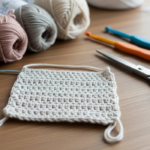
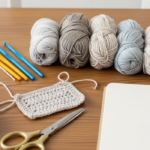
Even if the pattern doesn’t require it, make a 4″x4″ swatch. Wash and block it if the final item will be laundered. This confirms:
- Your gauge matches the pattern
- The fabric has the desired drape/stiffness
- The yarn behaves as expected
Skipping this step risks a misfit or disappointing texture.
Step 6: Evaluate Time Commitment
Estimate hours based on:
- Total stitches (more stitches = more time)
- Complexity (color changes slow you down)
- Your average speed (track with a timer on small projects)
Be realistic. A 10-hour blanket won’t get finished if you only have 30 minutes nightly.
Step 7: Confirm Resource Availability
Ensure you have:
- Enough yarn (buy 10–15% extra for safety)
- Correct hook size (including ergonomic options if needed)
- Stitch markers, tapestry needle, etc.
Running out mid-project disrupts momentum.
By following these steps, you transform pattern selection from guesswork into a strategic, confidence-building process.
Common Mistakes and How to Avoid Them
Even experienced crocheters fall into these traps. Awareness prevents frustration.
Mistake 1: Ignoring Gauge
Why it happens: “It’s just a blanket—I don’t need exact size.” Consequence: Blanket ends up too small for a bed, or uses 2x the yarn. Fix: Always swatch for wearable or size-critical items. Adjust hook size until gauge matches.
Mistake 2: Substituting Yarn Without Testing
Why it happens: “This acrylic looks similar to the recommended wool.” Consequence: Fabric is stiff instead of drapey; item pills after one wash. Fix: Match fiber type and weight. Swatch and launder as you would the final piece.
Mistake 3: Overestimating Skill Level
Why it happens: Enthusiasm overrides realism (“I’ll learn cables as I go!”). Consequence: Project abandoned, yarn wasted, confidence shaken. Fix: Practice new techniques on a small swatch first. Choose patterns that introduce one new skill at a time.
Mistake 4: Skipping the Full Pattern Read-Through
Why it happens: Excitement to start stitching. Consequence: Missing a crucial note on row 37 that changes everything. Fix: Read the entire pattern twice—once for overview, once for details—before chaining.
Mistake 5: Not Accounting for Yardage Variance
Why it happens: Assuming all “worsted weight” yarns have the same yardage per skein. Consequence: Running out of yarn two rows from finish. Fix: Calculate total yards needed. Compare to your yarn’s label. Buy extra.
Avoiding these errors saves time, money, and emotional energy—keeping your love for crochet alive.
Advanced Tips and Professional Insights
Go beyond basics with these industry-tested strategies.
Tip 1: Build a Pattern Library
Save PDFs of trusted patterns in folders by category (e.g., “Baby,” “Market Bestsellers,” “Lace”). Tag them with skill level, yarn used, and notes. This becomes invaluable for repeat production or seasonal collections.
Tip 2: Understand Pattern Writing Styles
Some designers write in US terms; others in UK. Some use charts; others prefer prose. Identify whose style resonates with you. Many top sellers on Etsy use consistent formatting—study theirs.
Tip 3: Leverage “Stitch Multiples”
Many patterns (especially blankets) require a foundation chain that’s a multiple of X + Y. Learn to calculate this so you can resize freely. Example: “Multiple of 6 + 2” means chains like 20, 26, 32, etc.
Tip 4: Modify for Efficiency
In production settings, experienced makers streamline steps:
- Join rounds with standing stitches to avoid tails
- Carry yarn up the side in striped projects
- Use continuous rounds instead of joining for tubes
These save minutes per item—hours over a batch.
Tip 5: Prioritize Testers’ Notes
Reputable designers share tester feedback. Look for comments like “Row 12 was confusing—we added a note.” This shows the pattern is refined and user-tested.
From working with multiple crochet brands, I’ve found that professionals treat patterns as living documents—they adapt, annotate, and optimize based on real-world use.
Real-World or Hypothetical Examples
Example 1: The Etsy Seller’s Dilemma
Maria sells crochet headbands. She chose a “beginner” pattern with popcorn stitches. But the instructions said “make popcorn,” assuming prior knowledge. Sales stalled because her first batches were inconsistent.
Solution: She switched to a pattern with step-by-step popcorn photos and practiced on scrap yarn. Quality improved, leading to 5-star reviews and repeat customers.
Example 2: The Gift Gone Wrong
James wanted to impress his sister with a lace shawl. He picked a stunning but advanced pattern with 12-page charts. Halfway through, he couldn’t decipher a symbol. The shawl sat unfinished for years.
Solution: Next time, he chose an intermediate lace pattern with both written and charted instructions—and watched a tutorial on the new stitch first. His sister cried when she received it.
Example 3: The Sustainable Maker
Lena avoids buying new yarn. She scans her stash, then searches Ravelry using “yarn weight” and “yardage” filters. She found a free pattern for a tote bag that used exactly 350 yards of her leftover cotton. Zero waste, beautiful result.
These stories highlight that the right pattern choice isn’t about complexity—it’s about alignment with your context.
Customization and Adaptation Ideas
Once you’ve mastered a pattern, make it your own.
Size Adjustments:
- For garments: Use the schematic to grade between sizes.
- For blankets: Add/subtract stitch multiples to change width.
- For amigurumi: Use a smaller hook for tighter stitches (safer for kids).
Color Play:
- Swap solid yarn for variegated to add interest without changing stitches.
- Use gradient kits for ombre effects in simple stitch patterns.
- Add contrasting borders or appliqués for visual pop.
Functional Tweaks:
- Add pockets to cardigans using the same stitch pattern.
- Line market bags with fabric for durability.
- Insert elastic in hat brims for better fit.
Experienced designers often recommend documenting your mods. You might create a bestseller—or at least a family heirloom.
Care, Maintenance, or Best Practices
Your finished item’s longevity depends on choices made during pattern selection.
- For baby items: Choose patterns that result in tight, non-shedding fabric. Avoid buttons (use snaps) and long fibers (choking hazard).
- For kitchenware: Select 100% cotton patterns with dense stitches (no holes for crumbs).
- For wearables: Ensure the pattern includes ease (extra room beyond body measurements). A snug sweater stretches out; a loose one sags.
- For gifts: Pick patterns with clear care instructions you can pass along (“Machine wash cold, lay flat to dry”).
Also, always weave in ends securely and block finished pieces. These steps transform “homemade” into “handcrafted.”
Monetization Opportunities
Choosing the right pattern is central to profitable handmade businesses.
Product Consistency
Reliable patterns ensure every item meets quality standards—critical for reviews and repeat sales.
Efficient Production
Simple, well-written patterns reduce labor time. A 10-minute decrease per item adds up fast at scale.
Niche Targeting
Select patterns that fill market gaps: adaptive clothing, pet accessories, eco-friendly home goods.
Digital Products
Once you’ve mastered adaptation, consider creating your own patterns. Start with variations of free ones (respecting copyright), then develop originals.
Many successful Etsy shops began by identifying a single, well-chosen pattern—like a reversible ear warmer—and iterating it into a full collection. The key is starting with a solid foundation.
Frequently Asked Questions (FAQ)
What is the easiest type of crochet pattern for beginners?
Beginner-friendly patterns use only basic stitches (chain, single, double crochet), work in straight rows or simple rounds, and avoid shaping or color changes. Dishcloths, scarves, and basic beanies are ideal starter projects.
How do I know if a crochet pattern is well-written?
A well-written pattern includes: clear skill level labeling, complete materials list, gauge information, row-by-row instructions, stitch explanations (or links to tutorials), and contact info for support. Positive reviews and frequent updates are also good signs.
Can I use a different yarn than the one recommended in the pattern?
Yes, but only if it matches the weight, fiber content, and yardage. Always swatch and check gauge, as substitutions can alter drape, size, and durability.
Why is gauge important in crochet patterns?
Gauge ensures your finished item matches the intended size and shape. Skipping it can result in a child-sized sweater for an adult or a blanket that’s too small for a bed.
How do I resize a crochet pattern?
For non-garment items (like blankets), adjust the foundation chain using the stitch multiple formula. For garments, use the pattern’s schematic and grading rules, or consult a resizing guide from the designer.
Where can I find free, reliable crochet patterns?
Trusted sources include Ravelry (filter by ratings), Yarnspirations (free patterns from major brands), and designer blogs with clear copyright terms. Avoid sites with excessive pop-ups or unclear authorship.
Conclusion
Choosing the right crochet pattern is both an art and a science—one that blends self-awareness, technical knowledge, and creative vision. It’s not about finding the “prettiest” design, but the one that aligns with your purpose, skill, timeline, and resources. By following the steps outlined in this guide—from defining your project goals to swatching with intention—you’ll avoid common pitfalls, reduce waste, and create pieces you’re truly proud of.
Whether you’re making a gift, building a handmade business, or simply enjoying quiet time with hook and yarn, thoughtful pattern selection transforms the process from stressful to joyful. Remember: every expert crocheter started with a single chain. Honor your journey by choosing patterns that support your growth, not hinder it.
So take a breath, review your stash, and pick a pattern that fits—not just your hook, but your heart. Happy crocheting.

Emily Parker is a passionate crochet artist and creative storyteller. With years of experience turning simple yarn into beautiful, unique pieces, she loves sharing tips, tutorials, and inspiration with fellow crafters. Emily believes that crochet is more than a hobby it’s a way to express creativity, spread joy, and connect with people through handmade art.