Introduction
If you’ve ever held a crochet hook and transformed yarn into something beautiful, you already possess a skill with serious commercial potential. The digital age has opened unprecedented doors for fiber artists, and selling crochet online in the United States is no longer just a side hustle—it’s a viable path to creative entrepreneurship. With platforms like Etsy, Shopify, Instagram, and TikTok, artisans can reach customers across all 50 states without ever renting a physical storefront.
But launching a successful online crochet business isn’t just about listing your handmade blanket on a marketplace and waiting for sales. It requires strategy, consistency, product-market alignment, and a deep understanding of both craft and commerce. This guide is designed specifically for beginners who are passionate about crochet but new to e-commerce. Whether you make amigurumi, wearables, home décor, or custom commissions, this comprehensive roadmap will walk you through every essential step—from sourcing ethical yarns to optimizing product photos for SEO.
Drawing from years of experience working with handmade brands, consulting independent designers, and analyzing what makes crochet shops thrive (or stall) online, this article delivers actionable, real-world advice. No fluff. No vague platitudes. Just proven methods that help you build a sustainable, scalable, and soulful business rooted in your craft.
What This Topic Means for Crochet & Knitting Businesses
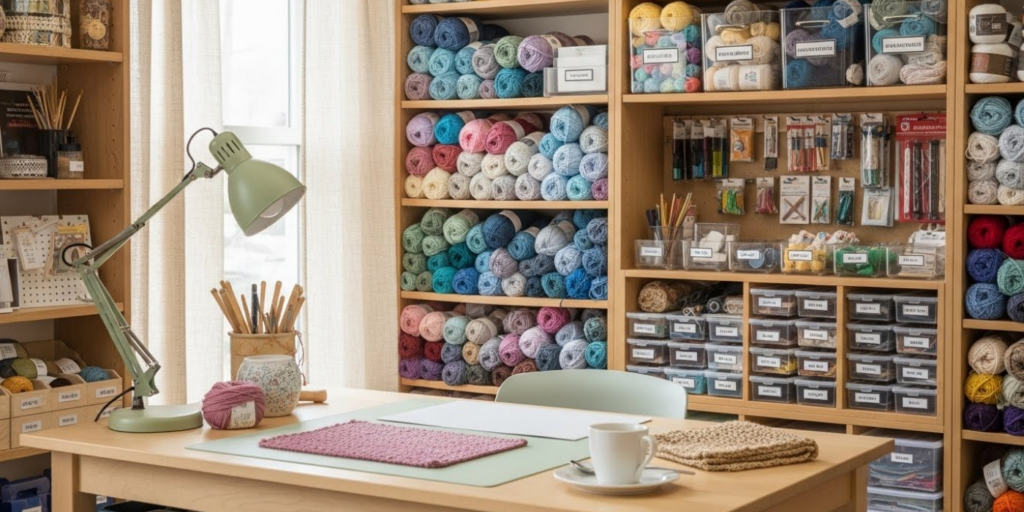
For decades, knitting and crochet were seen as domestic hobbies—quiet arts practiced at kitchen tables or community centers. But today, the handmade movement has evolved into a multi-billion-dollar sector of the U.S. economy. According to the Craft Yarn Council, over 38 million Americans engage in yarn crafts, and a growing number are turning their passion into profit.
Selling crochet online in the United States represents more than just income generation; it’s about reclaiming the value of slow, intentional making in a fast-fashion world. Consumers increasingly seek authenticity, sustainability, and personal connection—qualities inherently woven into handmade goods. A well-run online crochet shop doesn’t just sell products; it tells a story, builds community, and offers alternatives to mass-produced items.
From working with multiple crochet brands, I’ve observed that the most successful sellers share three traits: clarity of niche (e.g., “vegan baby booties” vs. “crochet stuff”), consistent visual branding, and customer-centric communication. These aren’t advanced marketing tactics—they’re foundational habits any beginner can adopt from day one.
Moreover, the low barrier to entry makes this model especially accessible. You don’t need inventory upfront if you work made-to-order. You don’t need a warehouse—you can ship from your dining room. And with free or low-cost digital tools, you can manage everything from accounting to social media scheduling without hiring a team.
In short, selling crochet online in the United States is not only feasible—it’s one of the most democratic forms of creative entrepreneurship available today.
Why This Strategy Works Especially Well in the Crochet Community
The crochet community thrives on generosity, mentorship, and shared knowledge. Unlike many competitive industries, crocheters often uplift one another—sharing patterns, troubleshooting stitches, and celebrating each other’s wins. This culture creates fertile ground for collaborative growth, which directly benefits online sellers.
First, social proof is built-in. When you post a finished project on Instagram or Ravelry, fellow crocheters engage, comment, and share. This organic amplification is invaluable for new shops lacking ad budgets. Many successful Etsy stores gained their first 100 sales purely through word-of-mouth within niche Facebook groups or Reddit threads like r/crochet.
Second, customization is expected. Unlike buying a sweater from a department store, customers purchasing handmade crochet items anticipate personalization—different colors, sizes, or embellishments. This expectation allows sellers to charge premium prices while delivering exactly what the buyer envisions. In many crochet businesses, over 60% of orders include some form of customization, which increases perceived value and reduces returns.
Third, the tactile nature of yarn goods lends itself to compelling visual storytelling. A video of soft merino wool being stitched into a cozy scarf performs exceptionally well on TikTok and Reels. Experienced designers often recommend filming your hands at work—close-ups of texture, stitch definition, and drape create emotional resonance that flat product photos can’t match.
Finally, seasonal demand cycles are predictable. Baby shower season (spring), holiday gifting (Q4), and wedding registries (summer) offer natural marketing hooks. By aligning your product launches with these rhythms, you tap into existing consumer intent rather than fighting for attention in a vacuum.
All these factors make selling crochet online in the United States uniquely suited to community-driven, content-first strategies that prioritize trust over hard selling.
Materials, Tools, or Resources Needed
Before listing your first item, gather these essential tools—not all are physical, but all are non-negotiable for a professional operation:
Digital Infrastructure
- E-commerce Platform: Start with Etsy (low barrier, built-in traffic) or Shopify (more control, higher setup cost).
- Business Email: Use a professional address (e.g., hello@yourshopname.com) via Google Workspace or Zoho Mail.
- Accounting Software: Free options like Wave or affordable plans like QuickBooks Self-Employed help track income/expenses.
- Photo Editing Tool: Canva (free tier) or Adobe Lightroom for color correction and background cleanup.
- Social Media Scheduler: Later or Buffer (free plans available) to maintain consistent posting.
Physical Supplies
- Quality Yarn: Source from reputable U.S. suppliers like WeCrochet, Lion Brand, or indie dyers on Etsy. Avoid unknown bulk imports that may shed or fade.
- Stitch Markers, Tapestry Needles, Scissors: Keep a dedicated “production kit” separate from your personal crafting supplies.
- Packaging Materials: Recycled mailers, branded stickers, thank-you notes. Eco-friendly options (compostable poly mailers) appeal to conscious buyers.
- Scale & Ruler: For accurate shipping calculations and product dimensions.
- Lighting Setup: A simple ring light ($20–$40) dramatically improves photo quality.
Legal & Administrative
- Business Structure: Most beginners operate as sole proprietors initially. Consider an LLC once monthly revenue exceeds $1,000 consistently.
- Sales Tax Permit: Required in most states if you have “nexus” (which includes storing inventory or exceeding sales thresholds). Use TaxJar or Avalara to automate compliance.
- Terms of Service & Privacy Policy: Generate free templates via Shopify’s policy generator or Termly.io.
Experienced designers often recommend starting lean—don’t invest in expensive equipment until you validate demand. Your first 10 sales should cost under $100 in total overhead.
Yarn Types and Fiber Considerations
The yarn you choose impacts not only aesthetics but also pricing, care instructions, and customer satisfaction. Here’s a breakdown of common fibers and their implications for online sellers:
Cotton
- Pros: Breathable, machine-washable, holds shape well. Ideal for dishcloths, summer garments, baby items.
- Cons: Can be heavy and less elastic. May stretch over time.
- Best For: Practical, everyday-use items. Brands like Lily Sugar’n Cream or WeCrochet’s Dishie are reliable and affordable.
Acrylic
- Pros: Budget-friendly, widely available, durable, easy-care. Great for beginners testing designs.
- Cons: Less breathable, can pill, and lacks the luxury feel of natural fibers.
- Best For: Amigurumi, toys, or budget-conscious lines. Red Heart Super Saver remains a staple, though consider upgrading to premium acrylics like Caron Simply Soft for better drape.
Wool (Merino, Alpaca, etc.)
- Pros: Warm, elastic, moisture-wicking, luxurious. Excellent stitch definition.
- Cons: Requires hand-washing (unless superwash), higher cost, potential allergen concerns.
- Best For: Winter accessories, heirloom pieces, high-end collections. Always label clearly if non-superwash.
Blends (Wool-Acrylic, Cotton-Bamboo)
- Pros: Balance performance and price. Bamboo adds sheen and softness; nylon adds durability.
- Cons: Care instructions vary—must specify washing guidelines per blend.
- Best For: Versatile garments like cardigans or shawls where drape matters.
From working with multiple crochet brands, I’ve seen returns spike when sellers use cheap acrylic for “luxury” scarves or fail to disclose fiber content. Transparency builds trust. Always list:
- Fiber composition (%)
- Yardage/weight
- Recommended hook size
- Care instructions (e.g., “Lay flat to dry”)
This information belongs in your product description—not buried in FAQs.
Skill Level Breakdown (Beginner / Intermediate / Advanced)
Not all crochet items are equal in complexity or marketability. Align your offerings with your current skill level to avoid burnout and ensure quality.
Beginner-Friendly Products (Start Here)
- Coasters & Dishcloths: Low material cost, quick turnaround, great for practicing tension.
- Simple Beanies: Basic stitches, minimal shaping. Use worsted weight for faster results.
- Keychains or Ornaments: Tiny projects that showcase technique without requiring hours of labor.
- Granny Squares: Can be sold individually or assembled later. Easy to batch-produce.
These items typically take under 2 hours to complete and use <$5 in materials—ideal for building confidence and cash flow.
Intermediate Projects (After 20+ Finished Items)
- Amigurumi: Requires consistent tension, stuffing precision, and embroidery skills.
- Garments (Tops, Cardigans): Involves gauge swatching, pattern adjustments, and fit considerations.
- Lace Shawls: Demands attention to detail and blocking expertise.
- Custom Pet Sweaters: Needs measurement-taking and client communication.
At this stage, focus on mastering one category before expanding. Specialization builds reputation.
Advanced Offerings (For Established Sellers)
- Tailored Wedding Sets: Veils, bouquets, guest favors—high emotional value, premium pricing.
- Modular Blankets with Custom Color Stories: Requires design software (like Excel or Stitch Fiddle) and client consultation.
- Licensed Character Replicas: Only pursue if you secure proper permissions (e.g., Disney requires official licensing).
Remember: Complexity doesn’t always equal profitability. A beginner-level beanie sold consistently at $28 with $4 materials yields better margins than an advanced lace shawl priced at $120 that takes 20 hours to make.
Step-by-Step Guide to Selling Crochet Online in the United States
Follow this detailed roadmap to launch your shop with confidence.
Step 1: Define Your Niche and Target Customer
Don’t sell “crochet.” Sell “organic cotton newborn hats for eco-conscious parents” or “chunky rainbow blankets for LGBTQ+ college grads.” Specificity attracts loyal buyers. Ask:
- Who struggles to find what I make?
- What problem does my product solve? (e.g., “soft enough for eczema-prone skin”)
- Where do they hang out online?
Step 2: Choose Your Sales Platform
- Etsy: Best for beginners. Built-in search traffic, easy setup, handles payments/tax collection. Downsides: fees (~6.5% + payment processing), crowded marketplace.
- Shopify: Full brand control, lower long-term fees, integrates with Instagram Shopping. Requires driving your own traffic.
- Instagram + Link-in-Bio: Works for limited drops or pre-orders. Use Beacons.ai or Linktree for clean presentation.
Most successful sellers start on Etsy, then migrate to Shopify once they hit $3K/month.
Step 3: Create a Cohesive Product Line
Launch with 3–5 SKUs max. Example:
- Beanie (3 color options)
- Matching Scarf
- Ear Warmer
- Gift Set (beanie + scarf bundle)
Avoid overwhelming yourself or confusing buyers. Use consistent naming: “Cloud Cotton Beanie – Sage.”
Step 4: Photograph Like a Pro
- Shoot in natural light (near a window, 10 AM–2 PM).
- Use a neutral backdrop (white poster board or light wood).
- Show scale: model wearing item or next to a coffee mug.
- Include 1 lifestyle shot (e.g., beanie on a snowy hike).
- Edit for brightness/contrast only—never alter colors.
Product photos are your #1 conversion tool. Invest time here.
Step 5: Write SEO-Optimized Listings
Your title should include:
- Primary keyword (“crochet beanie”)
- Key attributes (“chunky,” “winter,” “unisex”)
- Use case (“gift for her”)
Example: Chunky Crochet Beanie – Handmade Winter Hat for Women and Men – Soft Acrylic Beanie Gift
In description:
- First sentence: Hook + benefit (“Stay cozy all winter in this ultra-soft, hand-crocheted beanie…”)
- Bullet key features (material, size, care)
- Tell your story briefly (“Each hat is made by me in my Portland studio…”)
- Include secondary keywords naturally: “handmade crochet hat,” “warm winter beanie,” “custom color options”
Step 6: Set Realistic Pricing
Use this formula:
(Materials × 2) + (Time × Hourly Rate) + Platform Fees + Profit Margin
Example:
- Yarn: $4
- Time: 2 hours × $15 = $30
- Etsy fees: ~$3
- Total base: $37 → Round to $42
Never undervalue your labor. U.S. customers pay premiums for handmade quality.
Step 7: Launch and Promote
- Share on 3 relevant Facebook groups (read rules first!)
- Post a Reel showing your making process
- Offer a 10% discount for first 10 buyers (creates urgency)
- Ask friends to favorite your shop (boosts Etsy algorithm)
Step 8: Deliver Exceptional Customer Experience
- Ship within 3–5 business days
- Include a handwritten note
- Follow up with a thank-you email (use Mailchimp free plan)
- Respond to messages within 24 hours
Happy customers leave 5-star reviews—the #1 driver of new sales on Etsy.
Common Mistakes and How to Avoid Them
Even talented crocheters stumble when going pro. Here are frequent pitfalls—and fixes:
❌ Underpricing
Why it happens: Fear of scaring buyers or comparing to fast fashion.
Fix: Calculate true costs. If your beanie costs $35 to make ethically, charge $45–$55. Customers respect fair pricing.
❌ Inconsistent Photos
Why it happens: Using phone flash one day, natural light the next.
Fix: Create a mini photo studio: white foam board, clip lamp with daylight bulb, same camera angle.
❌ Ignoring Shipping Costs
Why it happens: Offering “free shipping” without baking it into price.
Fix: Either charge actual shipping OR increase product price to cover average cost (e.g., add $4.99 to every item).
❌ No Clear Policies
Why it happens: Assuming “everyone knows” return rules.
Fix: State clearly: “Made-to-order items are final sale. Ready-to-ship may be returned within 14 days unused.”
❌ Trying to Do Everything
Why it happens: Excitement leads to launching 20 products at once.
Fix: Master one product category. Expand only after achieving consistent sales.
In many crochet businesses, these small oversights erode profit margins and cause burnout within 6 months. Prevention is simpler than recovery.
Advanced Tips and Professional Insights
Once you’ve mastered basics, elevate your game:
Batch Production
Crochet multiple items in one sitting (e.g., 10 beanies in sage). Reduces setup time and mental load.
Build an Email List Early
Offer a free PDF (e.g., “5 Cozy Stitch Patterns”) in exchange for emails. Use ConvertKit or MailerLite. Email converts 3x better than social media.
Leverage User-Generated Content
Encourage buyers to tag you. Repost their photos (with credit). Social proof is gold.
Track Metrics That Matter
- Conversion rate (aim for 2–5% on Etsy)
- Average order value (increase via bundles)
- Customer acquisition cost (keep under 30% of product price)
Diversify Income Streams
- Sell digital patterns on Ravelry or LoveCrafts
- Offer virtual workshops via Zoom
- Create a Patreon for exclusive tutorials
Experienced designers often recommend treating your shop like a brand—not just a store. Every touchpoint (packaging, email tone, Instagram captions) should reflect your values.
Real-World or Hypothetical Examples
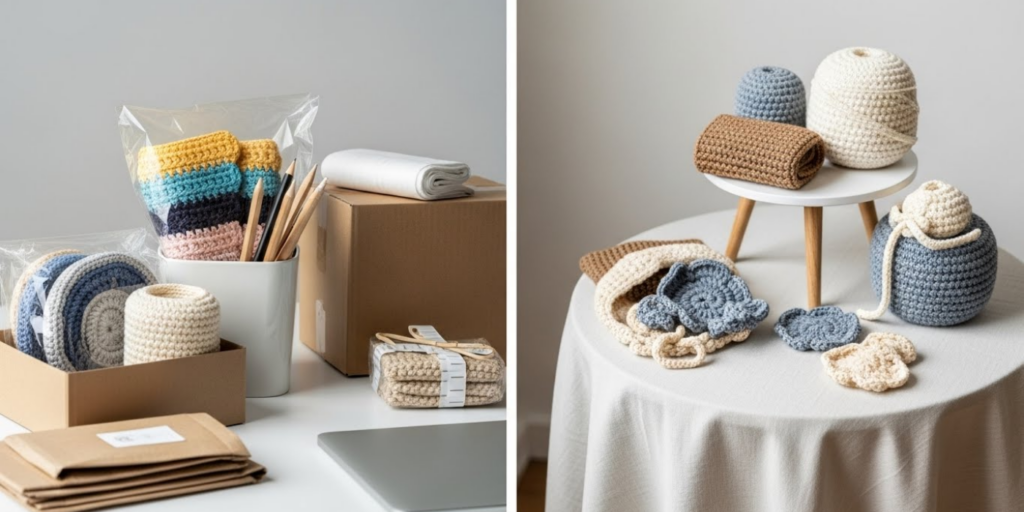
Consider “Meadow & Thread,” a hypothetical but realistic Etsy shop launched in 2024:
- Niche: Organic cotton baby items for minimalist parents
- Launch: 3 products—hat, booties, lovey blanket
- Pricing: $28–$42, using Oeko-Tex certified yarn
- Photos: Soft natural light, neutral linen backdrop, baby model (with permission)
- Marketing: Shared in “Simple Parenting” Facebook group, posted Reels of gentle unboxing
- Result: 87 sales in first 60 days, 4.9-star rating, featured in “Eco Baby Blog”
Key takeaway: They didn’t try to compete with big sellers. They solved a specific problem for a specific audience—with consistency and care.
Another example: “Pixel Pals Crochet” focuses solely on custom Nintendo-themed amigurumi. By targeting gaming conventions and subreddits, they built a cult following. Their secret? Limited monthly slots and a waitlist system that created scarcity.
These cases prove that selling crochet online in the United States succeeds not through volume, but through focused relevance.
Customization and Adaptation Ideas
Stand out by offering thoughtful personalization:
- Color Swatches: Let buyers choose from 6 curated palettes (not 50 random options).
- Monogramming: Add initials with surface crochet or embroidery.
- Size Adjustments: Offer petite/tall versions of garments.
- Gift Messaging: Include a free handwritten card upon request.
Avoid open-ended requests like “make whatever you want.” Instead, provide structured choices:
✅ “Select main color: Sage / Terracotta / Navy”
✅ “Add tassels? Yes / No”
This reduces decision fatigue for buyers and production chaos for you.
Seasonal adaptations also boost sales:
- Summer: Lightweight market bags, sun hats
- Fall: Pumpkin spice-themed coasters
- Holidays: Ornament sets with family names
Plan these 2–3 months ahead to capitalize on search trends.
Care, Maintenance, or Best Practices
Ensure your creations last—and your reputation does too:
Product Care Instructions
Always include a care tag or insert:
- “Hand wash cold, lay flat to dry”
- “Do not bleach or tumble dry”
- “Spot clean stuffed toys”
This reduces damage-related complaints.
Inventory Management
Track yarn stock in a simple spreadsheet:
- Yarn brand/color
- Quantity used per item
- Reorder threshold
Running out mid-order damages trust.
Burnout Prevention
- Set weekly making hours (e.g., 10 hrs max)
- Close shop during vacations
- Say no to custom requests outside your niche
Sustainable businesses prioritize the maker’s well-being.
Monetization Opportunities
Beyond direct sales, explore these ethical revenue streams:
- Digital Patterns: Once you’ve perfected a design, sell the PDF. Passive income with near-zero overhead.
- Workshops: Teach beginners via local libraries or online (charge $25–$50/session).
- Subscription Boxes: Curate monthly yarn + pattern kits (requires larger audience).
- Affiliate Marketing: Recommend tools you use (e.g., Furls hooks) with honest reviews.
Focus on one additional stream after hitting $1K/month in product sales. Diversification protects against platform algorithm changes.
Frequently Asked Questions (FAQ)
1. How much money can you make selling crochet online in the United States?
Earnings vary widely. Beginners average $200–$500/month part-time. Full-time sellers often earn $2,000–$8,000/month after 1–2 years. Success depends on niche, pricing, and consistency—not just skill.
2. Do I need a business license to sell crochet online?
It depends on your state and city. Most U.S. locations require a general business license for home-based operations. Check with your local county clerk. An LLC is recommended once you earn over $10K/year.
3. What crochet items sell best online?
Top sellers include: beanies, baby blankets, amigurumi, market bags, and seasonal décor (e.g., pumpkins, Christmas ornaments). Practical, giftable, and visually appealing items perform best.
4. How do I handle taxes when selling crochet online?
Track all income and expenses. Use accounting software to generate reports. Most states require sales tax collection if you exceed economic nexus thresholds (often $100K/year). File quarterly estimated taxes federally.
5. Can I sell items made from someone else’s crochet pattern?
Only if the pattern grants commercial use rights. Most indie designers allow it with credit; big publishers (e.g., Lion Brand) often restrict resale. Always verify before listing.
6. How long does it take to start making sales?
With optimized listings and basic promotion, many sellers get their first sale within 7–14 days. Consistent effort (daily engagement, new listings weekly) accelerates growth.
Conclusion
Selling crochet online in the United States is more than a trend—it’s a meaningful way to turn your craft into a livelihood while connecting with people who cherish handmade quality. The journey begins not with perfection, but with action: define your niche, create your first listing, photograph it well, and share it with intention.
Remember, every successful crochet entrepreneur started exactly where you are now—with a hook, some yarn, and the courage to try. Focus on serving your ideal customer, honor your time with fair pricing, and let your unique voice shine through every stitch.
The market is ready. Your hands are skilled. Now go build something beautiful—and profitable—that only you can make.

Emily Parker is a passionate crochet artist and creative storyteller. With years of experience turning simple yarn into beautiful, unique pieces, she loves sharing tips, tutorials, and inspiration with fellow crafters. Emily believes that crochet is more than a hobby it’s a way to express creativity, spread joy, and connect with people through handmade art.