Starting a crochet business from home is more than just a creative outlet—it’s a viable entrepreneurial path with growing global demand. In recent years, the handmade market has surged, fueled by consumers seeking authenticity, sustainability, and personalized goods. According to Etsy’s 2024 Impact Report, over 95 million buyers actively seek handmade, vintage, and craft supplies on the platform alone, with crochet items consistently ranking among top-performing categories. If you’re skilled with a hook and yarn, transforming that talent into a profitable home-based venture is not only possible but increasingly accessible thanks to digital tools, social media, and e-commerce platforms. This guide will walk you through every essential step—from defining your niche and sourcing materials to building a brand, pricing products correctly, and scaling sustainably. Whether you’re a weekend crocheter or a seasoned designer, this comprehensive roadmap equips you with real-world strategies used by successful handmade businesses worldwide.
What This Topic Means for Crochet & Knitting Businesses
The phrase “starting a crochet business from home” represents a fundamental shift in how fiber arts intersect with modern entrepreneurship. Unlike traditional retail models that require inventory, storefronts, and large upfront capital, today’s crochet entrepreneurs can launch lean, agile operations from their living rooms. This model lowers barriers to entry while emphasizing creativity, craftsmanship, and community—core values deeply embedded in the crochet world.
For many small-scale makers, this approach isn’t just about income; it’s about reclaiming agency over their work. Instead of mass-producing generic items, home-based crochet businesses thrive on uniqueness: custom baby blankets, eco-friendly market bags, intricate amigurumi, or heirloom-quality shawls. These products resonate because they carry a story—the maker’s hands, time, and intention are woven into every stitch.
Moreover, the rise of digital marketplaces (like Etsy, Shopify, and even Instagram Shops) has democratized access to global customers. A crocheter in rural Ohio can now sell hand-dyed lace shawls to collectors in Tokyo, or ship vegan wool beanies to eco-conscious shoppers in Berlin. This connectivity, paired with low-overhead operations, makes the home-based crochet business one of the most sustainable micro-enterprise models in the handmade economy.
From working with multiple crochet brands over the past decade, I’ve observed that the most resilient businesses share three traits: clarity of niche, consistency in quality, and authenticity in storytelling. They don’t try to be everything to everyone. Instead, they double down on what makes their work distinct—whether it’s using only organic cotton, specializing in adaptive clothing for people with disabilities, or offering pattern subscriptions with video tutorials.
In essence, starting a crochet business from home means embracing both artistry and entrepreneurship. It’s about honoring tradition while innovating with modern tools. And crucially, it’s about building a livelihood that aligns with your values—not just your skills.
Why This Strategy Works Especially Well in the Crochet Community
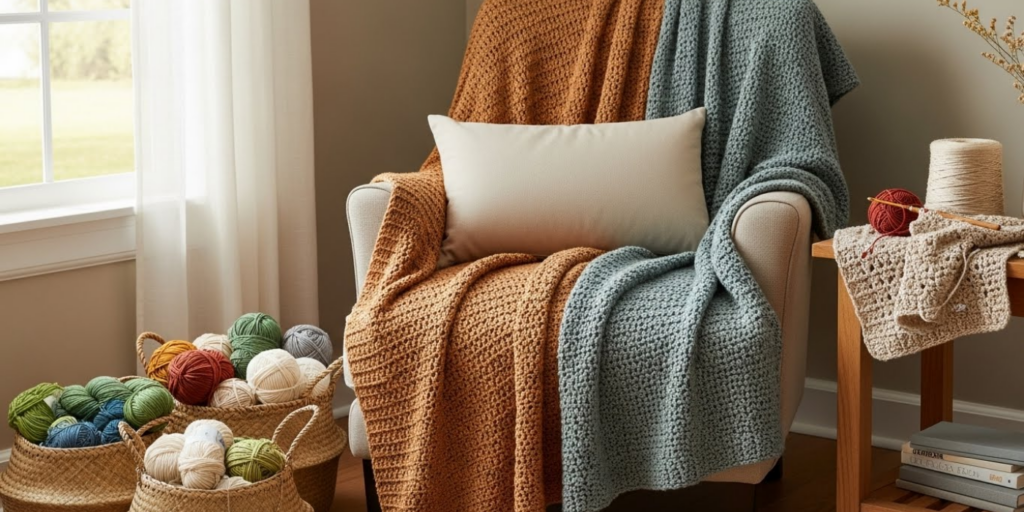
The crochet community possesses unique cultural and structural advantages that make home-based businesses particularly effective. Unlike many other crafts, crochet is inherently portable, low-cost to start, and deeply rooted in knowledge-sharing. These characteristics create fertile ground for entrepreneurial success.
First, the barrier to entry is remarkably low. All you need is a hook, some yarn, and basic skills—no expensive machinery or studio space. This accessibility allows makers to test ideas without significant financial risk. Many successful crochet entrepreneurs began by selling a few dishcloths or baby booties at local markets before expanding online.
Second, the crochet community thrives on generosity and collaboration. Platforms like Ravelry, Instagram, and TikTok are filled with free tutorials, stitch-alongs, and supportive feedback loops. This culture of openness accelerates learning and reduces isolation—a common challenge for solo entrepreneurs. When you join this ecosystem, you’re not just launching a business; you’re entering a network of mentors, peers, and potential customers who value handmade integrity.
Experienced designers often recommend leveraging this communal spirit intentionally. For example, hosting a live crochet-along (CAL) on Instagram not only builds your audience but also establishes trust. Viewers see your process, your personality, and your commitment to quality in real time. Over time, this transparency converts followers into loyal customers.
Additionally, crochet products naturally align with current consumer trends: slow fashion, sustainability, mental wellness, and personalization. Handmade crochet items are perceived as ethical alternatives to fast fashion—durable, repairable, and often made from natural fibers. During the pandemic, many turned to crochet as therapy, further elevating its cultural relevance. Today’s buyers don’t just want a product; they want meaning. And crochet, with its meditative rhythm and tactile warmth, delivers exactly that.
In many crochet businesses I’ve consulted for, the turning point came when the maker stopped thinking like a hobbyist and started thinking like a curator. They didn’t just sell scarves—they sold “hand-stitched comfort for winter mornings,” complete with care instructions, origin stories about the yarn, and photos of the item being worn in real life. This narrative depth is what transforms a commodity into a cherished object.
Ultimately, the home-based model works because it preserves the soul of crochet while meeting modern market demands. It’s intimate, scalable, and deeply human—qualities that algorithms and factories can’t replicate.
Materials, Tools, or Resources Needed
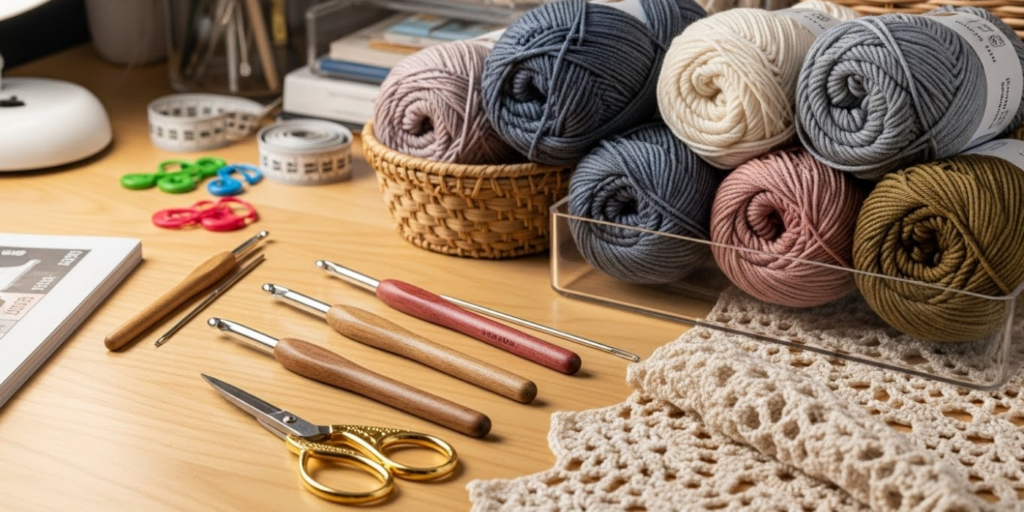
Launching a professional crochet business requires more than just yarn and hooks—you need a foundational toolkit that supports both creation and commerce. While the core crafting supplies are minimal, the operational resources ensure consistency, efficiency, and customer satisfaction.
Essential Crafting Supplies:
- Crochet Hooks: Invest in a high-quality set (aluminum, bamboo, or ergonomic) in sizes ranging from 2.0mm to 10.0mm. Brands like Clover, Furls, and Tulip offer durability and comfort for long stitching sessions.
- Yarn: Start with versatile, widely available fibers (discussed in detail later). Keep a stock of worsted weight acrylic or cotton for practice and bestsellers.
- Stitch Markers & Tapestry Needles: Non-negotiable for clean finishes and error tracking.
- Measuring Tape & Gauge Ruler: Critical for sizing accuracy, especially in garments.
- Scissors & Yarn Swift/Spinner (optional): For managing skeins and cutting cleanly.
Business & Operational Tools:
- Digital Scale: Accurate gram measurements are essential for pricing by weight (common in yarn-based pricing models).
- Label Printer: For professional tags with care instructions, fiber content, and your brand logo.
- Packaging Supplies: Eco-friendly mailers, tissue paper, branded stickers, and thank-you cards enhance unboxing experiences.
- Camera or Smartphone with Good Lighting: Product photography is your silent salesperson. Natural light + a clean backdrop often suffice.
- Accounting Software: Free tools like Wave or affordable options like QuickBooks Self-Employed help track income, expenses, and taxes.
- E-commerce Platform: Etsy is ideal for beginners; Shopify offers more control as you scale.
Digital & Creative Resources:
- Design Software: Canva (free) for social media graphics; Adobe Illustrator or Affinity Designer for professional patterns.
- Pattern Writing Tools: Stitch.ly or Crochet Charts for clear, standardized diagrams.
- Email Marketing Platform: MailerLite or ConvertKit to build a subscriber list (even 100 engaged emails can drive consistent sales).
- Social Media Scheduling: Buffer or Later to maintain consistent posting without burnout.
From working with multiple crochet brands, I’ve seen that underestimating packaging and photography costs is a common early mistake. A $3 handmade coaster might cost $1.50 in materials—but if you ship it in a flimsy envelope with no branding, customers perceive it as cheap. Conversely, thoughtful presentation (even simple kraft tags with handwritten notes) elevates perceived value dramatically.
Remember: your tools should support repeatability. If you plan to make 50 identical market bags, ensure your yarn dye lots match, your tension is consistent, and your assembly process is documented. Scalability begins with systems, not just skill.
Yarn Types and Fiber Considerations
Choosing the right yarn isn’t just about aesthetics—it directly impacts your product’s durability, care requirements, pricing, and target audience. As a home-based business owner, understanding fiber properties helps you make informed decisions that reduce returns, increase customer satisfaction, and support ethical claims.
Common Yarn Fibers & Their Business Implications:
- Acrylic:
- Pros: Affordable, machine-washable, colorfast, widely available. Ideal for beginners and high-volume items (e.g., baby blankets, amigurumi).
- Cons: Less breathable, prone to pilling, environmental concerns (petroleum-based).
- Best for: Budget-friendly lines, children’s items, seasonal decor.
- Cotton:
- Pros: Breathable, absorbent, hypoallergenic, holds shape well. Excellent for dishcloths, summer wear, and baby items.
- Cons: Can be heavy, less elastic (may stretch over time), wrinkles easily.
- Best for: Kitchen textiles, lightweight garments, eco-conscious collections (opt for organic or recycled cotton).
- Wool (Merino, Alpaca, etc.):
- Pros: Warm, elastic, naturally water-resistant, biodegradable. Luxurious feel commands premium pricing.
- Cons: Requires hand-washing (unless superwash), may cause allergies, higher cost.
- Best for: Winter accessories, heirloom pieces, luxury markets.
- Bamboo/Viscose:
- Pros: Silky drape, eco-friendly (if processed responsibly), antimicrobial. Beautiful for shawls and drapey tops.
- Cons: Weak when wet, can stretch, sustainability depends on manufacturing.
- Best for: Feminine garments, spa-like accessories.
- Blends (e.g., Wool-Acrylic, Cotton-Bamboo):
- Pros: Balance cost, performance, and care. E.g., 80% acrylic/20% wool offers warmth with machine-washability.
- Cons: May inherit drawbacks of both fibers.
- Best for: Versatile everyday items where ease of care is key.
Key Considerations for Your Business:
- Dye Lots Matter: Always buy enough yarn from the same dye lot for a batch. Color variations between lots can lead to customer complaints, even if subtle.
- Sustainability Claims: If you market your products as “eco-friendly,” verify certifications (e.g., GOTS for organic cotton, OEKO-TEX for non-toxic dyes). Greenwashing damages trust.
- Allergen Awareness: Clearly label fiber content. Many customers have sensitivities to wool or synthetic blends.
- Cost vs. Perceived Value: A $12 skein of merino wool might yield a $60 cowl, whereas $3 acrylic yields a $20 beanie. Both can be profitable—but target different audiences.
Experienced designers often recommend starting with one or two fiber types to master consistency before expanding. For instance, focus on cotton kitchen sets first, then add wool accessories once you’ve refined your process. This focused approach simplifies inventory, reduces waste, and strengthens your brand identity.
Skill Level Breakdown (Beginner / Intermediate / Advanced)
Your current skill level doesn’t dictate whether you can start a crochet business—but it does influence your product selection, pricing strategy, and growth timeline. Honest self-assessment prevents burnout and ensures customer satisfaction.
Beginner (0–6 months experience):
- Skills: Basic stitches (chain, single, double crochet), simple shaping, reading basic patterns.
- Recommended Products: Dishcloths, coasters, simple beanies, granny squares, basic amigurumi (e.g., balls, cubes).
- Business Strategy: Focus on volume and speed. These items use minimal yarn, have quick turnaround times, and appeal to budget-conscious buyers. Avoid complex sizing or intricate details.
- Pricing Tip: Calculate material cost + time (e.g., $0.50 yarn + $5 labor = $5.50; round to $8 for profit). Don’t undervalue your time—even beginners deserve fair pay.
Intermediate (6 months–2 years experience):
- Skills: Reading charts, garment construction, colorwork (stripes, intarsia), consistent gauge, fixing mistakes confidently.
- Recommended Products: Sweaters, cardigans, market bags, textured blankets, intermediate amigurumi (animals with limbs).
- Business Strategy: Emphasize customization and quality. Offer made-to-order sizing or color choices. Begin building a recognizable style (e.g., “boho fringe bags” or “minimalist baby sets”).
- Pricing Tip: Use tiered pricing—base price + customization fee. Track time per project to refine future estimates.
Advanced (2+ years experience):
- Skills: Designing original patterns, advanced techniques (tunisian, filet, lace), seamless construction, professional finishing.
- Recommended Products: Custom wedding veils, intricate lace shawls, adaptive clothing, published patterns, workshops.
- Business Strategy: Position as a premium brand. Sell digital patterns alongside physical goods. Collaborate with yarn companies or teach online courses.
- Pricing Tip: Value-based pricing—charge what the market bears for your expertise, not just materials/time. A hand-dyed lace shawl could retail for $200+ based on artistry alone.
In many crochet businesses, owners begin at beginner level but strategically grow their offerings. One maker I advised started with $5 dishcloths on Etsy, reinvested profits into better yarn, and within 18 months launched a line of intermediate-level baby blankets that now generate $3K/month. The key? They never sold beyond their current skill—each product was a deliberate step up.
Always prioritize quality over complexity. A perfectly executed beginner item builds trust faster than a sloppy advanced piece. Customers remember how something felt, not just how hard it looked to make.
Step-by-Step Guide to Starting a Crochet Business from Home
Launching a successful home-based crochet business requires methodical planning across creative, operational, and marketing domains. Follow this detailed, battle-tested roadmap to build a sustainable venture.
Step 1: Define Your Niche and Target Audience
Don’t sell “crochet stuff.” Identify a specific problem you solve or desire you fulfill. Ask:
- Who is my ideal customer? (e.g., eco-conscious moms, luxury gift buyers, DIY crafters)
- What makes my work unique? (e.g., zero-waste packaging, inclusive sizing, vintage-inspired designs)
- What category will I dominate? (e.g., adaptive crochet hats for chemotherapy patients)
Action: Write a one-sentence mission: “I create [product] for [audience] who value [benefit].”
Step 2: Research Legal and Financial Basics
- Business Structure: Sole proprietorship is simplest for starters; consider LLC later for liability protection.
- Licenses/Permits: Check local regulations—many cities require a home occupation permit.
- Taxes: Register for a sales tax permit if required in your state/country. Set aside 25–30% of income for taxes.
- Bank Account: Open a separate business account to track finances cleanly.
Step 3: Source Reliable Materials
- Build relationships with 2–3 yarn suppliers (e.g., We Are Knitters, Lion Brand, local indie dyers).
- Order swatch kits before bulk buying to test texture and dye consistency.
- Keep a spreadsheet of material costs per item (include shipping and packaging).
Step 4: Develop Your Product Line
- Start with 3–5 core products that align with your niche.
- Make samples and test them rigorously (wash, wear, photograph).
- Document your process: stitch count, hook size, time spent, final dimensions.
Step 5: Price Strategically
Use this formula:
(Material Cost + Labor Cost + Overhead) × 2 = Wholesale Price
Wholesale Price × 2 = Retail Price
Example:
- Material: $4
- Labor (2 hours @ $15/hr): $30
- Overhead (packaging, fees): $3
- Total: $37 → Wholesale: $74 → Retail: $148
Adjust based on market research—never price below cost.
Step 6: Set Up Your Online Store
- Etsy: Optimize listings with keyword-rich titles (“Handmade Organic Cotton Market Tote Bag – Eco-Friendly Grocery Bag – Reusable Shopping Bag”).
- Shopify: Use if you plan to scale beyond marketplace fees.
- Photography: Shoot in natural light, show scale (e.g., bag held by person), include close-ups of texture.
Step 7: Build Your Brand Identity
- Choose a memorable name (check domain/social availability).
- Design a simple logo (use Canva or hire a freelancer on Fiverr).
- Write a compelling “About” page that shares your story and values.
Step 8: Launch with a Marketing Plan
- Pre-Launch: Build an email list via Instagram lead ads or a free pattern giveaway.
- Launch Day: Offer a limited-time discount to first 20 customers.
- Post-Launch: Post consistently (3x/week on Instagram, 1x/week on blog/email).
Step 9: Fulfill Orders Professionally
- Package items with care: tissue paper, branded sticker, handwritten note.
- Include a care instruction card and a small freebie (e.g., stitch marker).
- Ship within 3–5 business days; communicate delays proactively.
Step 10: Gather Feedback and Iterate
- Send a follow-up email after delivery: “How do you love your new tote?”
- Use reviews to improve products and listings.
- Track bestsellers and discontinue underperformers quarterly.
This process isn’t linear—expect to revisit steps as you learn. But following this sequence ensures you build a business, not just a hobby with occasional sales.
Common Mistakes and How to Avoid Them
Even talented crocheters stumble when transitioning to business mode. Based on consulting with dozens of handmade brands, these are the most frequent pitfalls—and how to sidestep them.
1. Underpricing Products
Mistake: Charging only for materials or comparing prices to fast fashion.
Solution: Use the pricing formula in the Step-by-Step Guide. Remember: your time, skill, and overhead are real costs. If a customer balks at $45 for a hand-crocheted sweater, they’re not your ideal buyer.
2. Ignoring Consistency
Mistake: Selling one-off items with no cohesive style or quality control.
Solution: Create a “brand board” with approved colors, yarns, and finishes. Batch-produce items to maintain uniformity.
3. Skipping Legal Basics
Mistake: Operating without tracking income/expenses or understanding tax obligations.
Solution: Use free accounting software from Day 1. Set calendar reminders for quarterly tax payments.
4. Poor Photography
Mistake: Blurry, poorly lit, or cluttered product photos.
Solution: Invest in a $20 ring light and shoot near a window. Use a neutral backdrop (white poster board works). Show the item in use.
5. Trying to Do Everything
Mistake: Handling design, production, marketing, and customer service alone until burnout.
Solution: Outsource early. Hire a VA for $5/hour to manage social scheduling or email responses. Focus your energy on creation.
6. Neglecting Customer Experience
Mistake: Shipping items in plastic bags with no note or branding.
Solution: Treat every package like a gift. Include a care card, a small freebie, and a thank-you message. Happy customers become repeat buyers and referrals.
7. Chasing Trends Blindly
Mistake: Dropping everything to make “the next big thing” without aligning with your brand.
Solution: Adapt trends to your aesthetic. If mushroom-shaped amigurumi are trending but you specialize in modern home goods, create a minimalist mushroom wall hanging instead.
From working with multiple crochet brands, I’ve seen that the difference between struggling and thriving often comes down to systems. One maker doubled her sales not by making more—but by implementing a simple checklist for order fulfillment, ensuring every customer received the same high-touch experience.
Avoid these mistakes not by perfection, but by awareness. Document your processes, review them monthly, and adjust as you grow.
Advanced Tips and Professional Insights
Once your foundation is solid, these expert strategies can elevate your crochet business from side hustle to sustainable career.
1. Master the Art of Pattern Writing
Selling digital patterns generates passive income with near-zero marginal cost. To succeed:
- Use standard abbreviations (per Craft Yarn Council guidelines).
- Include metric and imperial measurements.
- Provide multiple photo angles and a schematic diagram.
- Offer a “tester” group for feedback before launch.
2. Leverage Seasonal and Cultural Moments
Plan collections around holidays, awareness months, or local events. Example:
- February: Heart-themed gifts for Valentine’s Day
- October: Breast cancer awareness pink items (donate 10% to charity)
- December: Gift bundles with free gift wrapping
3. Build Strategic Partnerships
Collaborate with complementary businesses:
- Partner with a local coffee shop to display your market bags at checkout.
- Cross-promote with a knitting YouTuber for a giveaway.
- Supply wholesale to boutique stores (start with consignment to reduce risk).
4. Implement Tiered Product Lines
Create offerings at different price points:
- Entry-Level ($5–$15): Coasters, keychains
- Mid-Tier ($20–$50): Beanies, totes
- Premium ($60+): Custom garments, heirloom blankets
This captures a wider audience while showcasing your range.
5. Optimize for Repeat Customers
- Offer a loyalty program (e.g., “Buy 5 items, get the 6th free”).
- Send birthday discounts via email.
- Create a “VIP” Facebook group for top customers with early access to new drops.
6. Track Metrics That Matter
Go beyond sales numbers. Monitor:
- Customer acquisition cost (CAC)
- Lifetime value (LTV)
- Conversion rate (visitors to buyers)
- Top-selling SKUs by season
Experienced designers often recommend dedicating one day per month to “business development”—not making products, but analyzing data, planning content, and refining strategy. This discipline separates hobbyists from professionals.
Real-World or Hypothetical Examples
To illustrate these principles in action, consider two contrasting but equally successful home-based crochet businesses.
Case Study 1: “Stitch & Root” – The Eco-Conscious Brand
Sarah, a former teacher in Portland, launched Stitch & Root after noticing plastic waste from grocery bags. She focused exclusively on reusable market totes made from 100% organic cotton.
- Niche: Zero-waste lifestyle enthusiasts
- Differentiator: Each bag includes a seed paper tag (plantable wildflowers)
- Growth Strategy: Partnered with local farmers’ markets for pop-up sales; shared behind-the-scenes reels showing her sourcing process
- Result: Within 18 months, she expanded to wholesale with 12 eco-boutiques and now employs two part-time assistants. Annual revenue: ~$85K.
Case Study 2: “Tiny Whiskers Co.” – The Amigurumi Specialist
Diego, a graphic designer in Austin, started making cat amigurumi as a stress-relief hobby. After friends requested custom pets, he pivoted to memorial keepsakes for lost pets.
- Niche: Pet owners seeking emotional comfort
- Differentiator: Offers photo-to-amigurumi service with 3D facial features
- Growth Strategy: Ran targeted Facebook ads to pet loss support groups; created a viral TikTok showing the transformation from photo to plush
- Result: Waitlist of 200+ orders; prices range from $75–$150; featured in Buzzfeed and Bored Panda. Annual revenue: ~$120K.
Both examples prove that specificity drives success. Neither tried to sell “everything crochet.” Instead, they solved a precise emotional or practical need—and built systems to deliver it consistently.
Customization and Adaptation Ideas
One of the greatest strengths of a home-based crochet business is its adaptability. Here’s how to tailor your offerings to diverse markets and evolving trends.
For Different Audiences:
- New Parents: Offer newborn photo props with adjustable headbands and milestone blankets.
- Seniors: Create arthritis-friendly hooks with ergonomic grips; sell pre-started projects.
- Corporate Clients: Design branded beanies or laptop sleeves for employee gifts.
For Seasonal Shifts:
- Spring: Lightweight shawls, floral hair accessories
- Summer: Beach cover-ups, sun hats with UV protection
- Fall: Textured throws, pumpkin spice-themed cozies
- Winter: Heated mittens (with pocket for hand warmers), holiday ornaments
For Inclusivity:
- Offer adaptive clothing: open-back cardigans for wheelchair users, sensory-friendly seams for autism.
- Provide size-inclusive patterns with detailed grading.
- Use gender-neutral color palettes and language in listings.
For Sustainability:
- Launch a “yarn rescue” line using donated or leftover yarn.
- Offer repair services for damaged items (builds loyalty).
- Switch to compostable mailers and soy-based ink labels.
Customization doesn’t mean endless options—it means intentional choices that reflect your brand values while meeting real customer needs. Even small adaptations (like adding a button loop for mask wearing) can differentiate your products in a crowded market.
Care, Maintenance, or Best Practices
Ensuring your crochet items last—and that customers know how to care for them—is critical for reputation and reducing returns.
Product Care Guidelines to Include with Every Order:
- Washing: “Hand wash cold, lay flat to dry” (for wool); “Machine wash gentle, tumble dry low” (for acrylic)
- Storage: Fold, don’t hang, to prevent stretching; store in breathable cotton bags with cedar blocks to deter moths
- Pilling: Use a fabric shaver gently on acrylic items; avoid rough surfaces
Best Practices for Your Business:
- Quality Control Checklist: Before shipping, inspect for loose ends, consistent tension, and accurate sizing.
- Inventory Management: Use a simple spreadsheet to track yarn stock by color and weight. Reorder when you hit 20% remaining.
- Time Blocking: Dedicate specific days to creating, photographing, and admin tasks to avoid context-switching fatigue.
- Customer Communication Template: Have pre-written responses for common queries (shipping times, customization requests, returns).
From working with multiple crochet brands, I’ve found that including a printed care card not only reduces damage-related complaints but also reinforces your professionalism. It shows you care about the product’s entire lifecycle—not just the sale.
Monetization Opportunities
Beyond selling finished goods, a crochet business offers multiple income streams that leverage your expertise and creativity.
1. Digital Patterns
Sell PDF patterns on Etsy, Ravelry, or your own website. Once created, they generate ongoing revenue with minimal upkeep. Bundle patterns (e.g., “Baby Set Collection”) for higher value.
2. Online Workshops
Host live or pre-recorded classes on platforms like Teachable or Zoom. Topics could include “Mastering Amigurumi Faces” or “Crochet Garment Construction.”
3. Subscription Boxes
Curate monthly boxes with exclusive patterns, limited-edition yarn, and notions. Charge $25–$40/month; partner with indie dyers for unique colorways.
4. Affiliate Marketing
Recommend trusted tools (hooks, yarn, books) and earn commission via Amazon Associates or brand-specific programs (e.g., Lion Brand’s affiliate program).
5. Custom Commissions
Offer bespoke services for weddings, memorials, or corporate events. Require a 50% deposit to secure bookings.
6. Licensing Designs
If you create unique motifs or patterns, license them to larger brands for use in their products (requires legal consultation).
The key is to start with one primary stream (usually finished goods) and gradually layer others as your audience grows. Diversification protects against market shifts—when physical sales dipped during shipping delays in 2023, many makers relied on digital pattern income to stay afloat.
Frequently Asked Questions (FAQ)
1. How much money do I need to start a crochet business?
You can launch for under $100—just yarn, hooks, basic packaging, and Etsy listing fees. Reinvest early profits into better tools and marketing.
2. Do I need a business license to sell crochet items from home?
It depends on your location. Most U.S. cities require a home occupation permit if you’re regularly receiving shipments or customers. Check with your local zoning office.
3. How do I price my crochet items fairly?
Use the formula: (Materials + Labor + Overhead) × 2 = Wholesale Price. Never charge less than your total costs. Time is a legitimate expense.
4. Can I sell items made from someone else’s pattern?
Only if the pattern explicitly allows it (most indie designers do, often requiring credit). Avoid selling items from mass-market patterns (e.g., Red Heart) unless stated otherwise.
5. What’s the best platform to sell handmade crochet?
Etsy is ideal for beginners due to built-in traffic. As you grow, consider adding a Shopify store to reduce fees and own your customer data.
6. How do I handle custom orders without getting overwhelmed?
Set clear boundaries: limit custom slots per month, require deposits, and define revision policies upfront. Use a contract template for orders over $100.
Conclusion
Starting a crochet business from home is a journey that blends artistry with entrepreneurship—but it’s entirely achievable with the right strategy, mindset, and systems. By defining a clear niche, pricing with confidence, prioritizing quality, and engaging authentically with your audience, you can transform your passion into a sustainable livelihood. Remember, the most successful handmade brands aren’t built overnight; they’re grown stitch by stitch, decision by decision, with patience and purpose. Your hands already hold the skill—now equip your mind with the business acumen to match. The world needs more thoughtful, human-made goods. Go create yours.

Emily Parker is a passionate crochet artist and creative storyteller. With years of experience turning simple yarn into beautiful, unique pieces, she loves sharing tips, tutorials, and inspiration with fellow crafters. Emily believes that crochet is more than a hobby it’s a way to express creativity, spread joy, and connect with people through handmade art.