Introduction
Choosing the right yarn for any crochet pattern is one of the most critical—and often overlooked—steps in the crafting process. Whether you’re a hobbyist making a cozy blanket or a professional designer launching a new collection, the yarn you select directly impacts drape, texture, durability, stitch definition, and even the final dimensions of your project. In many crochet businesses, mismatches between yarn and pattern lead to frustrated customers, returns, and damaged reputations. Yet, with so many fiber types, weights, textures, and brands available, it’s easy to feel overwhelmed. This guide cuts through the noise by offering a clear, step-by-step framework rooted in years of hands-on experience working with independent designers, yarn dyers, and handmade marketplaces. By the end, you’ll not only understand how to choose the right yarn for any crochet pattern—you’ll also know how to adapt patterns confidently when substitutions are necessary, avoid costly mistakes, and even turn your yarn knowledge into a monetizable skill.
What This Topic Means for Crochet & Knitting Businesses
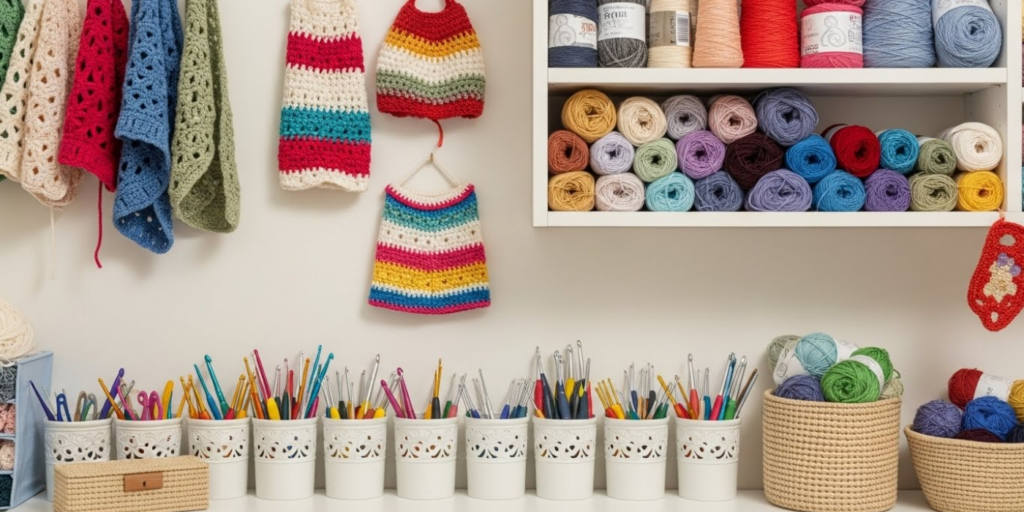
For small businesses in the handmade space—whether you sell finished goods, digital patterns, or curated yarn kits—yarn selection isn’t just about aesthetics. It’s a core component of product quality, customer satisfaction, and brand trust. From working with multiple crochet brands over the past decade, I’ve seen firsthand how inconsistent yarn choices can derail even the most beautifully written patterns. A customer who buys a shawl pattern expecting softness and drape but receives a stiff, scratchy result due to poor yarn guidance is unlikely to return. Conversely, when a business provides precise, thoughtful yarn recommendations—including alternatives for different budgets and sensitivities—it builds credibility and loyalty.
Moreover, detailed yarn guidance enhances SEO and content value. Blog posts like “Best Cotton Yarns for Summer Tops” or “Why Worsted Weight Works for Amigurumi” attract organic traffic because they solve real problems. These pieces become evergreen assets that support both educational outreach and sales funnels. In short, mastering yarn selection isn’t just craftsmanship—it’s smart business strategy.
Why This Strategy Works Especially Well in the Crochet Community
The crochet community thrives on creativity, personalization, and resourcefulness. Unlike industrial textile production, where materials are standardized, hand-crocheters often work with limited skeins, inherited stashes, or locally sourced fibers. This reality makes flexibility essential—but not at the expense of structure. Experienced designers often recommend teaching crocheters how to evaluate yarn, rather than just listing specific brands. This empowers makers to substitute intelligently while maintaining pattern integrity.
Additionally, the rise of indie dyers and sustainable fiber farms has expanded yarn options exponentially. Crocheters now seek not just beauty but ethical sourcing, biodegradability, and skin-friendly properties. A nuanced approach to yarn selection addresses these values, aligning with the community’s growing emphasis on mindful making. When you understand fiber behavior, weight systems, and gauge relationships, you transform from a passive follower of patterns into an active co-creator—exactly the mindset that fuels innovation in the handmade world.
Materials, Tools, or Resources Needed
Before diving into yarn selection, gather these essential tools and references:
- Yarn labels: Always keep them until your project is complete. They contain vital info on fiber content, weight, yardage, care instructions, and dye lot.
- Swatch ruler or measuring tape: Accurate gauge measurement is non-negotiable.
- Stitch markers: Helpful for marking swatch corners during blocking.
- Blocking mats and pins: Crucial for testing how yarn behaves after washing.
- WPI (wraps per inch) tool or pencil: For identifying mystery yarns.
- Digital scale: To weigh leftover yarn or verify skein accuracy.
- Pattern printout or digital copy: Highlight recommended yarn specs.
- Yarn substitution apps or databases (e.g., Yarndex, Ravelry’s yarn database): Useful for finding comparable alternatives.
Having these on hand ensures you make informed decisions—not guesses—when choosing the right yarn for any crochet pattern.
Yarn Types and Fiber Considerations
Understanding fiber content is foundational to successful yarn selection. Each fiber type brings unique properties that affect everything from stitch clarity to longevity.
Natural Fibers
- Wool: Elastic, warm, and resilient. Excellent for garments and textured stitches. Superwash wool is machine-washable but may lack the bounce of non-treated wool.
- Cotton: Inelastic and dense, with beautiful drape. Ideal for summer wear, dishcloths, and baby items. Can stretch over time, so consider mercerized cotton for better stitch definition.
- Linen and Hemp: Strong, absorbent, and get softer with washing. Perfect for lightweight shawls and market bags, but stiff initially.
- Silk: Luxurious sheen and drape, but slippery and expensive. Best blended with other fibers for manageability.
- Alpaca: Softer than wool and warmer, but lacks elasticity. Often blended with wool to prevent sagging.
Synthetic Fibers
- Acrylic: Affordable, durable, and colorfast. Great for beginners and charity projects. Modern premium acrylics mimic natural fibers closely.
- Nylon: Adds strength and elasticity. Common in sock yarns.
- Polyester: Often used in blends for durability and wrinkle resistance. Can feel plasticky if low-quality.
- Bamboo (rayon): Silky, breathable, and eco-friendly (though processing varies). Drapes beautifully but pills easily.
Blends
Most commercial yarns are blends (e.g., 80% acrylic/20% wool), combining benefits while mitigating drawbacks. Always check the label—50/50 cotton/acrylic gives you cotton’s breathability with acrylic’s stability.
When selecting yarn for a pattern, ask: What function does this item serve? A baby blanket needs softness and washability; a market tote requires strength and minimal stretch. Match fiber properties to purpose.
Skill Level Breakdown
Beginner
New crocheters should prioritize smooth, medium-weight (worsted or DK) yarns in solid or semi-solid colors. Textured or fuzzy yarns hide mistakes but also obscure stitch definition, making it harder to learn. Acrylic or cotton blends are forgiving, affordable, and widely available. Avoid slippery fibers like silk or fine lace-weight yarns until tension control improves.
Intermediate
At this stage, experiment with fiber variety and texture. Try wool for sweaters, cotton for home goods, or bamboo for drapey accessories. Learn to read yarn labels critically and adjust hook size based on swatching. Start exploring substitutions using WPI and gauge comparisons.
Advanced
Seasoned crocheters can confidently tackle any fiber, including novelty yarns (bouclé, ribbon, eyelash) and delicate lace weights. They understand how blocking transforms fibers and can reverse-engineer patterns for custom yarns. Many develop signature palettes or source undyed yarns for hand-dyeing, turning yarn choice into part of their artistic identity.
Step-by-Step Guide: How to Choose the Right Yarn for Any Crochet Pattern
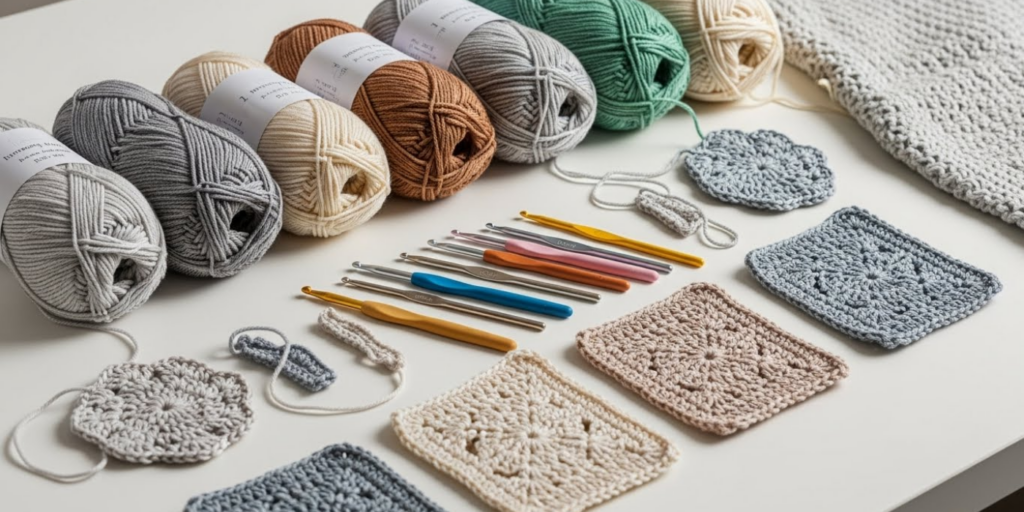
Follow this detailed, actionable process every time you begin a new project.
Step 1: Analyze the Pattern Requirements
Start by reading the entire pattern—not just the materials list. Note:
- Recommended yarn weight (e.g., “#4 Worsted”)
- Fiber suggestions (e.g., “100% cotton”)
- Yardage needed
- Finished measurements
- Intended use (e.g., “wearable shawl,” “stuffed toy”)
Patterns from reputable designers include these details for a reason. Ignoring them risks poor results.
Step 2: Understand Yarn Weight Standards
The Craft Yarn Council’s standard yarn weight system (0–7) is your anchor:
- 0 – Lace: <16 WPI
- 1 – Super Fine: 14–16 WPI
- 2 – Fine (Sport): 12–14 WPI
- 3 – Light (DK): 11–12 WPI
- 4 – Medium (Worsted): 9–11 WPI
- 5 – Bulky: 7–9 WPI
- 6 – Super Bulky: 5–7 WPI
- 7 – Jumbo: <5 WPI
If your pattern calls for “#4 Worsted,” don’t substitute with #3 or #5 unless you’re prepared to recalculate gauge and yardage.
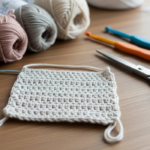
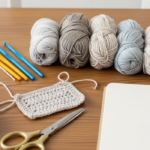
Step 3: Swatch—Don’t Skip This!
Make a swatch at least 5″ x 5″ using the recommended hook size. Measure your gauge before and after blocking. If your stitches per inch don’t match the pattern, adjust your hook:
- Too loose? Go down a size.
- Too tight? Go up a size.
Remember: Gauge affects fit and yarn consumption. A sweater off by 10% in gauge could be unwearable.
Step 4: Evaluate Drape and Texture
Hold your swatch vertically. Does it flow softly (good for shawls)? Or stand stiffly (better for baskets)? Rub it against your cheek—is it scratchy? Compare to the pattern photo. If the original uses a lofty wool and you substitute with dense cotton, the drape will differ dramatically.
Step 5: Check Yardage and Dye Lots
Calculate total yardage needed. If substituting, ensure your chosen yarn has equal or greater yardage per skein. Always buy extra—dye lots vary, and running out mid-project is disastrous. For large projects, purchase all skeins at once.
Step 6: Test Washability
Wash and block a swatch as you would the finished item. Does it shrink? Bleed color? Become limp? These tests prevent heartbreak later.
Step 7: Document Your Choices
Keep a project journal noting yarn brand, color, lot number, hook size, and gauge. This builds your personal reference library for future substitutions.
Common Mistakes and How to Avoid Them
Even experienced crocheters fall into these traps:
Mistake 1: Ignoring Fiber Behavior
Using 100% cotton for a fitted sweater without accounting for its lack of elasticity leads to sagging.
Fix: Blend cotton with a bit of wool or nylon, or choose a looser fit.
Mistake 2: Substituting by Color Alone
Matching hue but ignoring weight or fiber creates mismatched texture and gauge.
Fix: Prioritize weight and fiber first, then color.
Mistake 3: Skipping the Swatch
“I always crochet tight/loose” isn’t enough. Tension varies by fiber and mood.
Fix: Swatch every time, especially for garments.
Mistake 4: Buying Just Enough Yarn
Dye lots change. One extra skein saves you from frogging or mismatched panels.
Fix: Buy 10–15% more than required.
Mistake 5: Assuming “Worsted” Means Universal
Not all worsted-weight yarns are equal. Some are plump; others are flat.
Fix: Compare WPI and yardage per 100g.
Advanced Tips and Professional Insights
From years of consulting for indie yarn brands and teaching masterclasses, here are insider strategies:
- Use the “Ply Illusion” Wisely: Multi-ply yarns (e.g., 4-ply) resist pilling better than single-ply, even at the same weight. For high-wear items like socks, choose multi-ply.
- Embrace “Near Misses”: A yarn slightly lighter than recommended can work if you go down a hook size—often yielding finer detail in lace or amigurumi.
- Leverage Local Climate: In humid climates, cotton and linen breathe better than wool. In dry cold, wool’s moisture-wicking shines.
- Consider Stitch Pattern: Cable or brioche stitches need elastic fibers like wool. Simple stitches (dc, sc) tolerate stiffer fibers like cotton.
- Batch-Dye Consistency: When selling kits, request dyers to dye all skeins in one batch to minimize variation.
Experienced designers often recommend building a “yarn library”—small samples of different fibers labeled with performance notes. Over time, this becomes an invaluable substitution guide.
Real-World or Hypothetical Examples
Example 1: The Amigurumi Dilemma
A designer releases a bunny pattern calling for a smooth, tightly spun #4 acrylic. A maker substitutes a fluffy chenille yarn. Result? No facial features visible, floppy ears.
Solution: Stick to smooth, non-textured yarns for amigurumi. Use cotton or premium acrylic for crisp stitches.
Example 2: The Sweater That Grew
A crocheter used 100% cotton for a cropped sweater. After washing, it stretched 3 inches longer.
Solution: Either blend with elastic fiber or choose a boxier silhouette that accommodates stretch.
Example 3: The Scarf That Pilled
A luxury-looking bamboo scarf developed pills after two wears.
Solution: Bamboo is beautiful but fragile. For high-friction items, blend with nylon or choose Tencel™ instead.
These scenarios underscore why fiber knowledge matters beyond aesthetics.
Customization and Adaptation Ideas
Once you master yarn selection, customization becomes second nature:
- Colorwork Projects: Use tonal variegated yarns for subtle depth without pooling.
- Eco-Conscious Swaps: Replace conventional acrylic with recycled polyester or organic cotton.
- Texture Play: Combine two similar-weight yarns (e.g., wool + mohair) held together for halo effect.
- Budget Hacks: Use a luxury yarn for accents (collars, cuffs) and affordable base for body.
- Seasonal Adjustments: Swap wool for linen in summer versions of winter patterns.
The key is maintaining consistent gauge and drape. Always swatch combinations.
Care, Maintenance, or Best Practices
Proper care extends your project’s life and validates your yarn choice:
- Wool: Hand-wash in cool water, lay flat to dry. Avoid agitation to prevent felting.
- Cotton: Machine-washable but reshape while damp to prevent stretching.
- Acrylic: Can handle machine drying but may pill. Use a gentle cycle.
- Silk/Bamboo: Hand-wash only. Never wring—roll in towel to remove moisture.
- Storage: Keep in breathable cotton bags with cedar blocks. Avoid plastic, which traps moisture.
Always follow the yarn label’s care instructions—even if the pattern doesn’t specify. Educate your customers or gift recipients on care to ensure satisfaction.
Monetization Opportunities
Your expertise in yarn selection can generate income beyond finished goods:
- Yarn Consultation Services: Offer personalized substitution advice for complex patterns.
- Digital Guides: Create PDFs like “Yarn Substitution Cheat Sheet” or “Fiber Guide for Beginners.”
- Curated Kits: Pair patterns with perfectly matched yarns, including alternatives for sensitivities.
- Workshops: Teach live or recorded classes on yarn evaluation and swatching.
- Affiliate Content: Review yarns honestly on your blog or YouTube, linking to trusted retailers.
In many crochet businesses, these educational products build authority and recurring revenue. Customers pay for confidence—they want to know their time and money won’t be wasted on failed projects.
Frequently Asked Questions (FAQ)
Q1: Can I use a different yarn weight than the pattern suggests?
A: Yes, but you must adjust hook size and recalculate gauge. Changing weight alters drape, size, and yardage. Always swatch.
Q2: What’s the best yarn for sensitive skin?
A: Look for superwash merino wool, bamboo, or premium acrylic labeled “hypoallergenic.” Avoid coarse wools and scratchy blends.
Q3: How do I substitute yarn if the original is discontinued?
A: Use Ravelry’s yarn database or Yarndex to find matches by weight, fiber, and yardage. Swatch rigorously.
Q4: Does yarn dye lot really matter?
A: Absolutely. Even slight color variations become obvious in large projects. Buy all skeins from the same dye lot.
Q5: Why does my cotton project keep stretching?
A: Cotton lacks elasticity. Block aggressively, choose tighter stitches, or blend with a synthetic fiber for stability.
Q6: What yarn is best for amigurumi?
A: Smooth, tightly spun #4 acrylic or cotton. Avoid textured or fuzzy yarns that obscure details.
Conclusion
Choosing the right yarn for any crochet pattern is equal parts science and art. It requires understanding fiber properties, respecting gauge, and anticipating how a material will behave over time. But with the structured approach outlined here—analyzing pattern needs, swatching diligently, testing care routines, and learning from real-world examples—you’ll eliminate guesswork and elevate every project. Whether you’re crafting for joy, gifting, or business, your yarn choices reflect your expertise and care. Start applying these principles today, and you’ll not only create better pieces—you’ll build trust, reduce waste, and deepen your connection to the craft. Happy crocheting!

Emily Parker is a passionate crochet artist and creative storyteller. With years of experience turning simple yarn into beautiful, unique pieces, she loves sharing tips, tutorials, and inspiration with fellow crafters. Emily believes that crochet is more than a hobby it’s a way to express creativity, spread joy, and connect with people through handmade art.