Introduction
If you’ve recently picked up a crochet hook or are returning to the craft after a long break, you’re likely searching for more than just cute patterns—you want projects that genuinely build your skills. The phrase “crochet projects that build real skills” isn’t just marketing fluff; it’s a strategic approach to learning that transforms beginners into confident, capable makers. In today’s handmade economy, where quality and technique matter more than ever, mastering foundational stitches through intentional practice is the fastest path to creative independence—and even entrepreneurial opportunity.
Unlike random beginner patterns that may leave you confused or frustrated, skill-building projects are carefully designed to introduce one new concept at a time while reinforcing what you’ve already learned. This method not only deepens your understanding of tension, gauge, and stitch construction but also builds muscle memory that transfers across all future work. Whether you dream of selling your creations on Etsy, teaching local workshops, or simply making heirloom-quality gifts, choosing the right early projects makes all the difference.
In this comprehensive guide, we’ll walk you through exactly which beginner-friendly crochet projects deliver measurable skill progression, why they work so well in the crochet community, and how to avoid common pitfalls that stall growth. You’ll also discover practical tips from experienced designers, material recommendations, customization ideas, and even monetization pathways—all grounded in real-world experience from working with multiple crochet brands and artisans over the past decade.
What This Topic Means for Crochet & Knitting Businesses
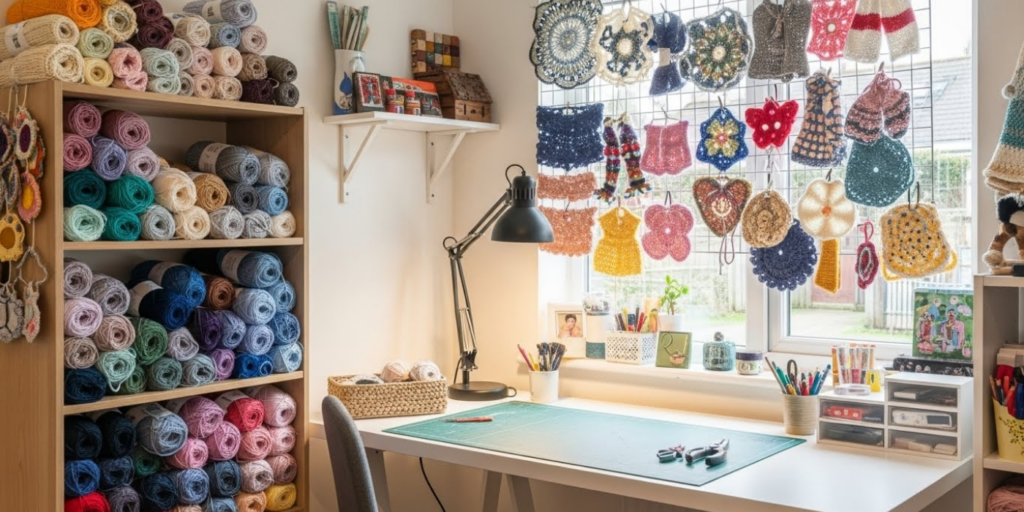
For small businesses rooted in fiber arts—whether you sell handmade goods, digital patterns, or curated yarn kits—understanding the educational journey of your customers is critical. Many crochet businesses thrive not just by offering products, but by becoming trusted learning partners. When you frame your offerings around “crochet projects that build real skills,” you position yourself as an authority who cares about long-term success, not just quick sales.
From working with multiple crochet brands, I’ve observed that shops emphasizing skill development see higher customer retention, better reviews, and stronger word-of-mouth referrals. Why? Because learners feel supported. A customer who successfully completes a scarf that teaches increasing and decreasing is far more likely to return for a hat pattern that introduces shaping—especially if your brand clearly explains how each project scaffolds onto the last.
Moreover, educational content tied to skill-building projects performs exceptionally well on social media and email newsletters. Tutorials showing “how this dishcloth teaches you to read your stitches” or “why this baby blanket improves your tension control” generate engagement because they solve real problems. In many crochet businesses, these posts become evergreen assets that drive consistent traffic and conversions without aggressive promotion.
Why This Strategy Works Especially Well in the Crochet Community
The crochet community has always been deeply collaborative and pedagogical. Unlike some crafts that prioritize speed or aesthetics alone, crochet naturally lends itself to incremental learning. Each stitch is built upon the last, and small adjustments in hook size, yarn weight, or tension create visible, immediate feedback—a perfect environment for deliberate practice.
Experienced designers often recommend starting with functional, repetitive projects precisely because they allow beginners to focus on technique without distraction. A simple coaster might seem mundane, but when used intentionally, it becomes a laboratory for mastering single crochet, counting rows, and maintaining even edges. Similarly, a basic beanie introduces working in the round, decreases, and gauge awareness—all within a wearable, satisfying result.
This strategy resonates because it aligns with how adult learners actually acquire motor skills: through repetition with variation. In online crochet groups and local guilds, members frequently share their “first real project” stories—often a washcloth or scarf—that gave them the confidence to tackle more complex designs. The emotional payoff of creating something useful while learning is powerful, and it fuels continued engagement with the craft.
Furthermore, the rise of video tutorials and step-by-step photo guides has made it easier than ever to support skill-based learning. Platforms like YouTube and Instagram reward clear, educational content, allowing creators to demonstrate not just what to make, but how each project builds specific competencies. This transparency builds trust and encourages beginners to invest time (and sometimes money) in structured learning paths.
Materials, Tools, or Resources Needed
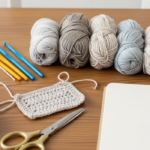
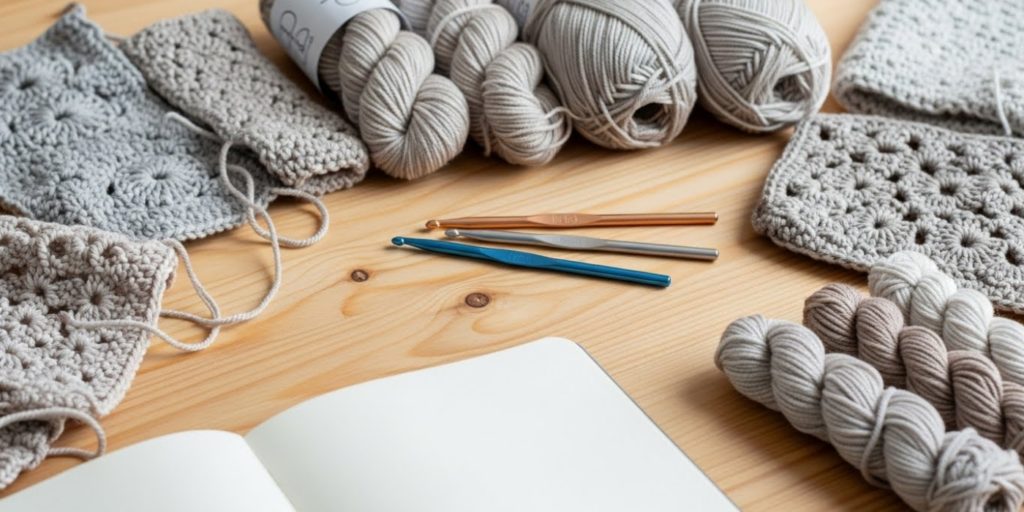
Before diving into your first skill-building project, gather the right tools. Having quality basics reduces frustration and helps you focus on technique rather than fighting poor equipment.
Essential Tools:
- Crochet hooks: Start with a set of ergonomic aluminum or bamboo hooks in sizes G/6 (4.0 mm), H/8 (5.0 mm), and I/9 (5.5 mm). These mid-range sizes work well with worsted-weight yarn—the most beginner-friendly option.
- Stitch markers: Use split-ring markers to track rounds or pattern repeats. They’re inexpensive and prevent costly counting errors.
- Tapestry needle: For weaving in ends neatly—a crucial finishing skill.
- Scissors: Sharp, small embroidery scissors give clean cuts without fraying yarn.
- Measuring tape: Essential for checking gauge and measuring progress.
Recommended Learning Resources:
- Free video tutorials: Channels like Bella Coco, Jayda In Stitches, and TL Yarn Crafts offer slow, clear demonstrations of foundational stitches.
- Printable cheat sheets: Downloadable PDFs showing stitch symbols and abbreviations help decode written patterns.
- Practice swatch journal: Keep a notebook to record hook sizes, yarn types, and tension notes for each project. This builds self-awareness and consistency.
Avoid overbuying. Many beginners purchase expensive kits only to realize they don’t yet understand terms like “worsted weight” or “gauge.” Start simple, master the basics, then expand your toolkit as your skills grow.
Yarn Types and Fiber Considerations
Choosing the right yarn is as important as selecting the right hook. For crochet projects that build real skills, prioritize clarity and ease of use over luxury.
Best Yarn for Beginners:
- Worsted-weight acrylic or cotton blend: Smooth, medium-thickness yarn shows stitch definition clearly and doesn’t split easily. Brands like Red Heart Super Saver, Lion Brand Basic Stitch, or WeCrochet’s Brava are affordable and widely available.
- Solid or semi-solid colors: Avoid variegated or fuzzy yarns initially—they obscure stitch structure, making it hard to see mistakes or count rows.
Fiber Considerations:
- Cotton: Excellent for dishcloths and washcloths because it’s absorbent and holds shape well. However, it has little stretch, so tension must be consistent.
- Acrylic: Forgiving, elastic, and budget-friendly. Ideal for scarves, blankets, and practice swatches.
- Wool blends: Warm and resilient, but can felt if washed improperly. Save these for intermediate projects once you understand care requirements.
From working with multiple crochet brands, I’ve seen beginners struggle most when using novelty yarns (bouclé, eyelash, or ribbon) too early. These fibers hide errors but also prevent you from seeing how your stitches interact—a critical part of skill development. Stick to smooth, matte yarns until you can confidently identify and correct mistakes in your work.
Skill Level Breakdown
Understanding where you fall on the skill spectrum helps you choose appropriate projects. Here’s a realistic breakdown:
Beginner (0–3 months)
- Can hold a hook and yarn comfortably
- Knows chain, single crochet (sc), and double crochet (dc)
- Struggles with consistent tension or reading patterns
- Ideal projects: Dishcloths, simple scarves, coasters
Intermediate (3–12 months)
- Understands gauge, increases/decreases, and working in the round
- Can follow written patterns with basic abbreviations
- Begins experimenting with color changes and simple textures
- Ideal projects: Beanies, baby blankets, market bags
Advanced (1+ years)
- Reads charts and complex patterns confidently
- Modifies patterns for fit or style
- Understands drape, blocking, and advanced construction
- Ideal projects: Garments, lace shawls, amigurumi with shaping
For true beginners, the goal isn’t to finish quickly—it’s to internalize movements so they become automatic. A 6″ x 6″ dishcloth done slowly with attention to stitch height and alignment builds more skill than a rushed afghan full of tension issues.
Step-by-Step Guide: Building Skills Through Intentional Projects
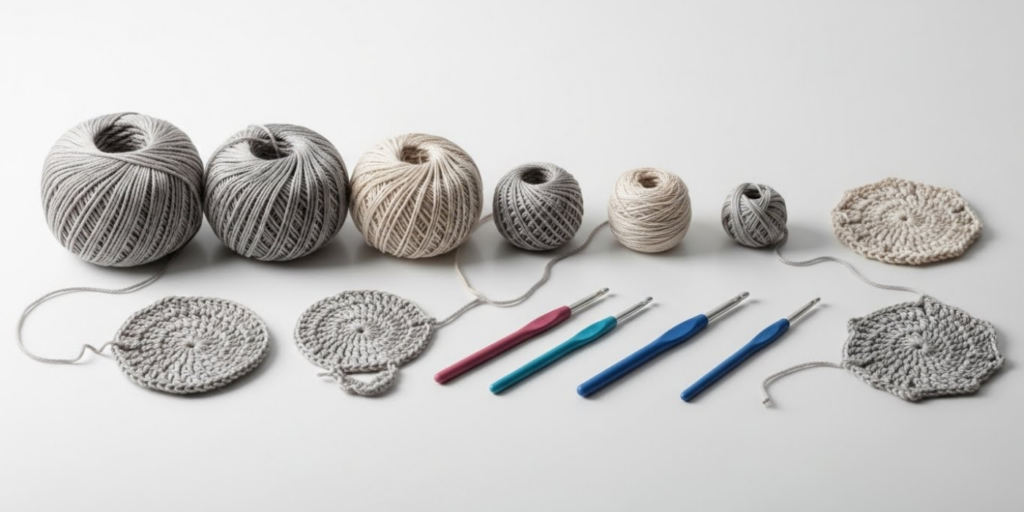
Below is a curated sequence of five foundational projects, each designed to teach specific, transferable skills. Complete them in order for maximum progression.
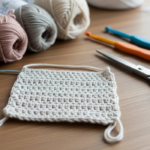
Project 1: The Practice Swatch (Skill Focus: Tension & Stitch Recognition)
Goal: Master consistent single crochet and learn to “read” your work.
- Materials: Worsted-weight cotton yarn, 5.0 mm hook.
- Instructions:
- Chain 20.
- Row 1: Sc in 2nd ch from hook, sc across (19 sts).
- Rows 2–20: Ch 1, turn, sc in each st.
- Skill Emphasis:
- Keep your hook perpendicular to the work.
- Notice how the “V” shape of each stitch forms.
- Count stitches every row to avoid accidental increases.
- Why It Works: This tiny swatch forces you to focus on hand positioning and rhythm without overwhelming complexity.
Project 2: Simple Dishcloth (Skill Focus: Edges & Turning Chains)
Goal: Create clean, straight edges and understand turning chains.
- Pattern: Same as swatch, but make it 30 sts wide and 30 rows tall.
- Key Tip: Always work the first sc of a new row into the same stitch as the turning chain. This prevents “stair-step” edges.
- Advanced Check: After finishing, measure width at top, middle, and bottom. If inconsistent, your tension varies—practice more swatches.
Project 3: Infinity Scarf in Double Crochet (Skill Focus: Drape & Speed)
Goal: Learn double crochet rhythm and understand how stitch height affects fabric.
- Materials: Worsted acrylic, 5.5 mm hook, ~300 yards yarn.
- Instructions:
- Chain 120 (or desired length).
- Row 1: Dc in 4th ch from hook, dc across.
- Repeat for 8 rows.
- Join ends with slip stitch to form loop.
- Skill Insight: Dc works up faster than sc, teaching efficiency. Notice how the fabric drapes differently—looser and more fluid.
Project 4: Basic Beanie (Skill Focus: Working in the Round & Decreases)
Goal: Transition from flat to circular work and learn shaping.
- Start with magic ring.
- Round 1: 8 sc in ring.
- Round 2: 2 sc in each st (16 sts).
- Round 3: Sc in next st, 2 sc in next repeat around (24 sts).
- Continue increasing evenly until crown fits head circumference.
- Body: Work even rounds until desired length.
- Crown Decrease: Sc next 6, sc2tog repeat to close.
- Critical Skill: Count stitches every round. Missing one increase throws off the entire shape.
Project 5: Textured Washcloth with Bobble Stitch (Skill Focus: Special Stitches & Pattern Reading)
Goal: Decode written instructions for non-basic stitches.
- Learn bobble stitch: (Yarn over, insert hook, pull up loop, yo, pull through 2) repeated 4x in same stitch, then yo and pull through all 5 loops.
- Pattern: Alternate rows of sc and bobble rows.
- Why It Matters: This teaches you to follow multi-step stitch definitions—a gateway to cables, popcorns, and clusters.
Each project builds directly on the last. By the end, you’ll have tangible items and a mental toolkit for tackling any beginner-to-intermediate pattern.
Common Mistakes and How to Avoid Them
Even with the best intentions, beginners make predictable errors. Recognizing them early saves hours of frogging (ripping out).
1. Inconsistent Tension
- Symptom: Fabric ripples or pulls unevenly.
- Fix: Practice holding yarn with consistent pressure. Wrap it around your pinky and index finger for control. Don’t grip the hook too tightly.
2. Adding or Losing Stitches
- Symptom: Edges slant or curl.
- Cause: Missing the first or last stitch of a row.
- Fix: Always place a stitch marker in the first and last stitch of every row until it becomes automatic.
3. Ignoring Gauge
- Mistake: Assuming “close enough” is fine.
- Reality: A ¼” difference per 4″ swatch becomes 3″ off on a sweater.
- Solution: Always make a 6″x6″ swatch, wash/block it, then measure. Adjust hook size if needed.
4. Skipping the Swatch
- Why It Happens: Impatience to start the “real” project.
- Consequence: Finished item is too big/small or uses more yarn than expected.
- Professional Habit: Experienced crocheters never skip swatching for wearable items.
5. Using the Wrong Hook Material
- Issue: Slippery metal hooks cause dropped stitches; rough wood snags yarn.
- Recommendation: Try ergonomic hooks with soft grips (like Clover Amour) for better control during long sessions.
Advanced Tips and Professional Insights
Once you’ve mastered the basics, elevate your work with these pro techniques:
- Blocking Every Project: Even acrylic benefits from light steam blocking. It evens stitches and gives a polished look—essential if selling items.
- Reading Ahead: Before starting a row, read the entire instruction. Many mistakes happen because crocheters react stitch-by-stitch instead of seeing the full sequence.
- Yarn Management: Wind skeins into center-pull balls to prevent tangles. Store unused yarn in ziplock bags to avoid dust and moths.
- Join-as-You-Go (JAYGO): For granny squares or motifs, learn JAYGO methods to reduce seaming—a huge time-saver for blankets.
- Document Your Process: Take photos at key stages. If you design your own patterns later, this visual record is invaluable.
From working with multiple crochet brands, I’ve learned that the most successful makers treat every project as both a product and a lesson. They ask: “What did this teach me about color interaction? Stitch density? Construction logic?” This reflective practice accelerates mastery.
Real-World or Hypothetical Examples
Consider Maria, a stay-at-home mom who started crocheting during lockdown. She began with a $3 dishcloth kit from Michaels. Instead of rushing, she made ten identical cloths, focusing each time on one element: edge neatness, stitch height, speed. Within two months, her tension was consistent. She moved to beanies, then market bags.
By month six, she launched a small Etsy shop selling “Beginner-Friendly Crochet Kits” with video support. Her secret? Every kit included a skill map: “This coaster teaches you X; next try our mug cozy to learn Y.” Customers loved the progression, and her shop grew organically through Pinterest and Instagram Reels showing “before/after” skill growth.
Similarly, a local yarn store in Portland saw a 40% increase in class sign-ups after rebranding their beginner course as “Skill-Building Crochet Journey”—with each session tied to a take-home project that demonstrated measurable improvement.
These examples prove that framing crochet as a skill-acquisition path—not just a hobby—creates deeper engagement and commercial viability.
Customization and Adaptation Ideas
Once you’ve completed the core projects, personalize them to reinforce learning:
- Color Play: Use striping to practice carrying yarn up the side (reduces ends to weave).
- Size Scaling: Make a dishcloth into a placemat by multiplying stitches—this teaches math-based pattern adaptation.
- Texture Mixing: Add a shell border to your scarf to combine basic and decorative stitches.
- Functional Tweaks: Turn your beanie into a slouchy hat by adding extra rounds before decreasing.
Customization isn’t just creative—it’s technical problem-solving. Deciding how to adjust a pattern for a child vs. adult size requires understanding stitch multiples and gauge, turning you from a pattern follower into a confident designer.
Care, Maintenance, or Best Practices
Proper care extends the life of your handmade items and reflects professionalism—critical if selling.
- Washing: Most acrylics are machine-washable on gentle cycle. Cotton should be washed cold to prevent shrinkage. Always check yarn labels.
- Drying: Lay flat to dry. Hanging stretches stitches permanently.
- Storage: Fold items with acid-free tissue paper. Avoid plastic bins (traps moisture); use breathable cotton bags.
- Weaving Ends: Never knot yarn tails. Weave in opposite directions for security, then trim close to fabric.
For businesses, include a care card with every sale. It shows expertise and reduces customer service issues (“Why did my blanket shrink?”).
Monetization Opportunities
While this guide focuses on skill-building, it’s worth noting that strong fundamentals open income streams:
- Digital Patterns: Once you understand construction, create and sell beginner-friendly PDFs on Etsy or Ravelry.
- Kits: Curate yarn + hook + printed pattern bundles targeting specific skills (e.g., “Learn Decreases Kit”).
- Workshops: Teach local classes or Zoom sessions focused on one project/skill combo.
- Content Creation: Share your learning journey on YouTube or TikTok—educational content attracts loyal followers who support your shop.
Importantly, monetization should follow mastery, not precede it. Rushing to sell before you can consistently produce quality work damages reputation. Build skills first; business follows naturally.
Frequently Asked Questions (FAQ)
1. What’s the easiest crochet project for absolute beginners?
A small dishcloth or coaster using only single crochet. It’s manageable in size, reinforces basic stitches, and provides immediate feedback on tension.
2. How long does it take to build real crochet skills?
With consistent practice (3–5 hours/week), most beginners gain solid foundational skills in 2–3 months. Mastery takes years, but functional competence comes quickly with intentional projects.
3. Do I need expensive yarn to learn properly?
No. In fact, affordable worsted-weight acrylic or cotton is ideal. Save luxury fibers for when you can fully appreciate their qualities and handle them correctly.
4. Why do my edges look messy?
Most beginners miss the first or last stitch of a row. Always place a stitch marker in those positions until it becomes automatic. Also, ensure your turning chain counts as a stitch (or doesn’t) based on the pattern.
5. Can I learn crochet solely from YouTube?
Yes—many successful crocheters are self-taught via video. However, supplement with written patterns to develop literacy in standard abbreviations and chart reading.
6. What’s the #1 mistake beginners make with skill-building projects?
Skipping foundational steps to jump into complex designs (like amigurumi or sweaters). This leads to frustration and gaps in knowledge. Trust the process: simple projects build the neural pathways for advanced work.
Conclusion
Embarking on crochet projects that build real skills is more than a learning strategy—it’s an investment in your creative future. By choosing intentional, progressive projects, you transform every stitch into a lesson, every finished piece into proof of growth. The dishcloth you make today lays the groundwork for the sweater you’ll design next year.
Remember: skill isn’t about speed or perfection. It’s about understanding why stitches behave as they do, how materials interact, and how to troubleshoot when things go off-track. These are the competencies that separate casual hobbyists from confident makers—and they’re entirely achievable with the right approach.
So pick up your hook, select a simple pattern from this guide, and commit to mindful practice. Celebrate small wins. Note your progress. And know that every expert crocheter once struggled with their first chain. Your journey starts now—one deliberate stitch at a time.
Emily Parker is a passionate crochet artist and creative storyteller. With years of experience turning simple yarn into beautiful, unique pieces, she loves sharing tips, tutorials, and inspiration with fellow crafters. Emily believes that crochet is more than a hobby it’s a way to express creativity, spread joy, and connect with people through handmade art.