Introduction
If you’ve ever admired a cozy blanket, a delicate lace shawl, or a whimsical amigurumi toy and wondered how it was made, you’re not alone. Crochet is more than just a craft—it’s a gateway to creativity, mindfulness, and even entrepreneurship. But before you pick up your first hook and skein of yarn, there’s essential groundwork to lay. Understanding everything you need to know before you learn crochet isn’t about overwhelming yourself with technical jargon; it’s about setting yourself up for success from day one.
Many beginners dive in without knowing the difference between worsted weight and fingering yarn, or why hook size matters beyond “bigger = looser.” Others start with overly complex patterns, get frustrated, and abandon the craft altogether. This guide exists to prevent that. Drawing from years of hands-on experience—teaching workshops, collaborating with indie yarn dyers, consulting for handmade brands, and designing patterns sold worldwide—I’ll walk you through every foundational element you need. Whether you dream of making gifts for loved ones, launching an Etsy shop, or simply unwinding after work, this article gives you the clarity, confidence, and practical roadmap to thrive in the world of crochet.
What This Topic Means for Crochet & Knitting Businesses
For entrepreneurs and small business owners in the handmade space, understanding the beginner’s journey isn’t just helpful—it’s strategic. When you grasp everything you need to know before you learn crochet, you can design products, content, and customer experiences that genuinely support new crafters.
In many crochet businesses, the biggest drop-off happens within the first two weeks of a customer’s learning curve. Why? Because they bought a “beginner kit” that included a size H hook, bulky yarn, and a pattern for a textured granny square—but no guidance on how to hold the yarn, read abbreviations, or fix a dropped stitch. The result? Frustration, unused supplies, and negative reviews.
Experienced designers often recommend bundling education with product sales. For example, a well-structured beginner bundle might include:
- A printed quick-start guide (not just a QR code to a YouTube video)
- Two contrasting yarn colors to help visualize stitch structure
- A hook with ergonomic grip to reduce hand fatigue
- Access to a private community or troubleshooting email support
From working with multiple crochet brands, I’ve seen that businesses that invest in onboarding education see 3–5x higher repeat purchase rates. Why? Because when customers succeed early, they gain confidence—and confidence fuels continued engagement. They don’t just buy another skein; they buy stitch markers, project bags, advanced patterns, and eventually, premium tools.
This isn’t just about selling more—it’s about building a loyal, empowered community. And that starts with ensuring newcomers know everything you need to know before you learn crochet.
Why This Strategy Works Especially Well in the Crochet Community
The crochet community thrives on generosity, patience, and shared knowledge. Unlike some crafts that gatekeep techniques or materials, crochet has a long tradition of mentorship—whether through local guilds, online forums, or intergenerational teaching. This cultural openness makes it uniquely receptive to structured, empathetic onboarding.
Moreover, crochet is inherently modular. You can learn one stitch (like the chain or single crochet) and immediately create something functional—a dishcloth, a headband, a simple pouch. This rapid feedback loop builds momentum. When beginners understand everything you need to know before you learn crochet, they avoid common pitfalls that break that momentum: tangled yarn, inconsistent tension, misreading patterns.
Social media has amplified this effect. Platforms like Instagram and TikTok showcase stunning projects, but they rarely show the struggle behind them. A beginner seeing a flawless mandala might feel intimidated—until they discover a creator who shares their first wobbly coaster alongside tips for improvement. Transparency builds trust.
That’s why this strategy works: by demystifying the entry point, we honor the craft’s inclusive spirit while raising the baseline skill level of new practitioners. The result? A stronger, more vibrant ecosystem where makers grow, share, and innovate together.
Materials, Tools, or Resources Needed
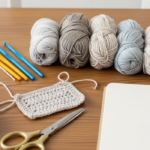
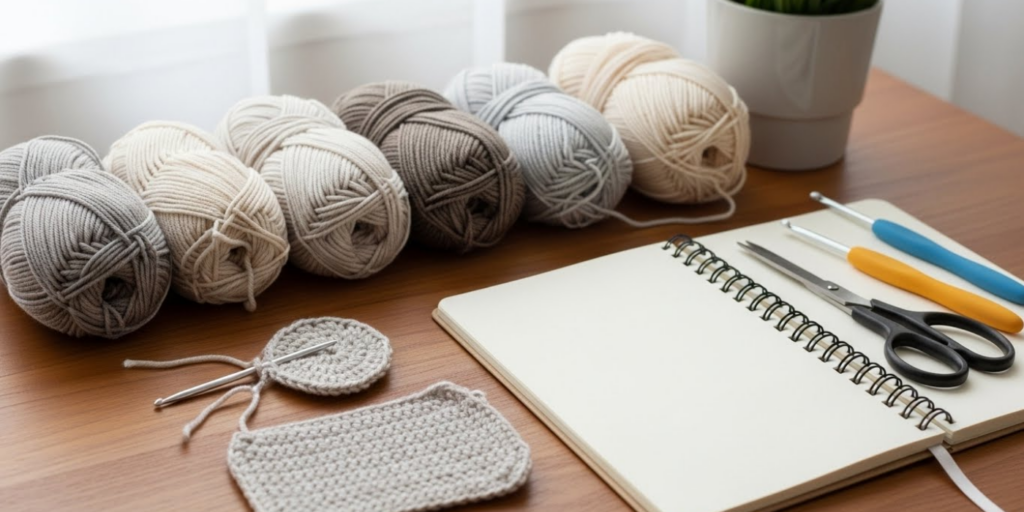
Before you make your first stitch, gather these essentials. You don’t need everything at once, but starting with the right foundation prevents wasted money and frustration.
Core Tools
- Crochet Hook: Start with a size H/5mm (US) aluminum or ergonomic hook. Aluminum offers smooth glide; ergonomic reduces hand strain. Avoid tiny steel hooks (for lace) or jumbo hooks (for rug yarn) as a beginner.
- Yarn: Choose a light-colored, medium-weight (worsted/Aran, #4) acrylic or cotton blend. Dark colors hide stitch definition; slippery fibers like silk or bamboo are harder to control.
- Scissors: Small, sharp fabric scissors—not kitchen shears.
- Tapestry Needle: For weaving in ends. Blunt tip prevents splitting yarn.
- Stitch Markers: Plastic ring markers (not safety pins) to mark rounds or pattern repeats.
Optional but Helpful
- Measuring Tape: For checking gauge and sizing.
- Row Counter: Mechanical or app-based to track rows.
- Notebook: To jot down modifications, yarn lot numbers, or questions.
Digital Resources
- Free Patterns: Ravelry (filter for “beginner”), Yarnspirations, or Moogly.
- Video Tutorials: Look for creators who show both right- and left-handed techniques (e.g., Bella Coco, Jayda In Stitches).
- Glossary: Bookmark a reliable stitch abbreviation guide (e.g., Craft Yarn Council).
Avoid “beginner kits” that include novelty yarns (eyelash, bouclé) or mismatched hooks—they look fun but hinder learning. Invest in quality basics instead.
Yarn Types and Fiber Considerations
Not all yarn is created equal—and choosing the wrong type can sabotage your early progress. Here’s what to consider:
Weight Categories (Standardized by Craft Yarn Council)
- Lace (#0): Too fine for beginners; hard to see stitches.
- Fingering/Sock (#1): Requires small hooks; slow progress.
- Sport (#2) / DK (#3): Manageable but still small.
- Worsted/Aran (#4): Ideal for beginners. Stitches are clear, projects work up quickly, and mistakes are easy to spot.
- Bulky (#5) / Super Bulky (#6): Good for quick blankets but can obscure stitch definition if too fluffy.
Fiber Content
- Acrylic: Affordable, durable, machine-washable. Great for practice. Look for “anti-pilling” versions.
- Cotton: Less stretchy, shows stitch definition well. Ideal for dishcloths or summer garments. Can be heavy.
- Wool: Elastic and forgiving, but may felt if washed incorrectly. Some find it itchy.
- Blends: Cotton-acrylic offers the best of both worlds—softness, drape, and ease of care.
What to Avoid Early On
- Variegated/Multi-color Yarns: Hide stitch errors and make it hard to count rows.
- Textured Yarns (bouclé, chenille): Obscure stitch structure.
- Very Dark or Black Yarn: Nearly impossible to see individual stitches.
Pro Tip: Buy at least two skeins of the same dye lot. Dye lots vary slightly—even within the same color name—and running out mid-project is heartbreaking.
Skill Level Breakdown (Beginner / Intermediate / Advanced)
Understanding where you stand helps set realistic expectations.
Beginner (0–3 months)
- Skills: Chain, single crochet (sc), slip stitch (sl st), turning chains.
- Projects: Dishcloths, simple scarves, basic beanies.
- Mindset: Focus on consistency, not speed. Tension will even out with practice.
Intermediate (3–12 months)
- Skills: Double crochet (dc), half-double (hdc), increases/decreases, reading written patterns, basic shaping.
- Projects: Sweaters, amigurumi, lace shawls (with simple repeats).
- Mindset: Experiment with colorwork, texture stitches, and garment construction.
Advanced (1+ years)
- Skills: Tunisian crochet, filet crochet, intricate colorwork (tapestry, intarsia), garment grading, designing original patterns.
- Projects: Custom-fit wearables, complex home décor, market-ready items.
- Mindset: Refine technique, develop personal style, possibly teach or sell.
Remember: Skill isn’t linear. You might breeze through stitches but struggle with reading charts—or vice versa. That’s normal.
Step-by-Step Guide: Your First Crochet Project
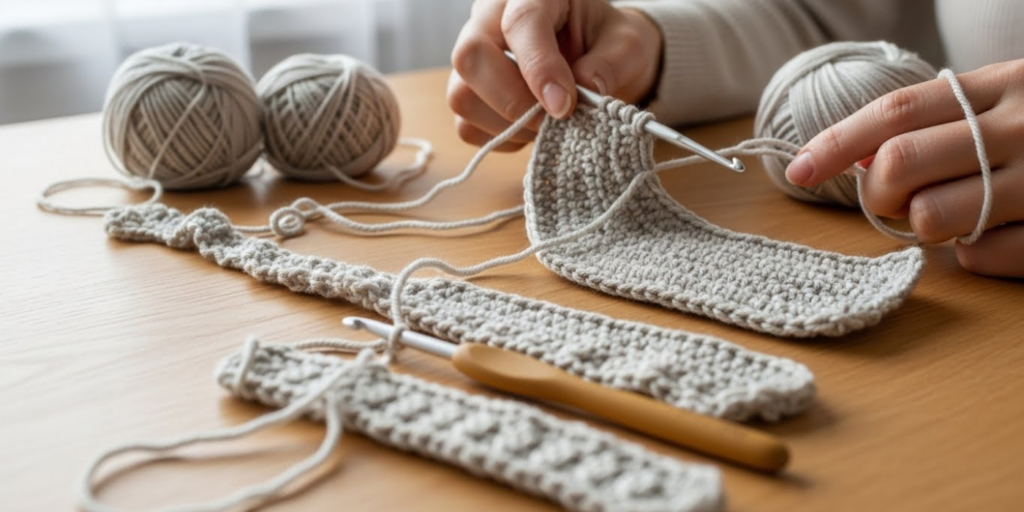
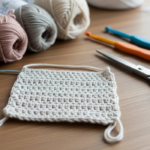
Let’s walk through making a simple dishcloth—functional, fast, and perfect for practicing fundamentals.
Materials
- Worsted weight cotton yarn (approx. 100g)
- Size H/5mm crochet hook
- Scissors, tapestry needle
Steps
1. Make a Slip Knot
- Create a loop with the yarn tail (leave a 6-inch tail).
- Insert hook through loop, pull working yarn to tighten gently on hook.
2. Chain Stitch (ch)
- Yarn over (yo): Wrap yarn over hook from back to front.
- Pull through loop on hook. That’s one chain.
- Repeat until you have 25 chains. Count carefully—don’t include slip knot.
3. Foundation Row
- Skip first chain (counts as turning chain for sc).
- Insert hook into second chain from hook.
- Yo, pull up a loop (2 loops on hook).
- Yo, pull through both loops. That’s one single crochet (sc).
- Continue across row: sc in each chain. You should have 24 sc.
4. Turn Your Work
- Chain 1 (turning chain).
- Turn piece clockwise so wrong side faces you.
5. Subsequent Rows
- Sc in first stitch (the one after turning chain).
- Continue sc across row.
- At end, ch 1, turn.
- Repeat until piece is square (approx. 24 rows).
6. Fasten Off
- Cut yarn, leaving 6-inch tail.
- Yo and pull tail through loop on hook. Tighten.
7. Weave in Ends
- Thread tail onto tapestry needle.
- Weave horizontally through back loops of stitches for 2–3 inches. Trim excess.
Key Tips
- Keep yarn tension relaxed—don’t grip too tightly.
- Hold hook like a pencil or knife, whichever feels natural.
- If edges curl, your tension is too tight; loosen grip on yarn.
This dishcloth teaches rhythm, stitch recognition, and turning—core skills for every future project.
Common Mistakes and How to Avoid Them
Even seasoned crocheters started with these errors. Recognizing them early saves hours of frogging (ripping out).
1. Inconsistent Tension
Symptom: Fabric ripples or puckers; stitches too tight/loose.
Fix: Practice with a consistent yarn/hook combo. Relax your non-hook hand—yarn should flow freely, not be pulled taut.
2. Adding or Losing Stitches
Symptom: Edges slant or width changes unexpectedly.
Fix: Count stitches every few rows. Use stitch markers at beginning/end of rows. Remember: turning chains often count as first stitch (check pattern notes!).
3. Misreading Abbreviations
Symptom: Pattern looks nothing like photo.
Fix: Always check the pattern’s abbreviation key. “DC” means double crochet in US terms—but treble in UK! Confirm terminology upfront.
4. Ignoring Gauge
Symptom: Finished item is too big/small.
Fix: Swatch before starting garments. Measure 4×4 inch square; adjust hook size if needed.
5. Using Wrong Hook for Yarn
Symptom: Fabric too stiff or holey.
Fix: Match hook to yarn label recommendation. When in doubt, go one size larger for drape, smaller for structure.
6. Not Securing Yarn Tails
Symptom: Projects unravel after washing.
Fix: Weave ends in opposite directions for 2+ inches. Never just tie knots.
Advanced Tips and Professional Insights
Once basics feel comfortable, elevate your craft with these pro strategies.
Hook Ergonomics Matter
From working with multiple crochet brands, I’ve found that ergonomic hooks (like Clover Amour or Furls Streamline) reduce wrist strain during long sessions—critical if you plan to sell items or teach.
Master the Magic Ring
Instead of chaining and joining for circles (which leaves a hole), learn the magic ring. It’s adjustable, seamless, and essential for amigurumi or motifs.
Understand Yarn Substitution
Patterns suggest specific yarns, but you can substitute if you match:
- Weight (use YarnSub.com)
- Yardage per skein
- Fiber behavior (e.g., cotton doesn’t stretch like wool)
Keep a Project Journal
Note hook size, yarn lot, modifications, and time spent. This data is invaluable for reproducing successes or troubleshooting failures—especially if you sell custom work.
Block Your Finished Items
Wet-blocking (soaking and pinning to shape) evens stitches and gives professional finish. Essential for garments and lace.
Real-World or Hypothetical Examples
Consider Maria, a stay-at-home mom who wanted to start a side hustle. She began by learning everything you need to know before you learn crochet through free library books and YouTube. Her first project? A simple cotton market bag.
She practiced tension until her stitches were even, then listed it on Etsy with clear photos and a story (“Made while my toddler napped!”). Within three months, she had 50 sales—not because her bag was revolutionary, but because it was well-made, functional, and backed by genuine care.
Contrast this with James, who jumped straight into a complex sweater pattern without swatching. His finished piece was three sizes too small, and he abandoned crochet in frustration. Had he known to check gauge and choose appropriate yarn, the outcome could’ve differed.
These stories underscore a truth in the handmade economy: technical skill matters, but foundational knowledge matters more.
Customization and Adaptation Ideas
Crochet is infinitely adaptable. Once you grasp basics, personalize projects:
- Color: Swap solid for self-striping yarn for automatic patterning.
- Size: Adjust chain count to make coasters, placemats, or throws.
- Texture: Add bobbles, popcorn stitches, or post stitches for dimension.
- Function: Turn a scarf into an infinity loop; add pockets to a blanket.
For gifts, incorporate recipient’s favorite colors or motifs (e.g., hearts for Valentine’s, snowflakes for winter). Customization builds emotional value—key for selling or gifting.
Care, Maintenance, or Best Practices
Extend your projects’ life with proper care:
- Washing: Hand-wash wool; machine-wash acrylic/cotton on gentle cycle in mesh bag.
- Drying: Lay flat to dry—never hang, as gravity stretches stitches.
- Storage: Fold, don’t hang, sweaters. Use cedar blocks to deter moths (for natural fibers).
- Tool Care: Wipe hooks with dry cloth; store in case to prevent bending.
Also, care for yourself: take breaks every 30 minutes to stretch hands and wrists. Repetitive strain is real.
Monetization Opportunities
While this guide focuses on learning, it’s worth noting ethical paths to monetization—once skills are solid.
- Etsy Shop: Start with small, quick-turnaround items (headbands, scrunchies).
- Pattern Design: Sell tested, well-written PDFs on Ravelry or Payhip.
- Teaching: Offer local workshops or Zoom classes for beginners.
- Content Creation: Share tutorials on YouTube or blogs (with AdSense, once traffic grows).
Crucially: never sell untested patterns or poorly finished items. Reputation is everything in handmade markets.
Frequently Asked Questions (FAQ)
1. What’s the easiest thing to crochet for a total beginner?
A dishcloth or simple rectangle scarf using only single crochet. These build muscle memory without complex shaping.
2. How long does it take to learn crochet?
Most beginners feel confident after 5–10 hours of practice. Mastery takes years—but you can make usable items within days.
3. Is crochet easier than knitting?
It depends on the person. Crochet uses one hook (vs. two needles), making it easier to manage for some. Others prefer knitting’s fluid motion. Try both!
4. Why does my crochet curl up at the edges?
Tight tension or incorrect hook size. Try loosening your grip or using a larger hook. Blocking can also help.
5. Do I need to buy expensive yarn to start?
No. Budget-friendly acrylics like Red Heart Super Saver or Lion Brand Basic Stitch are perfect for practice. Save luxury fibers for special projects.
6. Can left-handed people learn crochet easily?
Absolutely. Many tutorials offer left-handed versions. The mechanics are mirrored, but the principles are identical.
Conclusion
Learning crochet is less about innate talent and more about informed preparation. By understanding everything you need to know before you learn crochet—from yarn selection and tool basics to tension control and community resources—you transform from overwhelmed novice to confident creator.
This craft rewards patience, curiosity, and practice. Your first stitches won’t be perfect, and that’s okay. Every expert was once where you are now, fumbling with a slip knot and wondering if they’d ever “get it.”
So gather your hook, choose a forgiving yarn, and give yourself grace. With each row, you’re not just making fabric—you’re building a skill that can comfort, connect, and even sustain you. The journey begins with a single chain. Make it today.

Emily Parker is a passionate crochet artist and creative storyteller. With years of experience turning simple yarn into beautiful, unique pieces, she loves sharing tips, tutorials, and inspiration with fellow crafters. Emily believes that crochet is more than a hobby it’s a way to express creativity, spread joy, and connect with people through handmade art.